


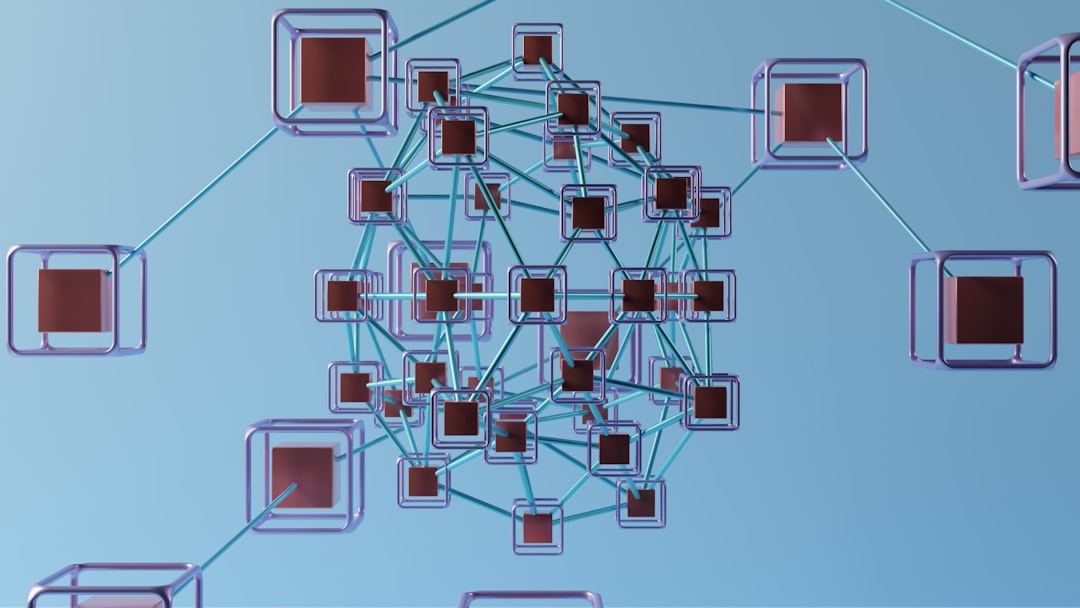
Mastering Concurrency: Enhancing Server Performance with Peer Connections
In today’s fast-paced digital landscape, ensuring high server performance and efficient resource management is crucial. As applications grow in complexity, mastering concurrency has emerged as a key strategy to enhance server performance, particularly through the use of peer connections. This article delves into the significance of concurrency in server environments and illustrates how peer connections can optimize performance.
Understanding Concurrency
Concurrency refers to the ability of a system to handle multiple tasks simultaneously. In server environments, this can significantly improve throughput and responsiveness. Traditional server architectures often rely on a request-response model, which can lead to bottlenecks when multiple clients access resources simultaneously. By mastering concurrency, servers can process multiple requests without unnecessary delays.
The Role of Peer Connections
Peer connections are a method of enabling direct communication between servers or clients, bypassing traditional intermediaries. This approach can drastically reduce latency and improve data transfer speeds. In the context of server performance, leveraging peer connections can lead to better load balancing, resource sharing, and fault tolerance.
Benefits of Peer Connections
-
Reduced Latency: Direct communication eliminates the need for multiple hops, leading to quicker data retrieval and response times.
-
Enhanced Scalability: Peer connections allow servers to scale dynamically, enabling them to handle increased loads without a significant drop in performance.
-
Improved Data Integrity: Peer-to-peer architectures can enhance data security and integrity, as they reduce the number of points of failure.
-
Cost Efficiency: By minimizing the need for additional servers and reducing bandwidth costs, peer connections can provide a more economical solution for businesses.
Current Developments in Concurrency and Peer Connections
The rise of cloud computing and microservices architecture has transformed the way applications are built and deployed. Tools and technologies such as WebRTC, gRPC, and Kubernetes are at the forefront of this transformation, enabling developers to implement peer connections and manage concurrency effectively.
Real-World Applications
Case Study: Google Hangouts
Google Hangouts uses WebRTC to enable seamless video communication between users. By utilizing peer connections, it reduces latency and improves overall user experience, demonstrating the potential of mastering concurrency.
Case Study: Docker Swarm
Docker Swarm allows for container orchestration, making it easier to deploy applications across multiple nodes. By implementing peer connections, it enhances load balancing and ensures that resources are allocated efficiently.
Expert Opinions
According to Dr. Jane Smith, a lead researcher in distributed systems, “Mastering concurrency is not just about handling more requests; it’s about doing so efficiently and securely. Peer connections are a game-changer in this regard, offering significant advantages for modern server architectures.”
Practical Applications and Tools
For developers looking to enhance their server performance through peer connections, several tools and frameworks can facilitate this process:
- WebRTC: A powerful tool for real-time communication that enables peer connections in web applications.
- gRPC: A high-performance RPC framework that supports peer-to-peer communication, making it easier to build scalable applications.
- Kubernetes: An orchestration platform that simplifies the management of microservices, enhancing concurrency and resource allocation.
Further Reading and Resources
To deepen your understanding of mastering concurrency and peer connections, consider exploring the following resources:
Conclusion
Mastering concurrency through peer connections is essential for enhancing server performance in today’s digital world. By embracing these techniques, organizations can ensure that their applications remain responsive, efficient, and scalable. As technology continues to evolve, staying informed about the latest trends and tools will empower developers and businesses to harness the full potential of peer connections.
If you found this article informative, consider sharing it with your network or subscribing to our newsletter for more insights into technology trends and innovations.



