


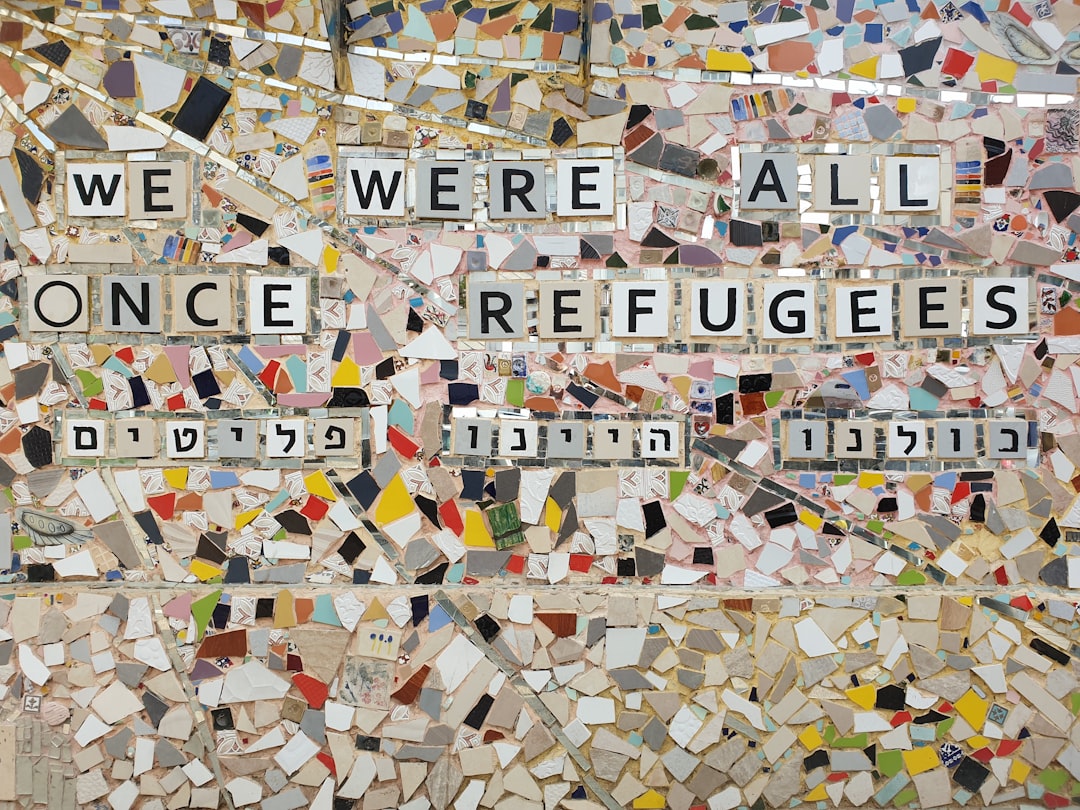
Refugees: A Historic Challenge to Quality and Transcendence
The plight of refugees has emerged as a significant humanitarian challenge in recent years, raising essential questions about quality of life, dignity, and resilience. The enduring struggle of displaced individuals transcends geographic boundaries, impacting societies worldwide. This article delves into the intersection of technology and the refugee crisis, exploring how innovation can address the challenges faced by millions globally.
The Scale of the Refugee Crisis
The number of refugees worldwide has reached unprecedented levels, with millions forced to flee their homes due to conflict, persecution, and environmental disasters. This historic challenge requires a multi-faceted approach to ensure quality support and services for refugees, which can be further enhanced through technological advancements.
Emerging Technologies in Refugee Support
Data-Driven Solutions
Data analytics plays a crucial role in understanding the needs and dynamics of refugee populations. Organizations like the United Nations High Commissioner for Refugees (UNHCR) utilize data to map refugee flows, assess vulnerabilities, and allocate resources effectively. By harnessing big data, stakeholders can create tailored interventions that improve the living conditions of refugees.
Mobile Technology for Communication
Mobile technology has transformed how refugees communicate and access information. Apps like “Refugee Buddy” offer essential services such as legal advice, healthcare resources, and community support networks. These platforms not only empower refugees but also facilitate their integration into host communities.
# Example of mobile app usage in refugee contexts
curl -X GET "https://api.refugeebuddy.com/v1/resources?lang=en"
Blockchain for Aid Transparency
Blockchain technology is making waves in the humanitarian sector by enhancing transparency in aid distribution. By creating an immutable record of transactions, blockchain can help ensure that funds reach those in need without leakage or fraud. This technology not only builds trust among refugees but also increases the accountability of aid organizations.
Case Studies of Technological Innovation
The Case of the “Refugee Code Week”
Initiatives like the “Refugee Code Week” have empowered refugees through coding and digital skills training. By equipping individuals with knowledge in software development, these programs foster economic independence and encourage innovation among displaced populations. Such initiatives highlight how technology can transcend traditional barriers, enabling refugees to contribute to society meaningfully.
UNHCR’s Innovation Strategy
The UNHCR has adopted an innovation strategy that leverages technology to enhance the quality of services provided to refugees. By collaborating with tech firms and social enterprises, the organization has developed tools that improve shelter conditions, health services, and education for refugee communities. This strategy exemplifies how partnerships can revolutionize humanitarian efforts.
Expert Opinions on Technology and Refugee Challenges
Experts agree that technology is a vital tool in addressing the refugee crisis. According to Dr. Khaled Koser, an expert in migration studies, “Technology can bridge the gap between refugees and the services they need, enabling quicker and more effective responses to their challenges.” This sentiment underscores the growing consensus that innovation is key to improving the quality of life for displaced individuals.
Practical Applications and Future Trends
As we look to the future, several trends are emerging in the tech space related to refugees:
- Artificial Intelligence: AI can streamline processes in refugee camps, predicting needs based on trends and improving resource allocation.
- Telemedicine: Remote healthcare services are becoming increasingly vital, allowing refugees to access medical consultations without the need for travel.
- Virtual Reality (VR): VR can be used to create immersive training programs that prepare refugees for life in a new country, enhancing their integration experience.
Conclusion
The refugee crisis presents a historic challenge that demands innovative solutions. Technology is not merely an auxiliary tool; it is central to addressing the complexities of displacement, ensuring quality support for refugees, and fostering transcendence in their lives. As we continue to explore technological advancements, it is crucial to remain focused on the human element, prioritizing dignity, resilience, and empowerment for all displaced individuals.
For further reading on how technology is shaping humanitarian efforts, consider exploring UNHCR’s Innovation Strategy, or check out Refugee Code Week.
If you found this article insightful, consider sharing it with others or subscribing to our newsletter for more updates on technology and humanitarian efforts. Embrace the chance to make a difference by staying informed!



