


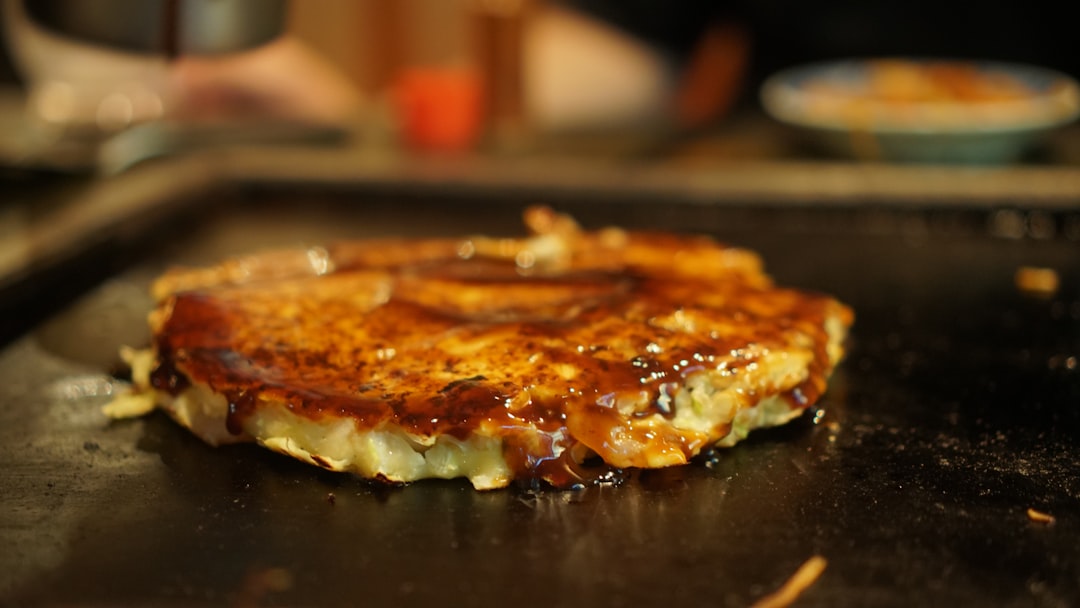
Delicious Okonomiyaki Recipes Featuring Karela and Okra
If you’re looking to elevate your culinary adventures, why not try a unique twist on the classic Japanese dish, Okonomiyaki? This savory pancake is often filled with various ingredients and topped with a rich sauce, but today, we’re focusing on a delightful blend of karela (bitter gourd) and okra. The combination of these two vegetables not only adds an exciting texture but also a nutritious element to your meal. Let’s dive into this mouthwatering recipe!
Ingredients
- 1 cup all-purpose flour
- 1/2 cup water or dashi stock
- 1 large egg
- 1 cup finely shredded cabbage
- 1/2 cup karela, thinly sliced
- 1/2 cup okra, chopped
- 1/4 cup green onions, chopped
- 1 tablespoon soy sauce
- 1 tablespoon sesame oil
- Salt and pepper to taste
- Okonomiyaki sauce (for drizzling)
- Japanese mayonnaise (for drizzling)
- Katsuobushi (bonito flakes) for garnish
- Aonori (seaweed flakes) for garnish
Cooking Instructions
-
Prepare the Batter: In a large mixing bowl, combine the all-purpose flour, water (or dashi stock), and egg. Whisk until smooth. The batter should be thick but pourable.
-
Add Vegetables: Fold in the shredded cabbage, karela, okra, green onions, soy sauce, sesame oil, salt, and pepper. Mix until all ingredients are well combined. The bitterness of karela will balance beautifully with the okra’s mild taste.
-
Heat the Pan: Heat a non-stick skillet or griddle over medium heat. Lightly grease the pan with oil to prevent sticking.
-
Cook the Okonomiyaki: Pour a portion of the batter onto the skillet, forming a round pancake about 1 inch thick. Cook for about 4-5 minutes, or until the bottom is golden brown.
-
Flip and Cook: Carefully flip the pancake using a spatula. Cook for another 4-5 minutes on the other side until it’s cooked through and golden brown.
-
Serve: Transfer the okonomiyaki to a serving plate. Drizzle with okonomiyaki sauce and Japanese mayonnaise. Sprinkle with katsuobushi and aonori for added flavor and presentation.
Cooking Tips
-
Selecting Karela: Look for karela that is firm and bright green. Avoid overly large or yellowing ones as they tend to be overly bitter.
-
Okra Preparation: Wash and trim the okra, cutting it into 1/2 inch pieces. You can roast or sauté the okra prior to adding it to the batter for additional flavor.
-
Customize to Taste: Feel free to add other ingredients like shrimp, pork, or even cheese to cater to your palate.
-
Serving Suggestions: Pair your okonomiyaki with a side of pickled vegetables or a fresh salad to balance the richness of the dish.
-
Gluten-Free Version: Substitute all-purpose flour with a gluten-free flour blend. Ensure that the soy sauce is gluten-free as well.
Flavor and Texture Profile
The unique combination of karela and okra brings both crunch and tenderness to your okonomiyaki. The slight bitterness of karela is beautifully offset by the soft, slightly slimy texture of okra, creating a delightful experience in every bite. Topped with savory sauces and garnishes, this dish is not only a visual treat but also an explosion of flavors.
Food Photography Ideas
For stunning food photography, plate your okonomiyaki on a vibrant dish. Use natural light to capture the glossy finish of the sauces drizzled on top. Consider adding fresh herbs or a colorful salad on the side for contrast.
Further Reading and Resources
To expand your culinary repertoire, you might want to explore:
- Japanese Cooking: A Simple Art – A foundational book on Japanese cuisine.
- Okonomiyaki: The World’s Best Savory Pancake – An in-depth guide to the traditional okonomiyaki.
Don’t hesitate to try this delicious okonomiyaki recipe featuring karela and okra. The unique blend of flavors will surely impress you and your guests. Happy cooking and enjoy your culinary journey!