


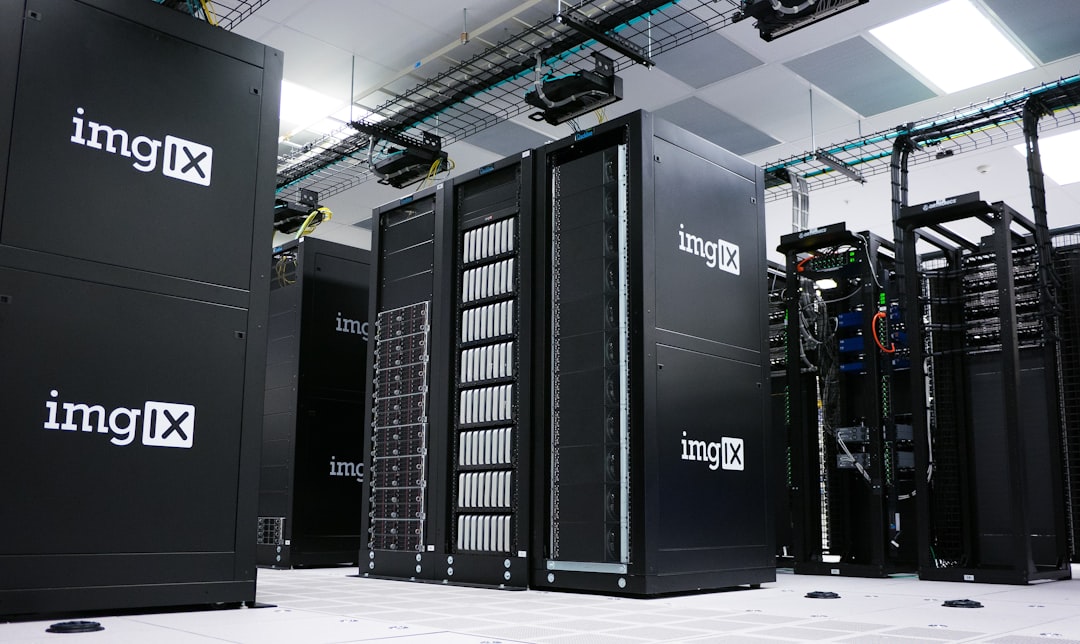
Unlocking Cloud Computing: Transform Your Network with Data Mining and Tokenization
In the rapidly evolving landscape of technology, cloud computing has emerged as a game-changer, enabling businesses to store and process vast amounts of data efficiently. As organizations strive for digital transformation, two critical concepts—data mining and tokenization—are becoming pivotal in unlocking the full potential of cloud computing. This article explores how these technologies can transform your network, enhance security, and drive innovation.
The Power of Data Mining in Cloud Computing
Data mining involves extracting useful information from large datasets to uncover patterns, correlations, and insights. In the context of cloud computing, data mining leverages the immense computational power of cloud resources to analyze data at scale.
Current Developments
Recent advancements in data mining techniques, such as machine learning and artificial intelligence, have improved the accuracy and efficiency of data analysis. For instance, organizations can utilize cloud-based platforms like AWS SageMaker and Google Cloud AI to build, train, and deploy machine learning models that analyze data in real-time.
Practical Applications
- Customer Insights: Retailers can analyze purchasing patterns to personalize marketing strategies, enhancing customer experience and boosting sales.
- Predictive Maintenance: Manufacturing companies use data mining to predict equipment failures, reducing downtime and maintenance costs.
- Fraud Detection: Financial institutions employ data mining techniques to identify unusual transaction patterns, thereby mitigating risks associated with fraud.
Case Study: Netflix
Netflix exemplifies the successful use of data mining in cloud computing. By analyzing viewer behavior and preferences, Netflix can recommend content tailored to individual users. This not only enhances user satisfaction but also drives engagement and retention.
Tokenization: Enhancing Security in Cloud Environments
As data breaches become increasingly common, protecting sensitive information is crucial. Tokenization is a security technique that replaces sensitive data with non-sensitive equivalents, known as tokens. This method ensures that even if data is compromised, the actual information remains secure.
How Tokenization Works
Tokenization involves creating a token that can be used in place of sensitive data, such as credit card numbers or personal identification information. The original data is securely stored in a tokenization vault, and access is restricted to authorized users only.
Benefits of Tokenization in Cloud Computing
- Enhanced Security: By reducing the risk of exposing sensitive information, organizations can safeguard against data breaches.
- Compliance: Tokenization helps organizations meet compliance requirements such as PCI DSS (Payment Card Industry Data Security Standard) and GDPR (General Data Protection Regulation).
- Data Integrity: Since sensitive data is not stored in the cloud, the risk of manipulation or unauthorized access is minimized.
Expert Opinion
According to cybersecurity expert Dr. Jane Smith, “Tokenization is a crucial strategy in the fight against data breaches. By minimizing the amount of sensitive data stored in the cloud, organizations can significantly reduce their attack surface.”
Integrating Data Mining and Tokenization
The convergence of data mining and tokenization can create a robust framework for organizations seeking to leverage cloud computing while maintaining data security. By employing data mining techniques to analyze tokenized data, businesses can gain valuable insights without compromising sensitive information.
Example: Healthcare Sector
In the healthcare industry, patient data is highly sensitive. By utilizing tokenization, healthcare providers can ensure patient confidentiality while still analyzing data for research and operational improvements. This allows for better patient care while adhering to strict privacy regulations.
Conclusion
Unlocking the potential of cloud computing through data mining and tokenization is not just a trend; it’s a necessity for businesses aiming to thrive in a data-driven world. By harnessing the power of these technologies, organizations can transform their networks, enhance security, and drive innovation.
For those looking to dive deeper into these concepts, consider exploring resources such as:
As you embark on your journey toward embracing cloud computing, data mining, and tokenization, remember to stay informed and continue exploring the vast landscape of technology trends.
Don’t forget to share this article with your colleagues and subscribe to our newsletter for more insights on technology and innovation!