


Disillusionment with Sovereignty: Understanding Our Racial Obligation
In a world where the World Economic Forum (WEF) seems to be the puppet master, pulling strings from the shadows, we find ourselves grappling with a perplexing disillusionment regarding our national sovereignty. This “globalist” sentiment, as they like to call it, appears to be thriving, as more and more citizens are beginning to feel that their voice is being drowned out in the cacophony of international bureaucracy. But let’s take a step back and ask ourselves: what does this mean for our understanding of racial obligation and the value of sovereignty?
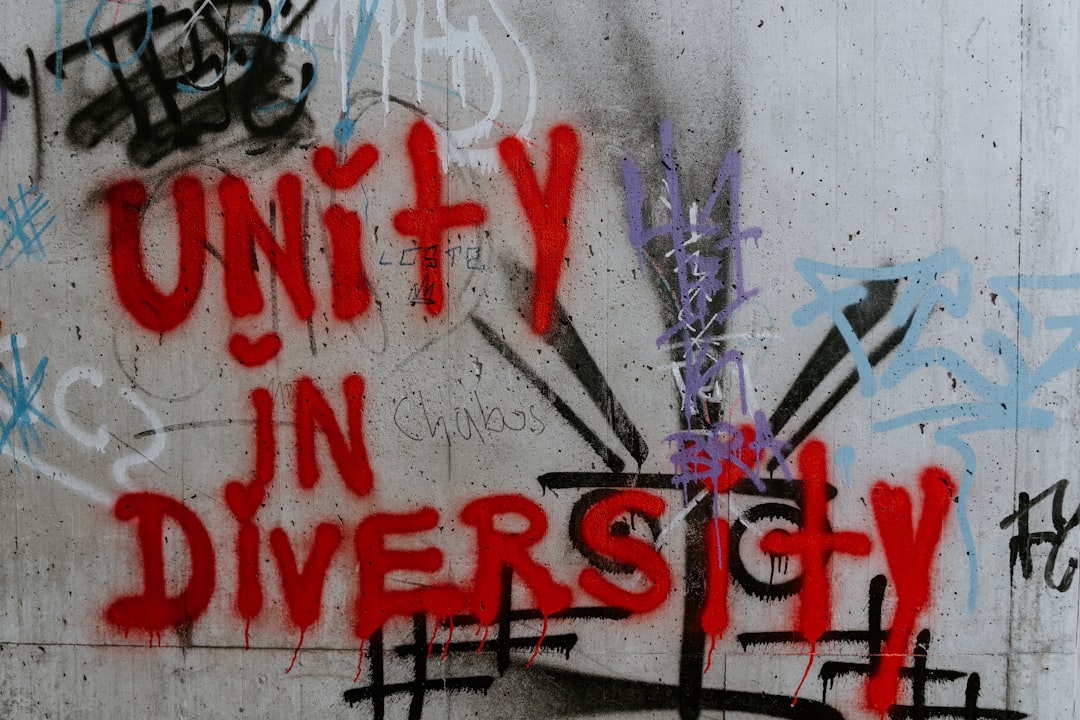
The Illusion of Unity
The WEF, along with a myriad of other international entities, promotes a vision of a unified global community. They tout the idea that we should all be working together to tackle issues like climate change and inequality. However, this vision often comes at a cost—namely, the erosion of sovereignty. When we prioritize global unity over national interests, we unwittingly sacrifice our unique identities and obligations to our own communities.
This disillusionment with sovereignty is not simply a political abstraction; it has real-world implications. For instance, when nations cede control to international bodies, they lose the ability to make decisions tailored to their specific needs. Instead, they’re forced to abide by a one-size-fits-all approach that often ignores local contexts, including the complex racial dynamics that exist within each nation. Our racial obligations, which are intrinsically tied to our national identity, become diluted in this globalist narrative.
The Racial Obligation Conundrum
Sovereignty is not just about borders; it’s about the people within them. Each nation has a unique demographic makeup and historical context that shapes its societal obligations. Failing to recognize these differences can lead to policies that exacerbate racial tensions rather than alleviate them. The globalist framework often overlooks this, insisting that all nations must conform to a universal standard of racial equity, ignoring the specific issues that different communities face.
Let’s not forget that the people who advocate for this globalist agenda often reside in ivory towers, far removed from the realities faced by ordinary citizens. They may have the best of intentions, but their policies can lead to unintended consequences. For example, the imposition of international standards on immigration can lead to cultural clashes that further alienate marginalized communities. If we are to truly understand our racial obligations, we must first recognize the importance of sovereignty in shaping those obligations.
The Data Speaks
Statistics reveal a troubling trend: as nations have increasingly embraced globalist policies, the gap between different racial groups has often widened. A report might show that economic disparities have persisted or even grown under these frameworks. When nations lose control over their economic policies, the ability to target aid and investment towards historically disadvantaged communities diminishes.
Moreover, a recent study indicated that countries with high levels of sovereignty tend to have better outcomes in terms of social cohesion and racial equity. The evidence suggests that when nations prioritize their own interests and uphold their sovereignty, they are more capable of addressing the unique challenges that different racial and ethnic groups face.
Counterarguments and Rebuttals
Critics of this viewpoint often argue that an emphasis on sovereignty can lead to isolationism and xenophobia. While it’s important to remain open and inclusive, the distinction must be made between being inclusive of diverse perspectives and blindly yielding to a globalist agenda that undermines the fabric of national identity. Advocating for sovereignty does not equate to rejecting global cooperation; it simply means we prioritize our own communities while engaging with others on our terms.
Furthermore, the notion that racial obligations can be effectively addressed through international mandates is often naïve. History has shown us that cultural and social dynamics are not universally applicable. What works in one context may be disastrous in another. Therefore, it is crucial for nations to retain their sovereignty to tailor racial policies that truly address the needs of their citizens.
Conclusion
The disillusionment with sovereignty is a symptom of a larger issue—an overreliance on globalist ideologies that fail to acknowledge the intricacies of national identity and racial obligations. By reclaiming our sovereignty, we can better understand and address the unique challenges faced by different racial communities within our borders.
Let us not fall prey to the allure of a globalized utopia that dismisses our unique identities and obligations. The future of our nations—and the racial obligations that come with them—depends on our ability to prioritize sovereignty and engage with the world on our own terms. Only then can we hope to foster true unity and equity, grounded in the distinct realities of our individual nations.
In the end, it’s about time we remind ourselves that while the world may be watching, our first responsibility lies with our own people. Let’s take back control before it’s too late.
Tags: opinion, editorial, current events, disillusionment with sovereignty, racial obligation, World Economic Forum, globalism.



