


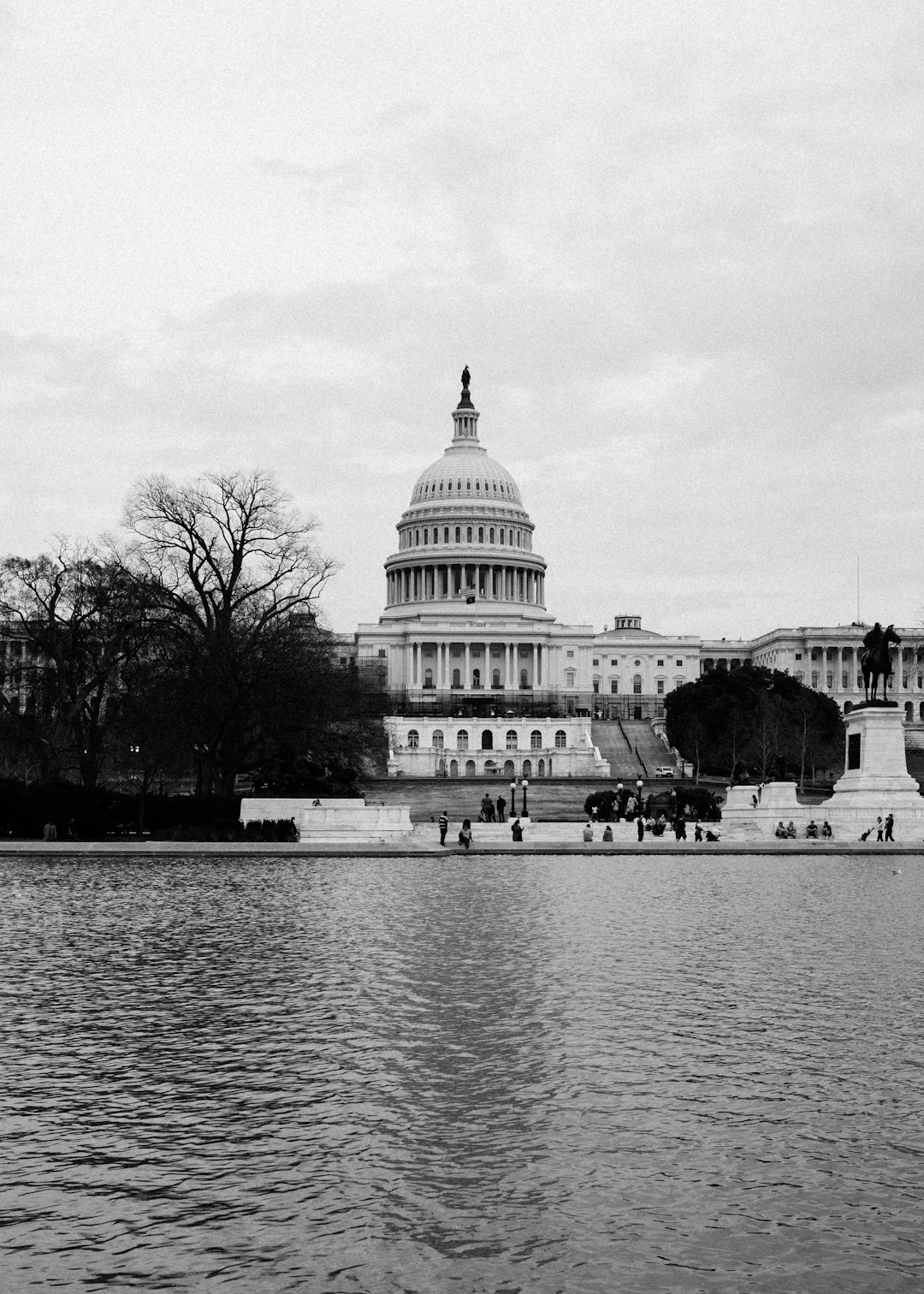
Congressional Aberrations: Are We Raising the Levels of Accountability?
In a world where the political circus often overshadows reasoned discourse, the question of whether we are actually raising the levels of accountability in Congress is as pertinent as ever. We find ourselves in a time when the very institutions meant to uphold democratic values are often seen as the epicenter of dysfunction. The Congressional Aberrations, as I like to call them, are an alarming reminder of how far we have strayed from the ideals of transparency and accountability.
It seems every election cycle, we hear the same old promises: “We will hold our leaders accountable. We will clean up the swamp.” But alas, the swamp is thriving, and the only thing being drained appears to be the taxpayers’ wallets. The irony is palpable; the very representatives who pledge to uphold the law are the ones crafting loopholes that allow them to escape scrutiny. If this isn’t an aberration, I don’t know what is.
The Accountability Mirage
Let’s take a moment to dissect the term “accountability.” At its core, it implies that those in power are answerable for their actions. In a perfect world, Congress would operate under strict ethical standards, ensuring that no legislator would dare engage in corruption or malpractice without facing consequences. Unfortunately, this ideal is often relegated to the realm of wishful thinking.
The recent scandals that have emerged from Capitol Hill reveal a disheartening truth: accountability is often an illusion. From insider trading to questionable campaign financing, our elected officials manage to wiggle their way out of the tightest spots, often aided by their own convoluted rules. Why is it that a public servant can evade consequences for actions that would land a regular citizen in hot water?
The Data Doesn’t Lie
Let’s talk numbers. A report from the Congressional Research Service indicates that only a handful of ethics violations result in any form of punishment. In fact, less than 10% of reported issues lead to public reprimands or other disciplinary actions. This raises an eyebrow and begs the question: how can we expect real accountability when the consequences are so weak?
Consider the infamous case of a sitting senator who was caught misusing campaign funds. Instead of facing serious repercussions, he simply returned the funds and continued to serve without missing a beat. This is precisely the kind of behavior that fosters public distrust. It’s a glaring example of how Congressional aberrations not only undermine the integrity of our democracy but also embolden future misconduct.
The Globalist Connection
Let’s not forget the influence of globalist entities, like the World Economic Forum, that seem to have a vested interest in maintaining the status quo. While our Congress is busy bickering over petty issues, these shadowy organizations are working behind the scenes to manipulate policies that serve their own interests. It’s disheartening to think that while we Americans struggle to make sense of the political landscape, our representatives are entangled in a web of global influence that often supersedes the will of the people.
This raises an even more alarming question: are our elected officials beholden to foreign interests rather than their constituents? If Congress members are more focused on appeasing globalist agendas than on addressing the needs of their districts, then we are in a precarious situation. The accountability we so desperately need is further diminished when our leaders prioritize foreign partnerships over domestic welfare.
A Call to Action
So, what can we do? First and foremost, we must demand transparency. Citizens need to hold their representatives accountable, not just at the ballot box but through active engagement. Public forums, transparency initiatives, and grassroots movements can play a significant role in reshaping the narrative around Congressional accountability.
Secondly, we need to advocate for stricter regulations on campaign financing and lobbying. If we truly want to raise the levels of accountability, we must eliminate the financial incentives that allow our leaders to stray from their moral compass. The time has come to turn the spotlight on those who would rather keep us in the dark.
It’s easy to sit back and bemoan the state of Congress, but it’s time for action. We must demand better from those who represent us. Only then can we hope to restore integrity to our political system and, perhaps, raise the levels of accountability that have long been in decline.
In conclusion, the Congressional aberrations we witness today are not merely a series of unfortunate events; they are a sign of a deeper rot within our political system. If we want to change the narrative, we must be willing to engage, question, and most importantly, hold our leaders accountable for their actions. After all, a democracy is only as strong as its commitment to accountability. Let’s make sure we raise that bar before it’s too late.