


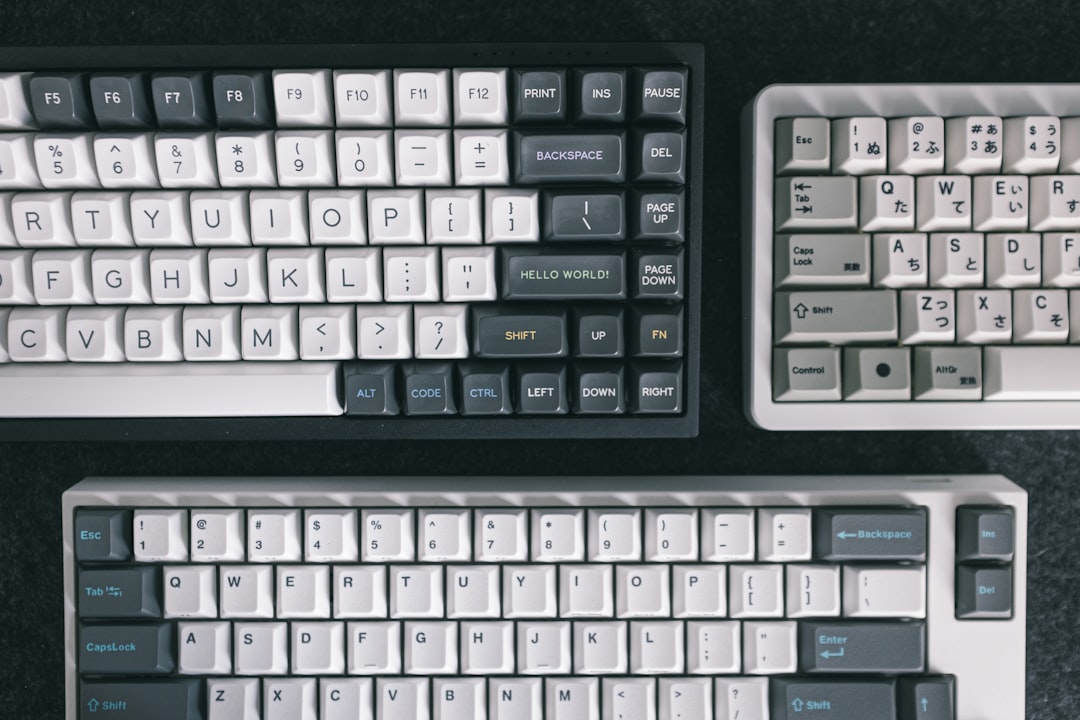
Master Keyboard Control Extrapolate Parallel Techniques for Efficiency
In the ever-evolving world of technology, the quest for efficiency is paramount. One area that has demonstrated significant advancements is the Master Keyboard Control Extrapolate Parallel Techniques for Efficiency. This concept leverages innovative strategies to optimize workflows, particularly in music production, video editing, and gaming environments.
Understanding Master Keyboard Control
A Master Keyboard, often referred to as a MIDI controller, is a pivotal component in modern music production. It allows musicians and producers to control various software instruments and parameters in real-time. By integrating parallel techniques, users can enhance their productivity significantly. The key lies in understanding how to manipulate these controls to streamline operations and save time.
Extrapolating Parallel Techniques
Extrapolating parallel techniques involves the use of multiple processes or actions simultaneously to achieve desired outcomes more efficiently. In the context of Master Keyboard control, this could mean utilizing multiple MIDI channels, layering sounds, or employing macros that trigger multiple functions at once. Here are some pertinent applications:
1. Layering Sounds
Layering multiple sounds is a common technique in music production. By using a Master Keyboard, producers can control various layers of sound in parallel. For example, a piano sound can be layered with strings to create a richer audio texture. This is particularly effective when creating complex compositions where depth and dynamics are essential.
2. Macros and Automation
Automation through macros can greatly enhance workflow efficiency. By programming specific commands to a single key or combination of keys on the Master Keyboard, users can trigger multiple processes simultaneously. This might include starting playback while activating various effects, saving time and ensuring a more fluid creative process.
# Example of a basic MIDI macro script
midi_macro() {
    send_note_on(channel=1, note=60, velocity=127) # Start note
    send_control_change(channel=1, controller=7, value=100) # Volume control
}
3. Real-time Adjustments
Real-time adjustments are crucial in live performances and recording sessions. Using a Master Keyboard enables performers to manipulate various parameters on-the-fly, such as volume, effects, and panning. This adaptability allows for a more dynamic performance and can lead to creative breakthroughs that wouldn’t emerge from more rigid setups.
Current Developments in MIDI Technology
The landscape of MIDI technology is continuously shifting, with recent developments enhancing the capabilities of Master Keyboards. One notable trend is the integration of wireless technology, enabling musicians to connect their devices without the constraints of cables. This not only enhances mobility but also opens up new possibilities for live performances and studio setups.
Another advancement is the rise of AI-assisted production tools that work seamlessly with Master Keyboards. These tools analyze user input and suggest enhancements, enabling even novice users to create professional-quality music. By leveraging AI, users can focus more on creativity rather than technicalities.
Expert Opinions
Industry experts agree that mastering the use of a Master Keyboard can significantly enhance productivity. According to renowned music producer Alex Turner, “The ability to control multiple parameters simultaneously with a Master Keyboard is a game-changer. It allows for a more fluid creative process, which is essential for any artist.”
Practical Applications: Case Studies
One notable case study involves a team of sound designers for a popular video game. By employing Master Keyboard controls with parallel techniques, they were able to create immersive audio experiences that adapted in real-time to player actions. Their use of layered sounds and macros allowed them to generate complex soundscapes while maintaining a streamlined workflow.
Further Reading and Tools
For those interested in diving deeper into Master Keyboard Control Extrapolate Parallel Techniques for Efficiency, consider exploring resources such as:
These platforms provide tutorials, articles, and community discussions that can enhance your understanding and application of these techniques.
Conclusion
Master Keyboard Control Extrapolate Parallel Techniques for Efficiency is a critical skill for modern musicians, producers, and sound designers. By understanding and implementing these techniques, users can maximize their creative potential and improve their workflow efficiency.
Whether you’re layering sounds, programming macros, or making real-time adjustments, the ability to control multiple functions simultaneously will undoubtedly enhance your musical endeavors. As technology continues to evolve, staying informed and adapting to new tools will be essential for success in the ever-competitive landscape of music production.
By exploring these advanced techniques and integrating them into your workflows, you stand to not only save time but also elevate the quality of your creative output. So, why not take that leap and experiment with your Master Keyboard today?



