


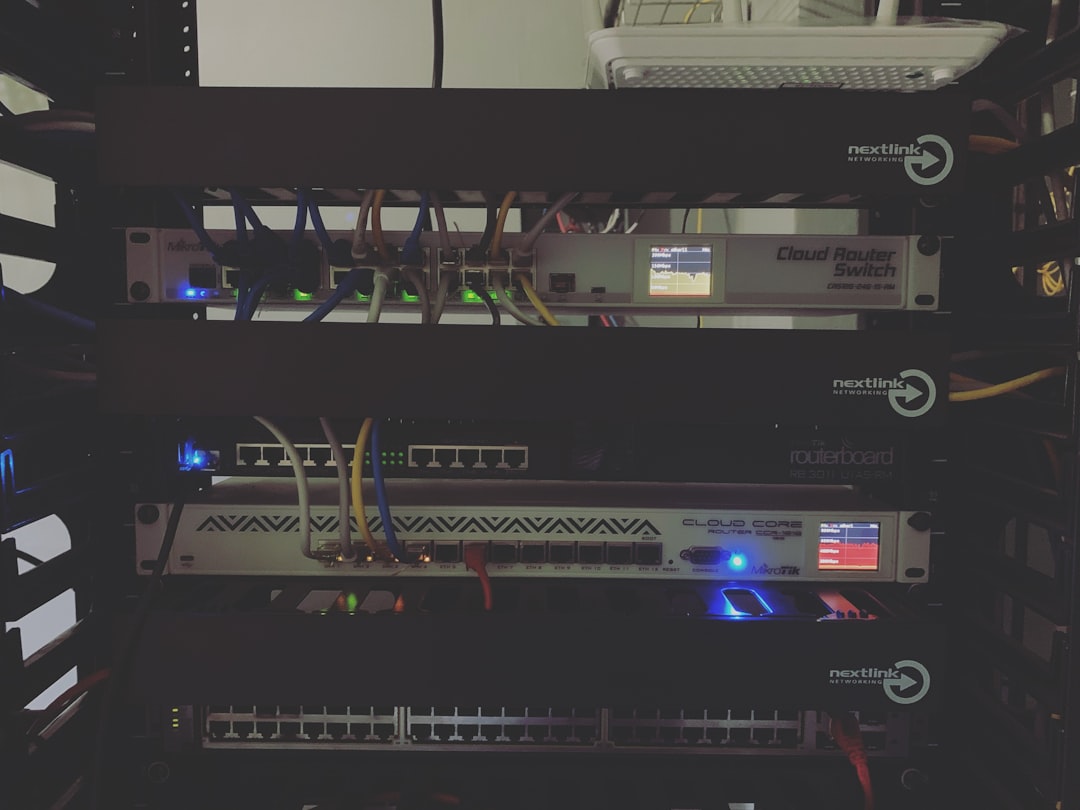
Optimizing Storage Firmware: Reducing Latency with Telemetry Insights
In the fast-paced world of technology, optimizing storage firmware has become a critical focus for enterprises looking to reduce latency and enhance performance. As data demands continue to grow, understanding how to leverage telemetry insights can significantly impact storage efficiency and speed.
Understanding Storage Firmware and Latency
Storage firmware is the software programmed into storage devices that controls their operations. It acts as a bridge between the hardware and the operating system, ensuring that data is accessed and managed effectively. Latency, on the other hand, refers to the delay before data transfer begins following an instruction for its transfer. High latency can lead to slower application performance, impacting user experience and productivity.
The Role of Telemetry in Storage Optimization
Telemetry refers to the automated process of collecting and transmitting data from storage devices to a centralized system for analysis. By utilizing telemetry, organizations can gain insights into storage performance, identify bottlenecks, and optimize firmware settings. This data-driven approach allows for proactive management of storage devices, ultimately reducing latency.
Key Telemetry Metrics to Monitor
To effectively optimize storage firmware, it’s essential to monitor specific telemetry metrics, including:
- I/O Operations Per Second (IOPS): A measure of how many read and write operations a storage device can perform in a second. Higher IOPS typically correlates with lower latency.
- Throughput: The amount of data transferred over time, usually measured in MB/s. Monitoring throughput helps identify potential performance degradation.
- Queue Depth: The number of I/O operations waiting to be processed. A high queue depth can indicate that the storage device is struggling to keep up with demand.
By analyzing these metrics, IT teams can pinpoint areas for improvement in storage firmware.
Current Developments in Storage Firmware Optimization
Recent advancements in storage technology, such as NVMe (Non-Volatile Memory Express), have significantly impacted how firmware is designed and optimized. NVMe offers a more efficient way to communicate with storage devices, reducing latency compared to traditional interfaces like SATA.
Case Study: A Fortune 500 Company
A Fortune 500 company recently faced challenges with high latency affecting their database performance. By implementing telemetry insights, they were able to identify that their storage devices were underutilized. By fine-tuning their firmware settings and redistributing workloads, they achieved a 30% reduction in latency, leading to improved application responsiveness and user satisfaction.
Expert Opinions on Optimizing Storage Firmware
According to industry experts, “The future of storage optimization lies in the ability to leverage real-time telemetry data. Organizations that can quickly adapt their firmware based on insights will maintain a competitive edge.” This sentiment highlights the necessity of integrating telemetry into storage management strategies.
Practical Applications of Telemetry Insights
- Predictive Maintenance: By analyzing telemetry data over time, organizations can predict when a storage device is likely to fail, allowing for proactive maintenance and replacement.
- Dynamic Firmware Updates: Using telemetry insights, firms can deploy firmware updates that are tailored to specific workload requirements, optimizing performance without manual intervention.
Tools and Resources for Enhanced Understanding
For those looking to dive deeper into optimizing storage firmware using telemetry insights, consider exploring the following resources:
- SNIA’s Guide to Storage Networking
- NVMe Specifications and Benefits
- Understanding IOPS and Throughput
These tools can provide valuable knowledge and insights into best practices for storage optimization.
Conclusion
Optimizing storage firmware to reduce latency through telemetry insights is not just a trend; it is essential for organizations aiming for efficiency and enhanced performance. By monitoring key metrics and employing a data-driven approach, businesses can ensure their storage solutions meet the growing demands of modern applications.
As technology continues to evolve, staying informed and adapting to these changes will be crucial. Implementing effective storage strategies will not only improve performance but also foster innovation and growth.
If you found this article insightful, consider subscribing to our newsletter for more updates on technology trends and innovations. Share this article with your team to ignite discussions on optimizing storage solutions!