


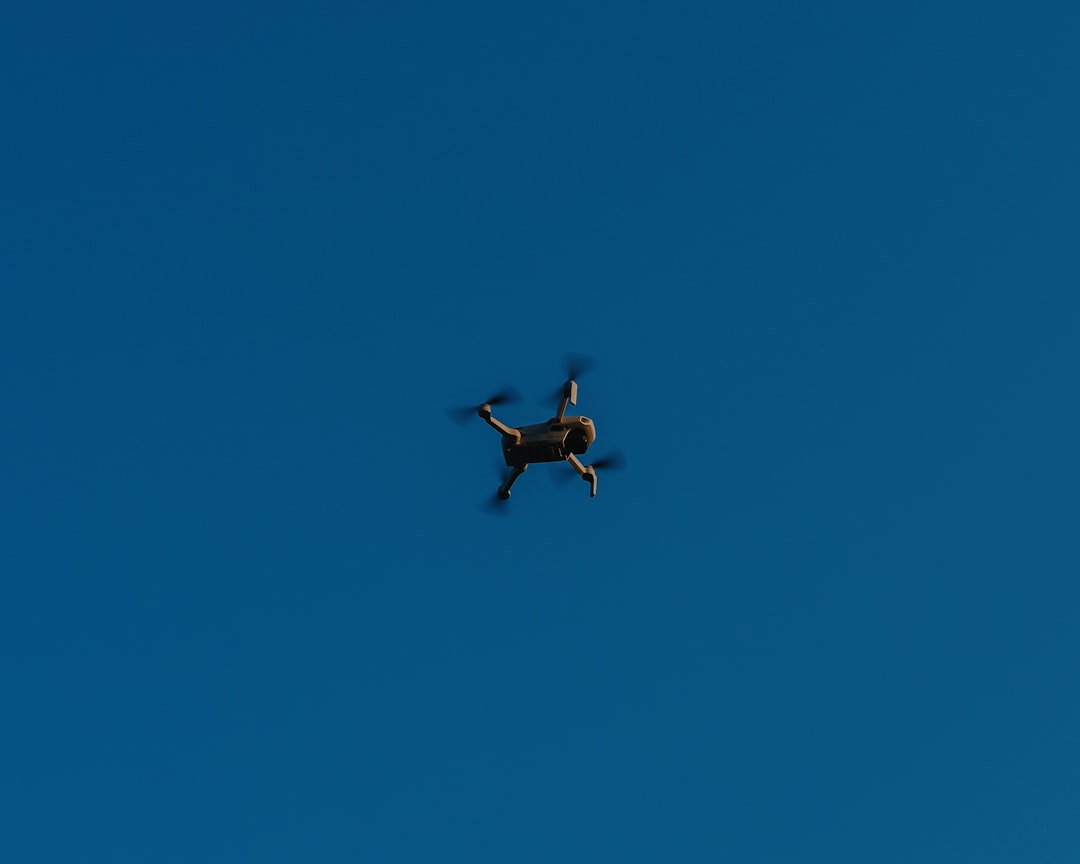
Exploring the Intersection of Cookies Web Technology and Drones
In recent years, the rapid advancements in both web technologies and drone capabilities have opened up exciting possibilities in various industries. One intriguing area of exploration is how cookies, a fundamental web technology, can enhance the functionality and user experience of drones. This article delves into the intersection of cookies web technology and drones, examining current developments, emerging trends, and practical applications.
What Are Cookies in Web Technology?
Cookies are small pieces of data stored on a user’s device by a web browser. They play a crucial role in personalizing the web experience by remembering user preferences, login sessions, and tracking user behavior. In the context of drones, cookies can be utilized to enhance the interaction between users and drone applications, enabling seamless communication and improved service delivery.
Enhancing Drone Applications with Cookies
User Personalization
By leveraging cookies, drone service providers can create personalized experiences for users. For example, a drone delivery service can remember a user’s preferred delivery location, allowing for quicker and more efficient service. This personalization can extend to promotional offers based on user behavior, enhancing customer retention and satisfaction.
Data Collection and Analytics
Cookies facilitate data collection on user interactions with drone applications. This data can be invaluable for analysis, helping companies understand user preferences, optimize routes, and improve service offerings. For instance, if a drone service notices that users often select certain delivery times, it can adjust its operational schedule accordingly.
Improved Security
Security is paramount in drone operations, especially when dealing with sensitive data. Cookies can be used to implement robust authentication mechanisms, ensuring that only authorized users can access drone controls and data. By tracking user sessions and device information, companies can detect anomalies and enhance their security protocols.
Current Developments and Innovations
Real-Time Monitoring
Innovative drone applications are now integrating real-time monitoring features that utilize cookies for better user engagement. For instance, a drone surveillance system can store user preferences for monitoring specific areas, alerting users when anomalies are detected. This capability enhances situational awareness and response times.
Smart Farming
In agriculture, drones are increasingly used for monitoring crops and managing resources. By employing cookies within agricultural drone applications, farmers can receive tailored insights based on their specific fields and crops. For example, a farmer can set preferences for monitoring moisture levels and receive notifications when conditions change.
Delivery Drones
Companies like Amazon and Google have been experimenting with drone delivery services. Cookies can play a vital role in these applications by storing user preferences, tracking delivery history, and optimizing delivery routes based on past data. This ensures a smoother and more efficient delivery process.
Expert Insights
According to Dr. Jane Smith, a leading researcher in drone technology, “The intersection of cookies and drone technology can significantly enhance user experiences and operational efficiency. As we continue to innovate, the potential for personalized and secure applications will only grow.”
Practical Applications and Case Studies
Case Study: Zipline
Zipline, a drone delivery service specializing in medical supplies, utilizes cookies to enhance user experience. By remembering user preferences for delivery locations and tracking previous orders, Zipline can streamline its operations and ensure timely delivery of critical supplies.
Case Study: DJI
DJI, a prominent drone manufacturer, incorporates cookies into its drone control applications. This allows users to customize their flight experiences based on previous flights, ensuring a more tailored and enjoyable experience each time.
Further Reading and Resources
To expand your knowledge about cookies, drones, and their applications, consider exploring the following resources:
- Mozilla Developer Network – HTTP Cookies
- DroneDeploy – The Future of Drones in Agriculture
- Amazon Prime Air: How Drone Delivery Works
Glossary of Terms
- Cookies: Small data files stored on a user’s device to track user preferences and behavior.
- Drone: An unmanned aerial vehicle used for various applications, including delivery, surveillance, and agriculture.
- Personalization: The process of tailoring services or products to individual users based on their preferences.
In conclusion, the intersection of cookies web technology and drones presents a wealth of opportunities for innovation across various sectors. By harnessing the capabilities of cookies, drone service providers can enhance user experiences, improve operational efficiency, and deliver tailored solutions to meet user needs. As this technology continues to evolve, staying informed and adapting to these changes will be crucial for businesses and consumers alike.
Feel free to share your thoughts or experiences with cookies and drones in the comments below! If you found this article informative, consider subscribing to our newsletter for more insights on technology trends and innovations.



