


The Dangers of Political Correctness: A Wake-Up Call
Political correctness (PC) has been a contentious topic in recent years, often sparking heated debates in both public and private spheres. While the intention behind political correctness is to promote inclusivity and sensitivity toward marginalized groups, there are significant dangers associated with its unrestrained application. This article serves as a wake-up call, urging readers to critically evaluate the implications of political correctness in our society.
The Roots of Political Correctness
Political correctness emerged as a response to the need for respectful discourse in a diverse society. It primarily aims to avoid language and actions that can marginalize or offend specific groups. However, the evolution of political correctness has often led to an environment where free speech is stifled, and genuine dialogue is replaced by fear of retribution.
The Dangers of Overreach
1. Censorship of Free Speech
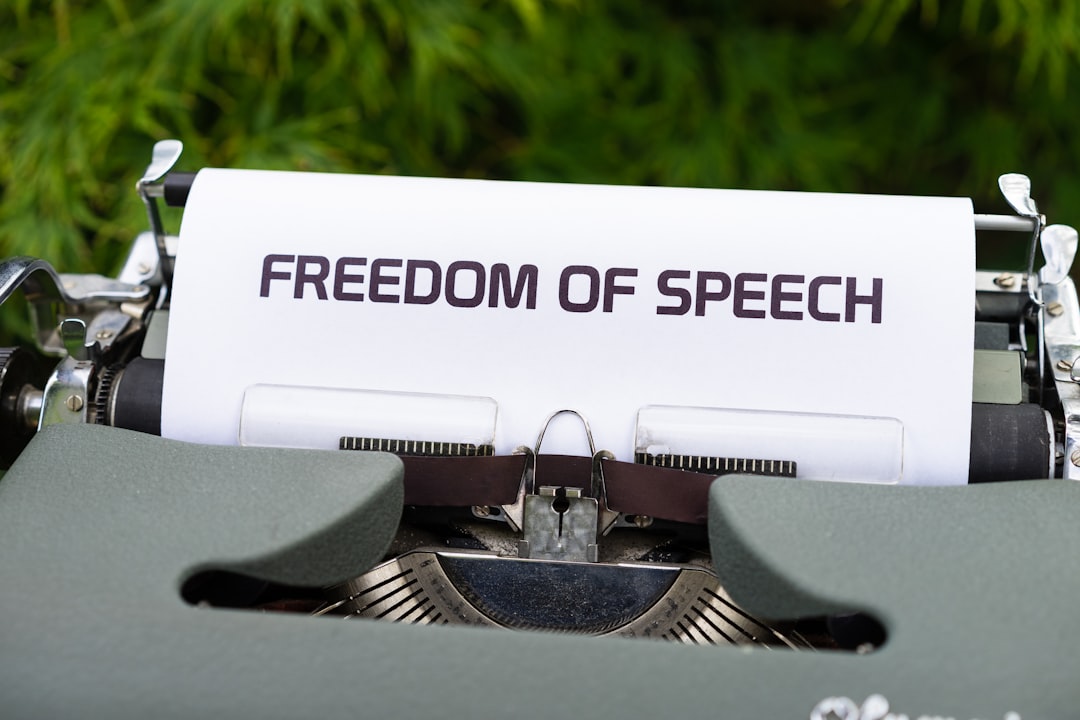
One of the most alarming dangers of political correctness is its potential to censor free speech. The fear of offending someone can lead individuals to self-censor, ultimately stifling open discussions about important issues. This suppression can create echo chambers where only certain viewpoints are validated, while dissenting opinions are silenced.
2. Erosion of Critical Thinking
Political correctness can often lead to a culture of conformity, where individuals feel pressured to adopt specific beliefs or language. This can erode critical thinking skills, as people may prioritize adherence to politically correct norms over engaging in rational debate. When individuals are discouraged from questioning the status quo, innovation and progress can stagnate.
3. Victimhood Mentality
Another danger lies in fostering a victimhood mentality. When individuals identify solely as victims of oppression, it can lead to a sense of powerlessness and resentment. This mindset can prevent constructive dialogue and collaboration, creating further divisions rather than promoting understanding and healing.
Emergence of Cancel Culture
Cancel culture is a direct offshoot of political correctness, wherein individuals are publicly shamed or ostracized for perceived transgressions. This phenomenon highlights the dangers of mob mentality, where the consequences of a single misstep can be disproportionately severe. The chilling effect of cancel culture discourages individuals from expressing themselves authentically, leading to a culture of fear and repression.
Case Studies: The Impact of Political Correctness
1. Academic Freedom
Universities are often seen as bastions of free thought and debate; however, the rise of political correctness has led to notable incidents that threaten academic freedom. For example, prominent speakers have been disinvited from campuses due to fears of backlash, limiting students’ exposure to diverse perspectives.
2. Workplace Dynamics
In corporate environments, political correctness can create a tense atmosphere where employees are wary of expressing their opinions. This can hinder creativity and collaboration, as individuals may feel that they cannot share innovative ideas due to fear of offending colleagues.
Expert Opinions
Renowned psychologist Jordan Peterson argues that political correctness undermines free speech and individuality. He suggests that rather than imposing restrictions, society should encourage open dialogue to foster understanding and personal growth. Peterson’s views resonate with many who are concerned about the implications of political correctness on societal cohesion.
Further Reading and Resources
To explore the complexities of political correctness and its implications further, consider the following resources:
- The Coddling of the American Mind by Greg Lukianoff and Jonathan Haidt
- So You’ve Been Publicly Shamed by Jon Ronson
- Canceling Comedians While the World Burns by Ben Shapiro
Conclusion
The dangers of political correctness are manifold, impacting free speech, critical thinking, and societal cohesion. As we continue to navigate the complexities of modern discourse, it is crucial to remain vigilant against the overreach of political correctness. Encouraging open dialogue, critical thinking, and an appreciation for diverse perspectives can help mitigate these dangers and foster a more inclusive society.
Engage with this content, share your thoughts, and encourage others to explore these vital issues. Your voice matters in shaping the discourse around political correctness.
Glossary of Terms
- Political Correctness (PC): Language and policies intended to avoid offense to marginalized groups.
- Cancel Culture: The practice of publicly rejecting or shaming individuals for controversial actions or statements.
- Victimhood Mentality: A perspective that emphasizes one’s victim status, often leading to a sense of powerlessness.
Understanding these concepts will aid in navigating the debates surrounding political correctness and its impact on society.



