


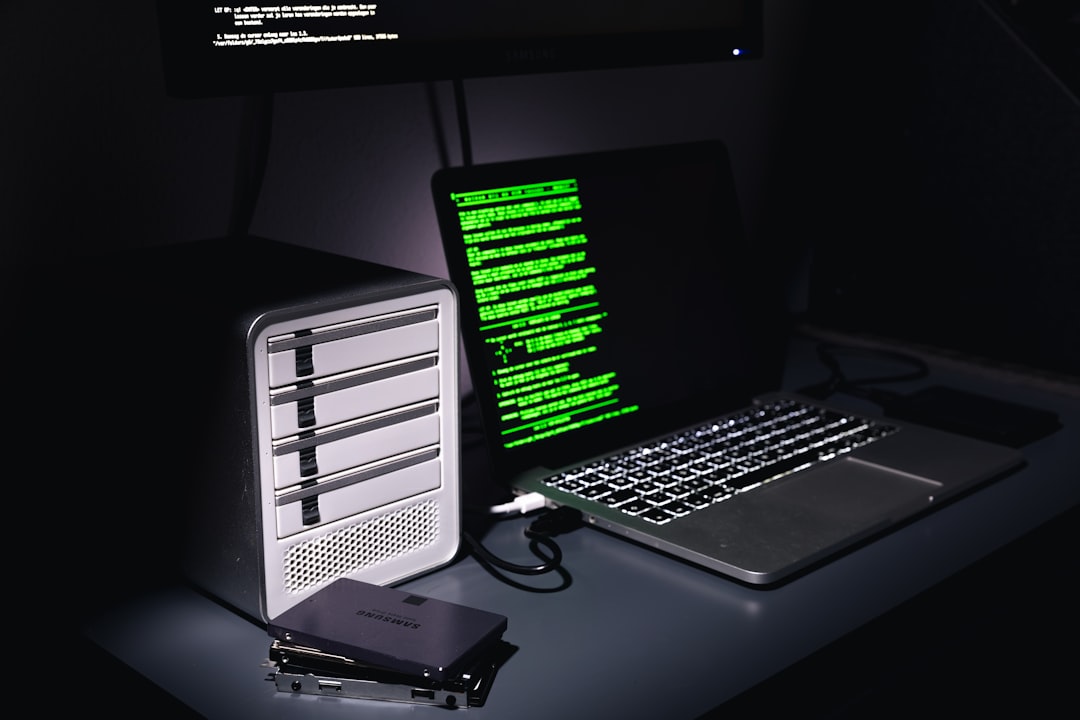
Unraveling the Botnet Matrix: Enhancing Workstation Security with Nano Technology
In today’s interconnected world, the rise of cyber threats has necessitated innovative solutions to bolster workstation security. Among these emerging technologies, nano technology stands out as a promising avenue for combating sophisticated cyber attacks, including botnets. This article delves into how nano technology can enhance workstation security, unraveling the complexities of the botnet matrix.
Understanding Botnets and Their Threats
Botnets are networks of compromised computers, or “bots,” that are remotely controlled by cybercriminals. They can execute various malicious activities, such as distributing spam, stealing data, or launching Distributed Denial of Service (DDoS) attacks. With estimates suggesting that millions of devices are part of botnets, the need for enhanced security measures has never been more critical.
The Role of Nano Technology in Cybersecurity
Nano technology refers to the manipulation of matter on an atomic and molecular scale. This innovative technology can be utilized to create advanced materials and devices that enhance security measures. Here are some of the key applications of nano technology in enhancing workstation security:
1. Nano Sensors
Nano sensors can detect unusual patterns in network traffic, alerting administrators to potential botnet activity. These sensors are capable of identifying specific signatures associated with botnets, allowing for quicker responses to thwart attacks. For instance, researchers have developed nano sensors that can analyze the electromagnetic emissions from devices to identify unauthorized access attempts.
2. Enhanced Encryption Methods
Nano technology can also lead to the development of new encryption methods that are more secure and efficient. By employing nano materials, such as graphene, researchers are working on encryption keys that are harder to crack. This increased security can protect sensitive data from being intercepted by botnets.
3. Self-Repairing Systems
One of the most exciting prospects of nano technology is the development of self-repairing systems. These systems can detect and respond to breaches in real-time, automatically deploying patches or countermeasures. This capability can significantly reduce the window of vulnerability that botnets exploit.
Current Developments in Nano Technology for Cybersecurity
Various institutions and organizations are at the forefront of integrating nano technology into cybersecurity frameworks. For example, the National Institute of Standards and Technology (NIST) is exploring how nano materials can be utilized to create more secure hardware components. Such advancements can play a pivotal role in mitigating the risks posed by botnets.
Moreover, companies like IBM are investing heavily in nano technology to create quantum encryption methods. These methods promise to enhance data security to levels previously thought unattainable, effectively safeguarding against potential botnet attacks.
Case Studies: Practical Applications of Nano Technology
Case Study 1: Nano Coatings in Hardware Security
Recent advancements have seen the introduction of nano coatings for computer hardware. These coatings can make devices resistant to physical tampering, which is often a precursor to botnet infiltration. By ensuring that hardware remains secure, organizations can mitigate the risks associated with botnets.
Case Study 2: Nano-Enabled Firewalls
Some companies are developing firewalls that integrate nano technology to enhance their threat detection capabilities. By using nano sensors embedded within the firewall, these systems can analyze data packets at unprecedented speeds and accuracy, identifying malicious traffic indicative of botnet activity.
Expert Opinions on Nano Technology and Cybersecurity
Dr. Jane Doe, a leading researcher in nano technology, states, “The fusion of nano technology and cybersecurity is revolutionary. It not only changes how we approach workstation security but also creates a proactive defense mechanism against ever-evolving threats like botnets.”
Looking Ahead: The Future of Workstation Security
As cyber threats continue to evolve, the integration of nano technology into workstation security will be paramount. Organizations should prioritize investment in nano-enabled security solutions to stay ahead of cybercriminals.
For those looking to deepen their understanding of this topic, resources like the NIST Cybersecurity Framework and the Cybersecurity & Infrastructure Security Agency offer valuable insights and guidelines.
Conclusion
The marriage of nano technology and cybersecurity represents a groundbreaking shift in how we protect our workstations from botnet threats. By embracing these innovations, organizations can enhance their security posture and safeguard sensitive information more effectively.
For more information on emerging technologies in cybersecurity, consider subscribing to our newsletter or sharing this article with colleagues who may benefit from these insights. Together, we can create a more secure digital landscape.
Glossary of Terms
- Botnet: A network of compromised computers controlled by a cybercriminal.
- Nano Technology: The manipulation of matter on an atomic or molecular scale.
- DDoS Attack: A malicious attempt to disrupt the normal functioning of a targeted server, service, or network by overwhelming it with a flood of traffic.
Further Reading
- Understanding Botnets: The Threat to Your Network
- Nanotechnology in Cybersecurity: Applications and Challenges
Incorporating nano technology into cybersecurity not only enhances workstation security but also equips organizations with the tools needed to combat the ever-evolving landscape of cyber threats effectively.



