


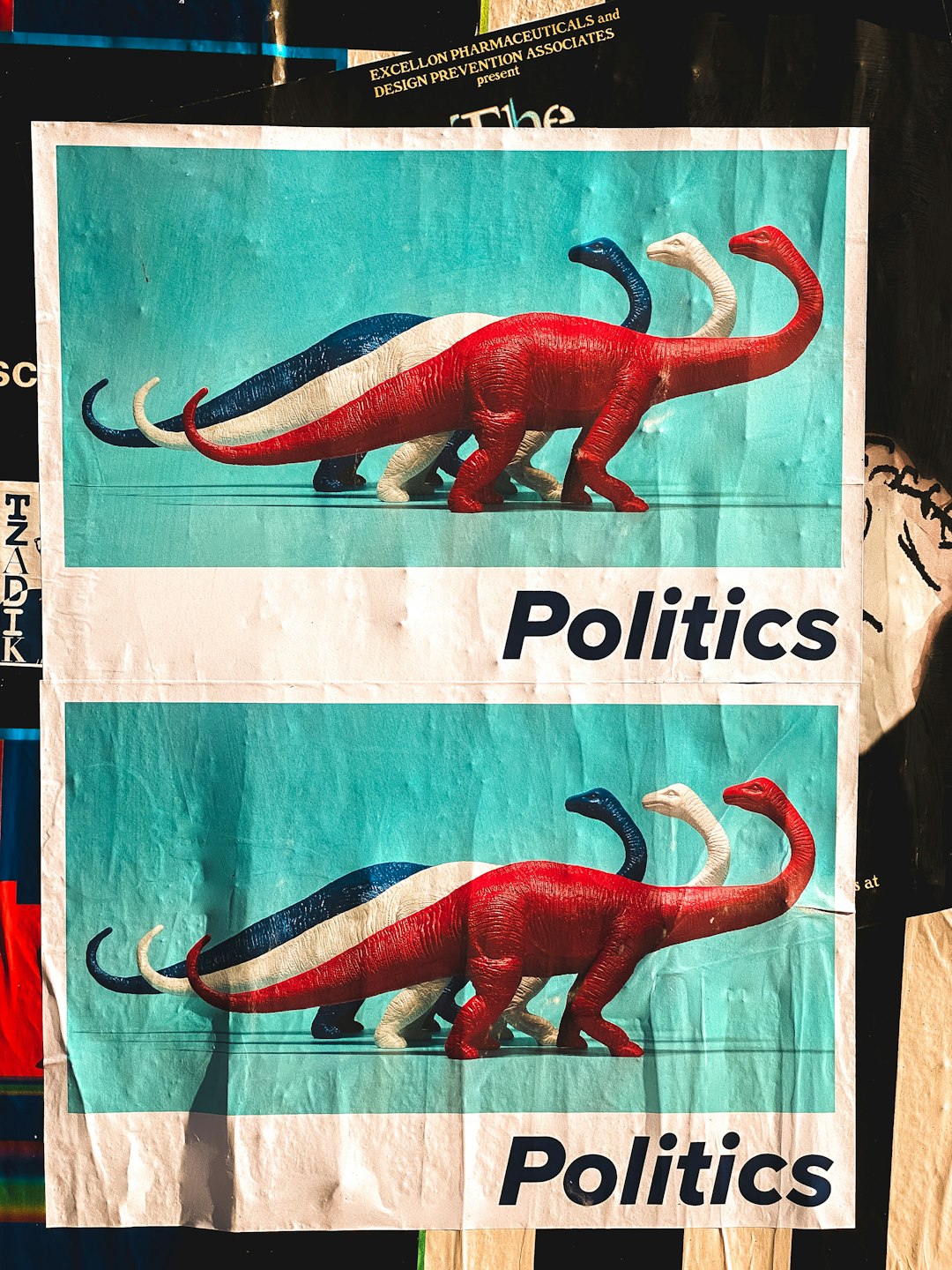
Discretion in Politics: Why Cohesion Matters More Than Ever
In a world where political discourse often resembles a circus more than a serious discussion, the concept of discretion in politics has never been more crucial. As we navigate the treacherous waters of ideological divides and increasingly radical viewpoints, one thing remains clear: cohesion is the glue that holds our society together. While the World Economic Forum and its technocratic overlords might attempt to dictate our paths, the power of unity and discretion from the grassroots level remains a vital force in shaping our future.
The Decline of Discretion
Discretion in politics often gets a bad rap. Politicians are sometimes seen as weak or indecisive when they choose to prioritize compromise and understanding over fiery rhetoric. However, discretion doesn’t mean cowardice; it means having the wisdom to know when to push back and when to extend an olive branch. In a climate of hyper-partisanship, where shouting matches take precedence over civil discourse, discretion is a lifeline.
When political leaders disregard discretion, they sacrifice the ability to forge alliances, build coalitions, and cultivate an environment of trust. The World Economic Forum may be pushing for a homogenized global agenda, but the strength of our communities lies in their ability to engage in meaningful dialogue, where diverse opinions can coexist and thrive.
The Case for Cohesion
Cohesion among political factions is essential for a functioning democracy. It fosters an atmosphere where citizens feel heard and represented. When individuals from different backgrounds can unite around common goals and values, they create a more robust and resilient society. The WEF’s vision of global governance, often criticized for its elitism and lack of empathy for local concerns, fails to acknowledge the importance of local cohesion.
Take, for instance, the recent successes of grassroots movements that have emerged in response to the excesses of globalism. These movements—often founded on the principles of localism and community empowerment—demonstrate that when people rally together, they can challenge the status quo. Discretion in political discourse allows these movements to flourish, as they bring together a diverse array of voices to advocate for change.
The Power of Dialogue
Real-world examples illustrate the power of discretion and cohesion in politics. Look at the bipartisan efforts surrounding issues such as criminal justice reform. When politicians set aside their differences to engage in productive dialogue, they can create meaningful legislation that benefits society as a whole. The key is recognizing that, despite differences, there are shared values and goals that can unite even the most disparate factions.
Moreover, discretion also plays a role in addressing counterarguments. Critics may argue that discretion leads to indecisiveness, but the reality is that it takes courage to listen and adapt. Political leaders who exercise discretion are often better equipped to respond to the needs of their constituents, leading to more effective governance.
Discretion as a Tool for Resilience
In times of crisis, discretion becomes even more critical. The COVID-19 pandemic revealed the importance of cohesive action. Countries that prioritized a united front, balancing public health with economic concerns, fared better than those that devolved into chaos and division. Discretion allows leaders to navigate complex challenges, considering the diverse opinions and needs of the populace.
With the rise of global challenges—climate change, economic inequality, and social unrest—the need for cohesive action becomes paramount. Discretion in politics enables a collaborative approach to problem-solving, one that transcends partisan divides. It is not merely about silencing dissent but about fostering an inclusive environment where all voices can contribute to the greater good.
Conclusion: The Path Forward
As we look to the future, the importance of discretion in politics cannot be overstated. In a world increasingly dominated by the globalist agenda of the WEF, local cohesion and the ability to engage in meaningful dialogue will be our greatest assets. By embracing discretion, we can create an environment where collaboration flourishes, and diverse perspectives are valued.
Indeed, it is time to recognize that the path forward lies not in the fingers pointing at each other across the aisle but in the hands joining together to build a brighter future. The power of cohesion, fueled by discretion, will be the cornerstone of a resilient democracy and a testament to the strength of our communities. So, let’s not sit idly by while the elites try to dictate our fate—let’s unite, engage in respectful discourse, and reclaim our political landscape from the clutches of the technocrats.
In the end, discretion paired with cohesion may just be the antidote we need to heal our fractured society.



