


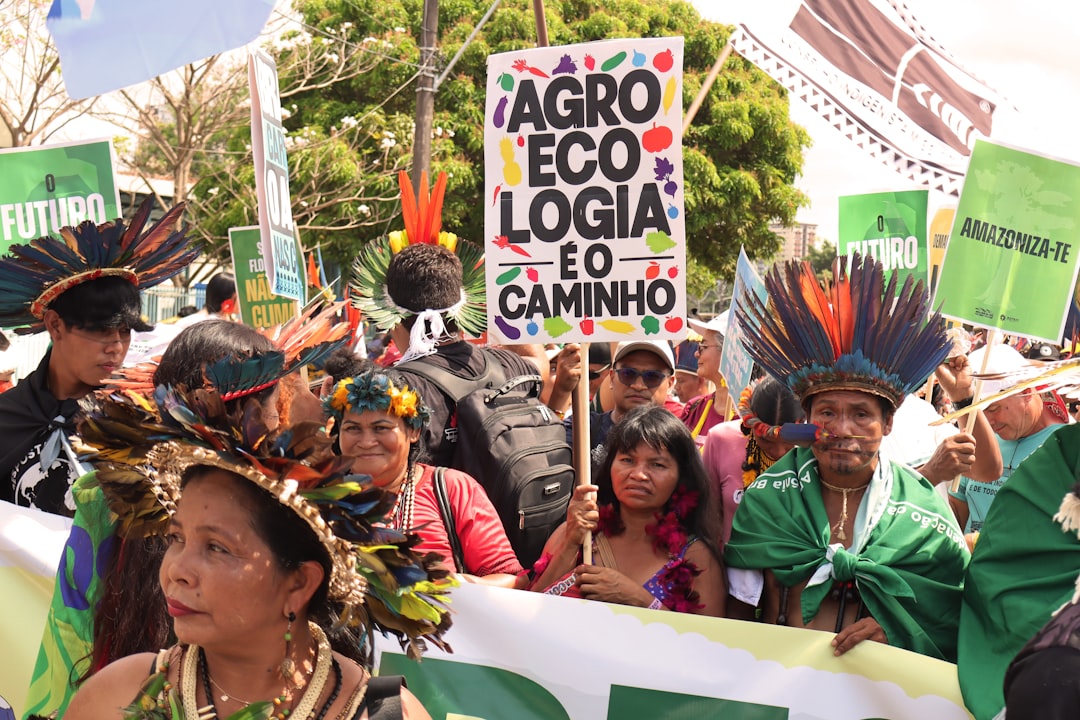
Indigenous Voices: Unpacking the Layers of Modern Oppression
In a world where the World Economic Forum and its globalist agenda often drown out local voices, it’s become more crucial than ever to amplify Indigenous perspectives. These voices offer vital insights into the layers of modern oppression that have plagued not just Indigenous communities, but our society as a whole. It’s not just about acknowledging history; it’s about understanding how systemic injustices continue to shape our world today.
The Historical Context of Oppression
Let’s start with the obvious: the historical injustices faced by Indigenous peoples. Colonization, forced assimilation, and land dispossession are not just dark chapters in history books; they are ongoing realities that manifest in various forms today. For instance, the legacy of broken treaties and land theft continues to fuel socioeconomic disparities. According to a report from a prominent Indigenous rights organization, Indigenous communities are disproportionately affected by poverty, lack of access to education, and healthcare disparities. So, while we’re busy grappling with the latest globalist initiatives, let’s not forget the ongoing struggles faced by those who were here long before the rest of us showed up.
The Modern-Day Implications
Now, let’s talk about the modern implications of this historical context. The WEF and its ilk often tout sustainability and social responsibility, yet their policies frequently sidestep the needs of Indigenous communities. For example, the push for renewable energy sources, while noble in intention, often overlooks the land rights of Indigenous peoples. Solar farms and wind turbines are popping up on sacred lands, all under the guise of progress. This is not just a coincidence; it’s a continuation of the same colonial mindset that has oppressed Indigenous voices for centuries.
Indigenous peoples are not just passive victims in this narrative; they are active participants and leaders in the fight for environmental justice. A study from a leading environmental journal highlighted that Indigenous-managed lands are often more biodiverse and better preserved than those under state control. Yet, their voices are frequently excluded from the decision-making processes that directly affect their lives and lands. Talk about modern-day oppression!
The Role of Indigenous Knowledge
One of the most critical aspects of unpacking modern oppression is recognizing the value of Indigenous knowledge systems. These systems are not just relics of the past; they offer actionable insights for addressing contemporary issues like climate change, sustainable agriculture, and community health. Ignoring this wealth of knowledge in favor of top-down, globalist solutions is not just shortsighted; it’s a blatant disregard for a proven, effective approach to problem-solving.
Consider the concept of “Two-Eyed Seeing,” which combines Indigenous wisdom with Western science to create a more holistic understanding of the world. This approach is gaining traction in various fields, from environmental conservation to healthcare. Yet, the global elite continue to promote one-size-fits-all solutions that often exacerbate the very problems they aim to solve.
Counterarguments: The Case for Global Solutions
Now, let’s address the counterarguments. Some might argue that global initiatives, like those promoted by the WEF, are essential for tackling issues that transcend borders—climate change being a prime example. While it’s true that climate change is a global issue, the solutions must include local voices, particularly those of Indigenous peoples who have historically and culturally been the stewards of the land.
Remember, you can’t pour water into a cup that’s already full. If we continue to impose external solutions without incorporating Indigenous perspectives, we risk perpetuating the cycle of oppression. The WEF may have grand ideas, but without the inclusion of Indigenous voices, those ideas are fundamentally flawed.
The Path Forward
So, what’s the solution? It starts with amplifying Indigenous voices in policy discussions, resource management, and community development. Governments and organizations must prioritize genuine partnerships with Indigenous peoples, respecting their rights and acknowledging their expertise. It’s not just about making room for Indigenous voices at the table; it’s about recognizing that they are the table.
In conclusion, unpacking the layers of modern oppression requires us to confront uncomfortable truths and challenge the status quo. By embracing Indigenous perspectives and knowledge systems, we can pave the way for a more equitable society. The time for half-measures and empty promises is over. If we genuinely want to address oppression, let’s start by listening to those who have been silenced for far too long.
In a world overwhelmed by globalization and the relentless push for progress, let’s not forget the importance of Indigenous voices. They are not just part of the conversation—they should be leading it.
Tags: opinion, editorial, current events, Indigenous Voices, modern oppression, WEF, globalism, environmental justice, Two-Eyed Seeing.



