


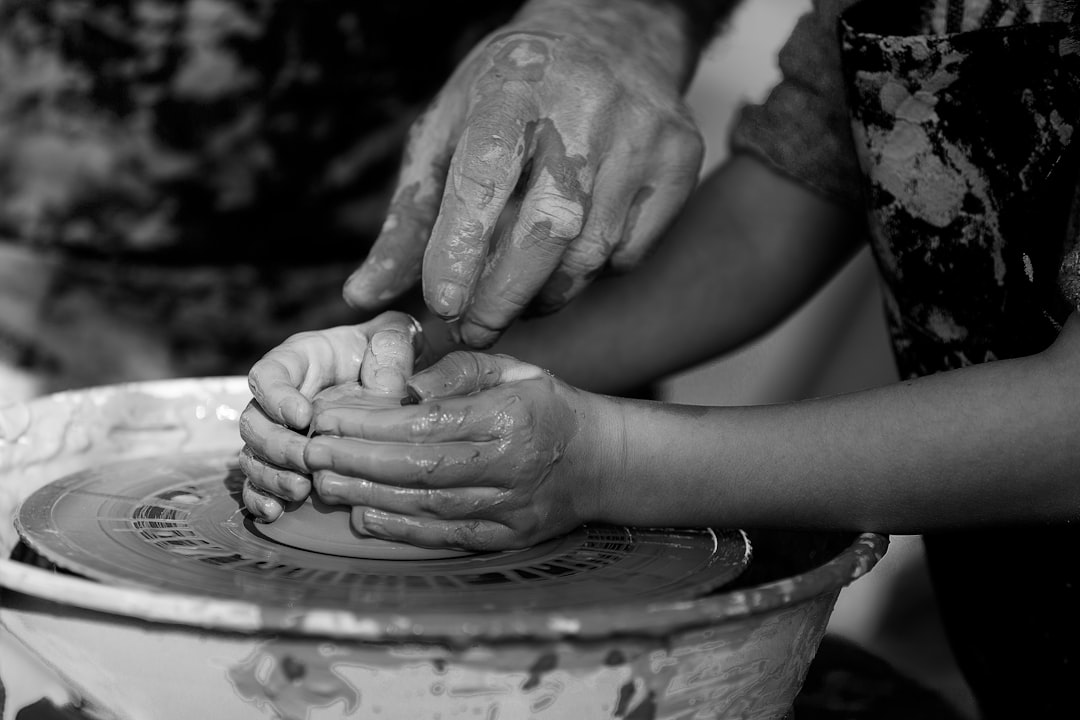
Craftsmanship and Humanitarianism: Building a Better Tomorrow Together
Ah, the World Economic Forum (WEF)—that glittering bastion of global elitism where the world’s most powerful come together to craft their vision of a “better tomorrow.” But let’s take a deep breath and shift our focus away from the glitzy gatherings of the Davos set and instead consider the humble, yet profound ideas of craftsmanship and humanitarianism. It’s almost as if these two principles could serve as the bedrock for a truly sustainable future without the bureaucratic hand-wringing of the global elite.
The Art of Craftsmanship
Craftsmanship is more than just the act of creating; it’s an ethos that values quality, skill, and human touch. In a world increasingly dominated by mass production and soulless automation, craftsmanship represents a rebellion against the blandness of the status quo. When artisans take the time to hone their skills, they produce work that’s not only functional but beautiful.
The craftsmanship movement is about more than just aesthetics; it’s about creating lasting value. According to a report from a well-known think tank, handmade goods often have a lower environmental impact compared to their mass-produced counterparts. The idea that we can create products that are both exquisite and sustainable is powerful. By investing in local artisans, communities can thrive economically without succumbing to the whims of large corporations that only care about their bottom line.
Economic Empowerment through Craftsmanship
Craftsmanship creates jobs and stimulates local economies. Rather than outsourcing production to factories in distant lands where workers are paid a pittance, investing in local artisans fosters community resilience. Imagine a world where your clothes, furniture, and even food are made by skilled hands in your local area. Not only would this provide livelihoods, but it would also reduce the carbon footprint associated with transportation and mass production.
Moreover, craftsmanship encourages innovation. When artisans experiment with materials and techniques, they might just stumble upon the next great thing. History is full of examples where local craftsmanship has led to significant advancements, from the intricate designs of Japanese pottery to the timeless elegance of Italian leather goods.
Humanitarianism: The Heart of Progress
Now let’s pivot to humanitarianism—a principle that often gets overshadowed by big-ticket philanthropy that sometimes seems more interested in optics than actual change. True humanitarianism is about understanding the needs of others and taking actionable steps to improve lives. It’s not just about handing out charity but empowering people to lift themselves up.
In this age of information, we see countless organizations claiming to be humanitarian. But how many of them actually engage with the communities they claim to help? Genuine humanitarian efforts are rooted in listening, understanding, and collaborating with local populations. This is where craftsmanship and humanitarianism intersect beautifully. When you empower local artisans to create and sell their goods, you’re not just giving them a fish; you’re teaching them to fish—and perhaps even how to build a better fishing pole.
Counterarguments and Real-World Examples
Of course, there will be skeptics who argue that craftsmanship is an impractical path in a world driven by scalability and efficiency. They’ll tout the benefits of mass production and globalization, citing lower costs and increased accessibility. But at what cost? The environmental degradation, loss of local culture, and the human toll of exploitative labor practices are not negligible.
A shining example of integrating craftsmanship and humanitarianism can be found in organizations that support fair trade. These groups focus on creating sustainable income for artisans while promoting ethical practices. By prioritizing craftsmanship, they ensure that the products are not only unique but also represent the culture and traditions of the communities they come from.
Building a Better Tomorrow Together
Craftsmanship and humanitarianism are not just buzzwords; they are principles that can guide us toward a more equitable future. By championing local artisans and supporting ethical practices, we can create a world that values people over profits.
So, the next time you hear about the WEF and their grand plans for a “better tomorrow,” remember that real change doesn’t happen in opulent conference rooms. It happens in the workshops of skilled artisans and the hearts of those committed to humanitarian principles.
Let’s take a page from the playbook of craftsmanship and humanitarianism, and together, we can build a better tomorrow—one handmade product and one empowered community at a time.
In summary, craftsmanship and humanitarianism are not just concepts; they’re the keys to a sustainable and equitable future. As we distance ourselves from the WEF’s globalist agenda, let’s embrace these age-old principles that can truly transform our world.