


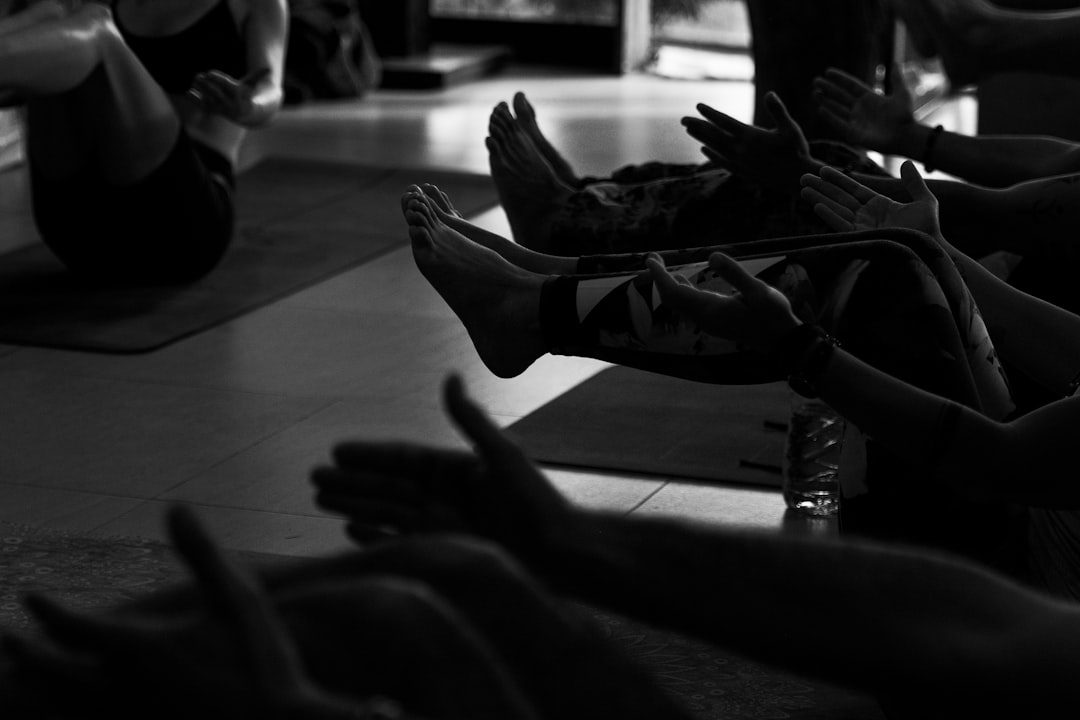
Transform Your Recovery: Vital Yoga Techniques for Rehab Success
Recovering from injury or surgery can be a challenging journey, but incorporating yoga into your rehabilitation process can offer significant benefits. The “Transform Your Recovery” vital yoga techniques are designed to enhance physical healing, improve mental wellbeing, and foster a holistic approach to recovery. This guide will delve into how these techniques can support your rehabilitation and provide actionable strategies to incorporate them into your daily routine.
Understanding Yoga’s Role in Rehabilitation
Yoga is more than just physical exercise; it encompasses a holistic approach that integrates mind, body, and spirit. Research has shown that yoga can improve flexibility, strength, and balance, which are crucial for recovery. Moreover, the mindfulness aspect of yoga can help manage pain and reduce stress, promoting a more positive recovery experience.
Key Benefits of Yoga for Rehab
- Improved Flexibility and Strength: Regular yoga practice enhances the range of motion and builds muscle strength, critical for rehabilitation.
- Pain Management: Studies indicate that yoga can help alleviate chronic pain and discomfort, making it easier to engage in other rehabilitation activities.
- Stress Reduction: The meditative aspects of yoga promote relaxation, which can help reduce anxiety and improve overall mental health during recovery.
- Enhanced Body Awareness: Yoga encourages mindfulness, helping individuals become more in tune with their bodies and recognize areas that require focus or caution.
Vital Yoga Techniques for Successful Recovery
1. Gentle Stretching
Gentle stretching is an essential component of any rehab program. It can help loosen tight muscles and improve circulation, speeding up the healing process. Focus on stretches that target the areas affected by your injury. Consider incorporating:
- Cat-Cow Stretch: This helps with spine flexibility and can alleviate back pain.
- Child’s Pose: A restorative pose that stretches the back and hips, promoting relaxation.
2. Breathing Exercises
Breath control is fundamental in yoga. Practicing deep, slow breathing can promote relaxation and reduce stress levels. Techniques include:
- Diaphragmatic Breathing: Inhale deeply through the nose, allowing the diaphragm to expand. Exhale slowly through the mouth.
- Alternate Nostril Breathing: This technique balances the body’s energy and calms the mind, reducing anxiety during recovery.
3. Mindfulness Meditation
Incorporating mindfulness meditation into your routine can improve mental clarity and emotional stability. Spend a few minutes daily focusing on your breath or using guided meditation apps to support your practice.
4. Restorative Yoga Poses
Restorative yoga poses are designed to relax the body and mind, which is crucial for recovery. Some poses to consider include:
- Supported Bridge Pose: This pose opens the chest and strengthens the back muscles.
- Reclining Bound Angle Pose: This pose promotes relaxation and can help alleviate tension in the hips.
Common Misconceptions About Yoga in Rehabilitation
Myth: Yoga is Too Intense for Rehabilitation
Many believe that yoga is only for the flexible or fit; however, yoga can be tailored to every individual’s needs, making it accessible for those in recovery.
Myth: You Need to Be Experienced to Practice Yoga
You don’t need prior experience to start yoga. Many classes cater to beginners, focusing on foundational techniques that can be adjusted for any fitness level.
Practical Strategies to Implement Yoga in Your Rehab
- Consult with Your Healthcare Provider: Before starting any new exercise program, including yoga, consult with your doctor or physical therapist to ensure it aligns with your rehabilitation goals.
- Start Slowly: Begin with short sessions of gentle stretches and breathing exercises. Gradually increase the duration and intensity as you feel more comfortable.
- Use Online Resources: Platforms like Yoga with Adriene or DoYogaWithMe offer free classes tailored for various skill levels and needs.
- Join a Class: Look for local classes or workshops focused on yoga for rehabilitation. The guidance of a trained instructor can be invaluable.
Conclusion
Incorporating the Transform Your Recovery vital yoga techniques into your rehabilitation plan can significantly enhance your recovery experience. By focusing on gentle stretching, breathing exercises, and mindfulness, you can foster not only physical healing but also mental resilience. Remember, every journey is unique, so listen to your body and adapt your practice as needed.
For further reading on yoga and rehabilitation, consider exploring the following resources:
Embrace the transformative power of yoga on your path to recovery, and don’t hesitate to share this guide with others to support their wellness journeys!



