


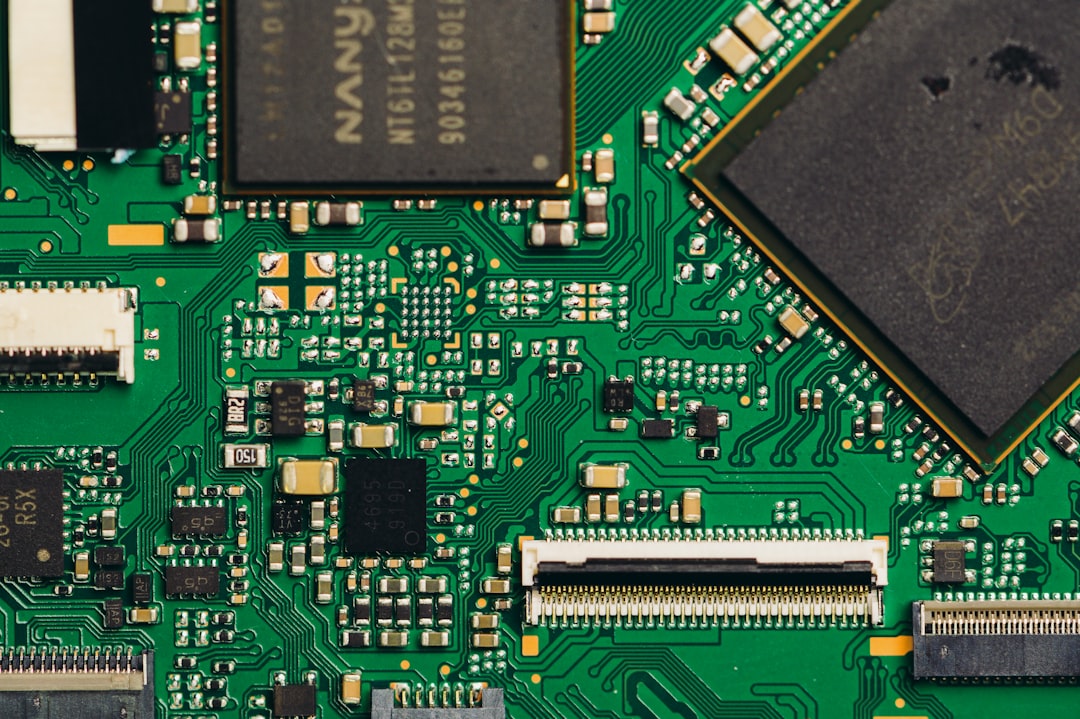
Unlocking the Power of Modal Processors in Digital Ecosystems
In a world where digital ecosystems are increasingly complex and interwoven, the role of modal processors is becoming more pivotal than ever. Modal processors enable the seamless integration of various digital components and applications, offering a robust solution for managing and optimizing processes across diverse platforms. This article delves into the significance of modal processors in digital ecosystems, their practical applications, and emerging trends that are shaping the future of technology.
What are Modal Processors?
Modal processors are specialized systems designed to handle multiple modes of operation within a digital ecosystem. They facilitate communication and interoperability between different applications, services, and devices. By employing a modal approach, organizations can effectively manage workflows, streamline operations, and enhance user experiences.
Key Features of Modal Processors
-
Interoperability: Modal processors allow diverse systems to communicate, regardless of their underlying technologies. This is especially crucial in environments where legacy systems need to interact with modern applications.
-
Scalability: As digital ecosystems grow, modal processors can easily scale to accommodate increased loads and new functionalities without significant overhauls.
-
Flexibility: Modal processors can adapt to various operational modes, making them versatile for different use cases, from real-time data processing to batch operations.
Current Developments in Modal Processing
Recent advancements in artificial intelligence (AI) and machine learning (ML) have significantly enhanced the capabilities of modal processors. AI-powered modal processors can analyze vast amounts of data to optimize decision-making processes. For instance, companies like Microsoft and Google are leveraging AI to improve the efficiency and effectiveness of their modal processing frameworks.
Case Study: Smart Cities and Modal Processors
One of the most compelling applications of modal processors is in the development of smart cities. In cities like Barcelona, modal processors are utilized to manage various urban services, such as traffic control, waste management, and public transportation. By integrating data from sensors and devices, these processors enable real-time monitoring and decision-making, improving the overall quality of life for citizens.
Emerging Trends in Modal Processing
1. Integration with IoT
The Internet of Things (IoT) is transforming how we interact with the digital world. Modal processors are increasingly being integrated with IoT devices, allowing for enhanced data collection and analysis. This integration enables businesses to make data-driven decisions, optimize operations, and create personalized customer experiences.
2. Cloud-Based Modal Processing
Cloud technology is revolutionizing modal processing by providing scalable and flexible solutions. With cloud-based modal processors, organizations can deploy and manage their applications efficiently. This trend is particularly advantageous for startups and small businesses, which may lack the infrastructure for on-premise solutions.
3. Emphasis on Security
As modal processors become central to digital ecosystems, ensuring their security is paramount. Recent developments emphasize the need for robust cybersecurity measures to protect data integrity and privacy. Organizations are adopting advanced encryption techniques and multi-factor authentication to secure their modal processing systems.
Expert Opinions on Modal Processors
According to Dr. Emily Turner, a leading expert in digital transformation, “Modal processors are the backbone of modern digital ecosystems. Their ability to facilitate communication between disparate systems is crucial for businesses aiming to remain competitive in today’s fast-paced environment.”
Practical Applications of Modal Processors
1. E-commerce Platforms
Modal processors can optimize inventory management, streamline payment processing, and enhance customer engagement through personalized marketing strategies.
2. Healthcare Systems
In healthcare, modal processors enable seamless data exchange between different systems, allowing for better patient care, improved diagnostics, and efficient resource management.
3. Financial Services
Financial institutions utilize modal processors to manage risk assessment, fraud detection, and compliance reporting, ensuring streamlined operations and regulatory adherence.
Further Reading and Resources
To deepen your understanding of modal processors and their applications in digital ecosystems, consider exploring the following resources:
- Modal Processing in IoT: A Comprehensive Guide
- The Future of Modal Processors in Smart Cities
- Best Practices for Securing Modal Processing Systems
By exploring these resources, you can expand your knowledge and stay updated on the latest trends in modal processing.
As the digital landscape continues to evolve, embracing the power of modal processors will be essential for organizations looking to thrive in this interconnected world. Consider experimenting with modal processing tools and integrating them into your operations to unlock new efficiencies and innovations. Share this article with your network to spread awareness about the transformative potential of modal processors in digital ecosystems!



