


Revolutionizing Connectivity with Distributed Port Gateways
In an era where connectivity is paramount, the emergence of Distributed Port Gateways (DPGs) is set to revolutionize how devices communicate across networks. These innovative systems enable seamless integration of multiple devices, enhancing the efficiency and reliability of connectivity solutions. This article delves into the mechanics, benefits, and applications of Distributed Port Gateways, highlighting their potential to transform the technological landscape.
What are Distributed Port Gateways?
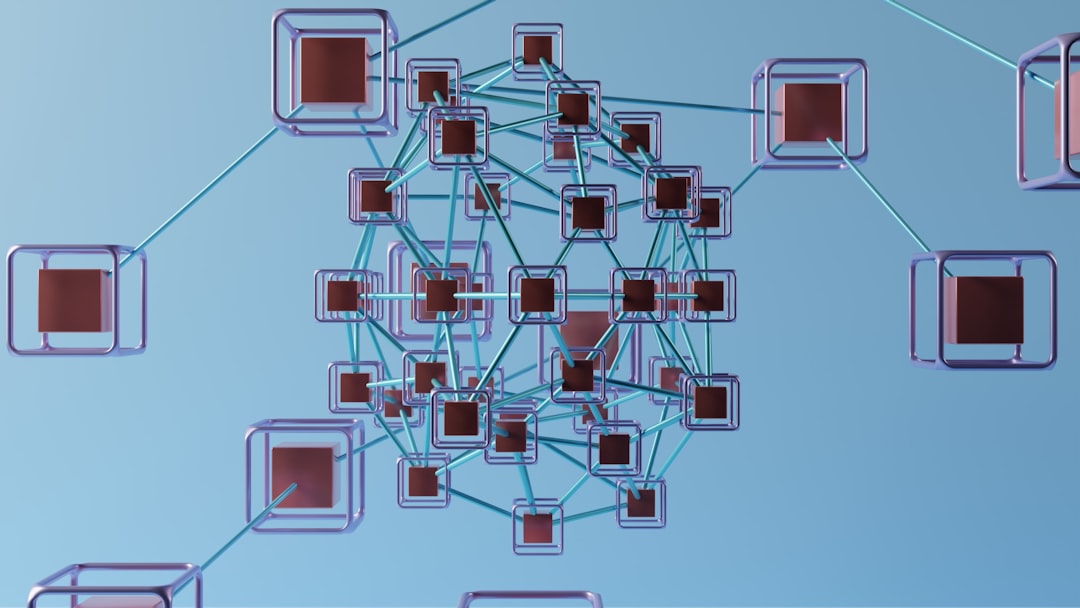
Distributed Port Gateways are networking devices that manage traffic between various endpoints in a distributed system. Unlike traditional gateways that function as centralized points, DPGs decentralize the responsibility of data handling, allowing multiple nodes to process and forward data. This approach enhances scalability, reduces latency, and increases fault tolerance in network operations.
Key Features of Distributed Port Gateways
- Decentralization: By distributing the processing load, DPGs eliminate bottlenecks associated with centralized systems.
- Scalability: Organizations can easily add or remove nodes without disrupting network operations, enabling flexible resource management.
- Enhanced Security: DPGs can implement localized security protocols, reducing the risk of widespread vulnerabilities.
- Real-Time Data Processing: With DPGs, data can be processed and acted upon closer to its source, facilitating quicker responses to changes in the network environment.
Current Developments in Distributed Port Gateways
As industries increasingly adopt IoT and edge computing, the demand for Distributed Port Gateways has surged. Emerging trends include:
- Integration with IoT Platforms: DPGs are being integrated into IoT ecosystems, allowing for efficient device management and data collection.
- Collaboration with Cloud Services: Organizations leverage DPGs to optimize data flow between local devices and cloud services, ensuring that critical data is processed where it is needed most.
- Adoption in Smart Cities: Cities are implementing DPGs to manage traffic systems, public safety networks, and utility services, enhancing overall urban connectivity.
For instance, a recent case study highlighted how a smart city initiative utilized DPGs to streamline public transportation systems. By deploying these gateways, the city improved communication between buses, traffic signals, and passenger information systems, resulting in reduced commute times and enhanced rider satisfaction.
Practical Applications of Distributed Port Gateways
Distributed Port Gateways have far-reaching applications across various sectors:
- Healthcare: In hospitals, DPGs facilitate real-time monitoring of medical devices, allowing healthcare professionals to respond swiftly to critical situations.
- Manufacturing: In smart factories, DPGs connect machinery and sensors, providing insights into production efficiency and machine health.
- Telecommunications: Service providers use DPGs to manage network traffic efficiently, enhancing service delivery and customer satisfaction.
Expert Opinions on DPGs
Industry experts emphasize the transformative impact of Distributed Port Gateways on connectivity. According to a leading technology analyst, “The shift towards decentralized networking solutions, like DPGs, represents a critical evolution in how we approach connectivity. These systems not only optimize current processes but also lay the groundwork for future innovations in communication technology.”
Challenges and Considerations
While Distributed Port Gateways offer numerous advantages, they are not without challenges. Organizations must consider:
- Implementation Complexity: Transitioning to a DPG system may require significant changes to existing infrastructure.
- Management Overhead: Decentralization can introduce complexity in monitoring and maintaining network performance.
- Interoperability Issues: Ensuring compatibility across diverse devices and platforms can be challenging.
Conclusion
The rise of Distributed Port Gateways marks a significant advancement in connectivity technology, providing organizations with the tools needed to navigate an increasingly interconnected world. As industries continue to explore the capabilities of DPGs, it is clear that these systems will play a vital role in shaping the future of communication.
For those interested in diving deeper into the world of Distributed Port Gateways, consider exploring resources such as the Internet Engineering Task Force (IETF) for standards and protocols, or IEEE Xplore for research papers on related technologies.
To stay updated on the latest trends in connectivity and technology, consider subscribing to newsletters from reputable tech sites or following industry leaders on social media. Share this article with others who might benefit from understanding how Distributed Port Gateways are revolutionizing the landscape of connectivity!