


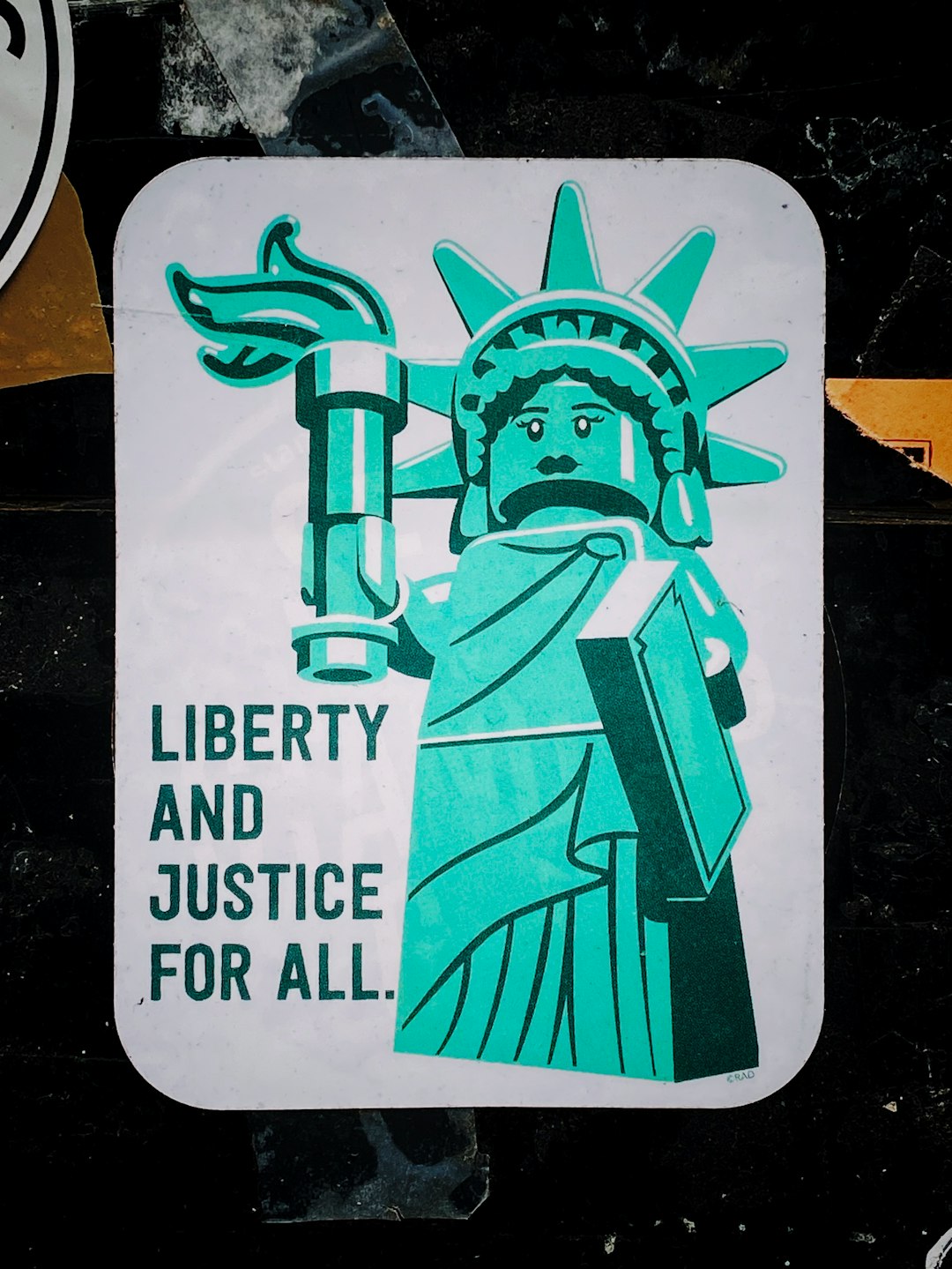
The Judiciary’s Duty: Safeguarding Liberty in a Changing World
In a world that seems to oscillate between dystopian fantasies and utopian dreams, the role of the judiciary has never been more crucial. As we watch the World Economic Forum gather the global elite to discuss their vision for a “better” world, one cannot help but wonder: who is actually safeguarding our liberties? Spoiler alert: it better not be Klaus Schwab and his merry band of globalists.
The Importance of an Independent Judiciary
The judiciary serves as a cornerstone of democracy, ensuring that laws are applied fairly and justly. In a time when the lines between government, corporate interests, and personal freedoms blur, the role of an independent judiciary is indispensable. It functions as a bulwark against the encroachment of government overreach and corporate power, both of which are eager to trample individual liberties in pursuit of profit and control.
Take, for instance, recent legislative efforts aimed at expanding surveillance under the guise of public safety. While many are quick to surrender their rights for a false sense of security, it is the judiciary that must stand firm against such encroachments. The courts have a duty to interpret the law in a manner that protects individual liberties, even when public sentiment leans toward compliance with authority.
A Changing World Requires Vigilance
As our world changes, so do the challenges to our liberties. The rise of technology has not only transformed how we communicate but has also given governments unprecedented capabilities to surveil and control. The judiciary must adapt, interpreting laws in a way that considers these new realities. Our rights to privacy, free speech, and due process are continually under threat from both the state and private entities that prioritize profit over people.
Just look at the recent trends in social media censorship. While platforms like it might argue that they are just private businesses exercising their rights, the reality is that they often act as gatekeepers of information. This is where the judiciary must step in, ensuring that individuals can freely express their thoughts without the fear of being silenced by corporate policies that reflect the whims of a few elites.
Counterarguments: A Balancing Act
Some may argue that the judiciary’s involvement in social issues can lead to judicial activism, where judges impose their personal beliefs over the will of the people. However, this argument often misses the point. The judiciary’s duty is not to reflect popular opinion but to uphold the Constitution and protect individual rights. In cases where legislative bodies fail to act, the judiciary is often the last line of defense against tyranny, whether it comes from the government or from corporations wielding disproportionate influence.
Moreover, the concept of “judicial overreach” is frequently weaponized by those who wish to limit the judiciary’s power to check abuses of authority. But without this oversight, we risk a slippery slope into authoritarianism, where the rights of the individual are secondary to the whims of the majority or the powerful.
Real-World Examples
Consider the landmark case in which the judiciary stepped in to protect voting rights against discriminatory laws. This not only safeguarded the integrity of the electoral process but also upheld the principles of equality and justice. The judiciary’s power to interpret the law in a way that protects the vulnerable is a critical aspect of its duty.
The recent challenges to freedom of speech on college campuses illustrate another area where the judiciary must take a stand. As students face censorship for expressing controversial opinions, the courts have a responsibility to reaffirm that free speech is not just for popular ideas but for all ideas, no matter how uncomfortable they may be.
Conclusion: The Role of the Judiciary in a Globalized World
In an era where globalism threatens to dilute national sovereignty and individual rights, the judiciary’s role in safeguarding liberty cannot be overstated. As we navigate a changing world, we must call on our courts to be vigilant in their duty. The stakes are high, and the price of complacency is too great. If we allow the judiciary to become a mere extension of the political landscape, we will lose the very freedoms that define our society.
So, as we watch the elites at the WEF plot their next move, let’s remember that the true guardians of our liberty are not found in the halls of global forums, but rather in the integrity of our judiciary. In this ever-changing world, we must hold them to their duty—safeguarding liberty above all else.