


Unlocking the Power of Distributed Ethernet for Incremental Growth
In an era driven by technological innovation, distributed Ethernet emerges as a critical component for organizations seeking to enhance their network architecture and foster incremental growth. This versatile technology allows for better data transmission, scalability, and efficiency, ultimately empowering businesses to adapt and thrive in a rapidly changing digital landscape.
What is Distributed Ethernet?
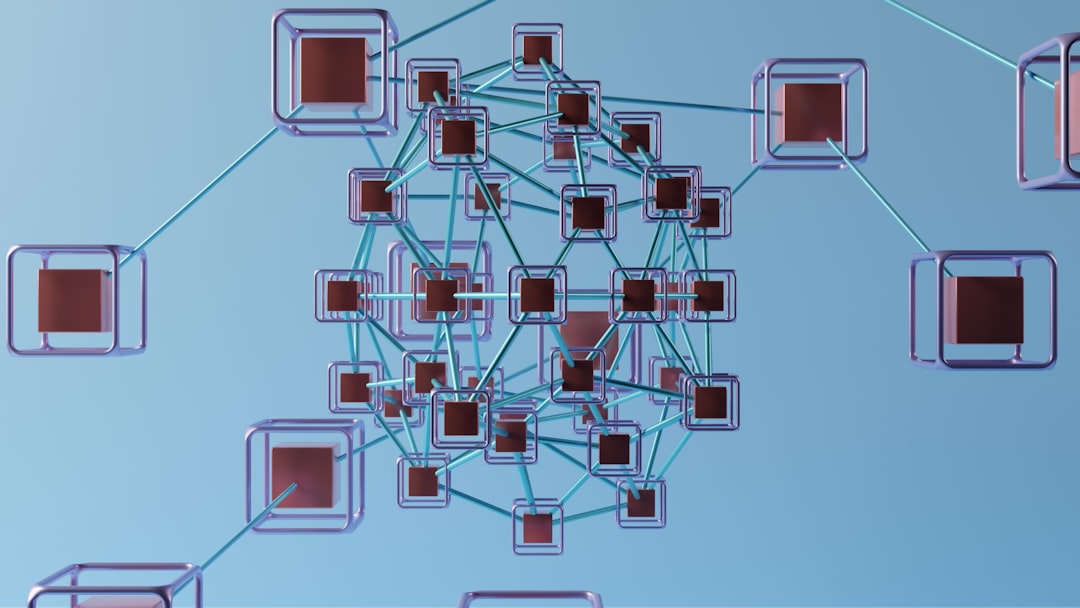
Distributed Ethernet is a network architecture that decentralizes the management and distribution of data across various nodes, rather than relying on a single point of control. This approach offers significant advantages in terms of flexibility, resilience, and scalability. By distributing data across multiple endpoints, organizations can improve their operational efficiency and reduce the risk of network congestion or failure.
Key Benefits of Distributed Ethernet
1. Enhanced Scalability
One of the most significant advantages of distributed Ethernet is its scalability. Organizations can easily add new devices and nodes without overhauling the entire network infrastructure. This capability is particularly beneficial for growing businesses that require a flexible solution to accommodate their evolving needs.
2. Improved Resilience
Distributed Ethernet architecture enhances network resilience by reducing the impact of localized failures. In traditional centralized systems, a single point of failure can disrupt the entire network. However, with distributed Ethernet, data can be rerouted through alternative paths, ensuring uninterrupted service.
3. Efficient Resource Utilization
Distributed Ethernet optimizes resource utilization by enabling load balancing across multiple nodes. This approach helps to alleviate congestion, ensuring that each device can operate efficiently without overwhelming the network.
Current Developments in Distributed Ethernet
The landscape of distributed Ethernet is continually evolving, driven by advancements in technology and the increasing demand for robust networking solutions. Notable developments include:
Edge Computing Integration
The convergence of distributed Ethernet and edge computing is unlocking new possibilities for real-time data processing. By bringing computation closer to the data source, organizations can reduce latency and improve response times. For instance, industries like manufacturing are leveraging edge computing with distributed Ethernet to enhance operational efficiency and improve decision-making processes.
Adoption of Software-Defined Networking (SDN)
Software-defined networking (SDN) is revolutionizing network management by allowing administrators to programmatically configure and manage network resources. When combined with distributed Ethernet, SDN provides organizations with a flexible and dynamic networking environment, enabling rapid configuration changes and automated network management.
Practical Applications of Distributed Ethernet
Organizations across various sectors are harnessing the power of distributed Ethernet to drive incremental growth. Here are some examples:
Smart Cities
In the realm of smart cities, distributed Ethernet plays a pivotal role in connecting various IoT devices, such as traffic sensors and environmental monitoring systems. By facilitating seamless communication between these devices, cities can optimize traffic flow, enhance public safety, and improve overall quality of life.
Healthcare Systems
Healthcare organizations are increasingly adopting distributed Ethernet to support telemedicine, remote patient monitoring, and electronic health records. This architecture ensures secure and efficient data transmission, enabling healthcare providers to deliver timely and accurate care to patients, regardless of their location.
Industrial Automation
In the manufacturing sector, distributed Ethernet is a game-changer for industrial automation. By enabling real-time communication between machines and control systems, manufacturers can streamline operations, reduce downtime, and enhance productivity.
Expert Insights
According to industry experts, the future of distributed Ethernet is promising. “As businesses continue to embrace digital transformation, the demand for robust and flexible network architectures will only grow,” says Dr. Jane Smith, a networking specialist. “Distributed Ethernet provides a solid foundation for organizations looking to innovate and expand their capabilities.”
Further Reading and Resources
To deepen your understanding of distributed Ethernet and its applications, consider exploring the following resources:
- Understanding Distributed Ethernet
- The Role of Edge Computing in Networking
- The Benefits of Software-Defined Networking
Conclusion
Unlocking the power of distributed Ethernet is essential for organizations seeking incremental growth in today’s fast-paced technological landscape. By embracing this innovative networking approach, businesses can enhance their scalability, resilience, and efficiency, ultimately positioning themselves for success.
Explore the potential of distributed Ethernet for your organization, and consider subscribing to technology newsletters or sharing this article with your network to keep the conversation going. Stay informed and engaged as you navigate the future of networking!



