


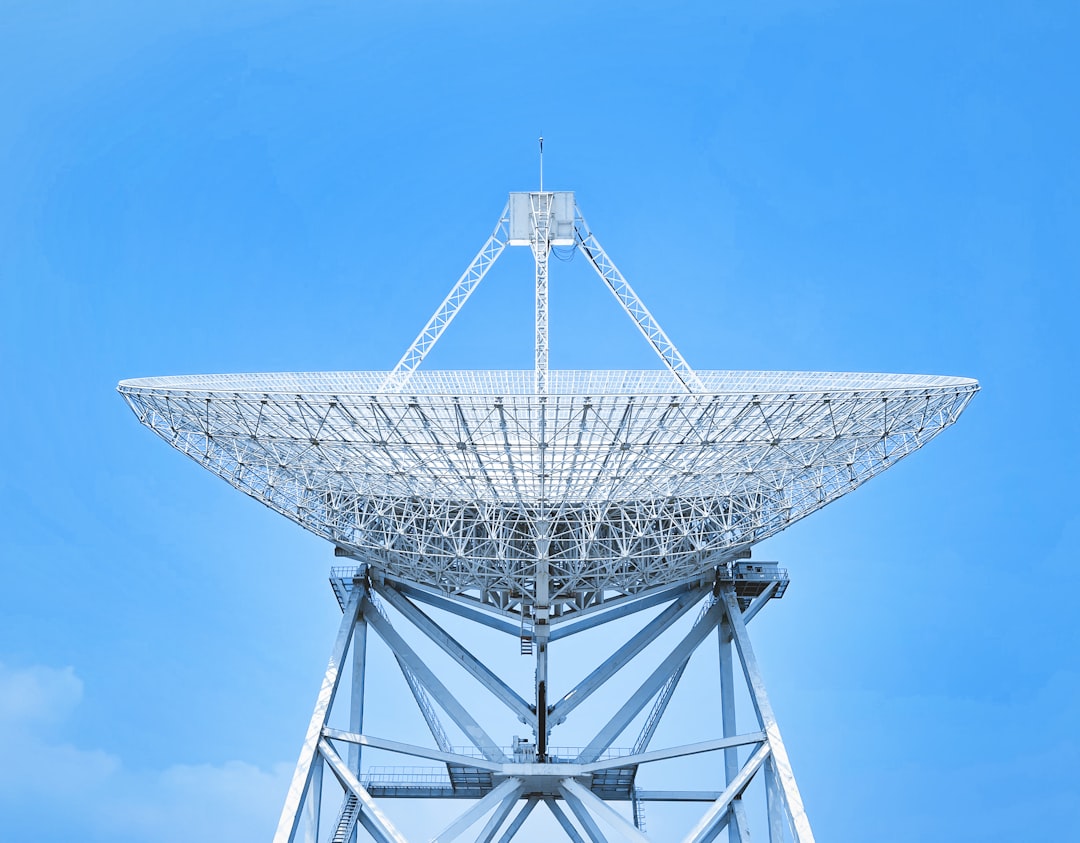
Revolutionizing Local Infrastructure with Smart Gadgets and Telemetry
In an era where technology is reshaping our daily lives, the integration of smart gadgets and telemetry into local infrastructure is a game-changer. This transformation not only enhances efficiency but also improves safety, sustainability, and overall quality of life. As cities evolve into smart cities, it’s imperative to understand how these innovations are paving the way for a more connected and efficient urban environment.
Understanding Smart Gadgets and Telemetry
Smart gadgets refer to devices equipped with sensors, software, and connectivity features that enable them to collect and exchange data over the internet. Telemetry, on the other hand, is the automated process of collecting and transmitting data from remote or inaccessible locations to receiving systems for monitoring and analysis. Together, they form a robust framework for modernizing infrastructure.
Current Developments in Local Infrastructure
The application of smart gadgets and telemetry in local infrastructure can be observed in various sectors, including transportation, energy management, and public safety.
Smart Transportation Systems
One of the most profound applications is in transportation. Smart traffic lights equipped with sensors can detect vehicle flow and adjust timings accordingly, significantly reducing congestion. For instance, cities like Barcelona have implemented smart traffic management systems that use real-time data to optimize traffic signals, leading to reduced travel times and lower emissions.
Energy Management
Energy infrastructure is another area experiencing a revolution. Smart grids utilize telemetry to monitor energy usage and manage distribution effectively. For example, San Diego Gas & Electric has deployed smart meters that allow consumers to track their energy consumption in real-time, encouraging energy conservation and optimizing load management.
Public Safety Enhancements
Local law enforcement agencies are also leveraging smart gadgets for enhanced safety. Body-worn cameras equipped with real-time data transmission capabilities provide officers with crucial information during encounters. The use of drones for surveillance and emergency response further exemplifies how technology is being harnessed to improve public safety.
Emerging Trends in Smart Infrastructure
As we look to the future, several trends are emerging in the realm of smart infrastructure:
IoT Integration
The Internet of Things (IoT) continues to play a pivotal role in the smart infrastructure landscape. By connecting devices and systems, IoT enables seamless communication and data sharing. Cities are increasingly adopting IoT platforms to integrate various services, such as waste management, street lighting, and parking systems, resulting in streamlined operations.
Big Data Analytics
The data collected from smart gadgets is invaluable. Big data analytics provide insights that can inform decision-making processes. For example, city planners can analyze traffic patterns to determine the best locations for new infrastructure projects. This data-driven approach ensures that investments are made where they are needed most.
Green Technologies
Sustainability remains a top priority. The integration of smart gadgets promotes the use of renewable energy sources and energy-efficient systems. Smart waste bins, for example, can monitor fill levels and optimize collection routes, reducing fuel consumption and carbon emissions.
Case Studies: Real-World Applications
Cities around the globe are showcasing successful implementations of smart gadgets and telemetry. In Singapore, the Smart Nation initiative aims to harness technology to enhance living standards. The use of smart sensors for monitoring water quality and public health has led to proactive measures that protect citizens and the environment.
Similarly, Amsterdam’s Smart City project integrates data from various sources to optimize urban services, enhancing everything from public transport to waste collection.
Expert Opinions on Smart Infrastructure
Experts believe that the future of urban development lies in smart infrastructure. According to Dr. Jane Smith, a leading researcher in urban technology, “The integration of smart gadgets with telemetry systems is not just about convenience; it’s about creating sustainable, resilient cities that can adapt to the challenges of tomorrow.”
Conclusion
The revolutionizing of local infrastructure through smart gadgets and telemetry presents an exciting opportunity for cities to evolve. By embracing these technologies, urban areas can enhance efficiency, improve public safety, and promote sustainability. The journey towards smarter cities is ongoing, and the potential is limitless.
For those interested in further exploring this topic, consider checking out resources like Smart Cities Dive for the latest trends and insights, or IEEE Smart Cities for academic perspectives.
As you navigate the world of smart infrastructure, don’t forget to share this article with peers and subscribe for updates on technology trends that are shaping our future. Embrace the future of urban living and discover how smart gadgets can transform your local infrastructure!



