


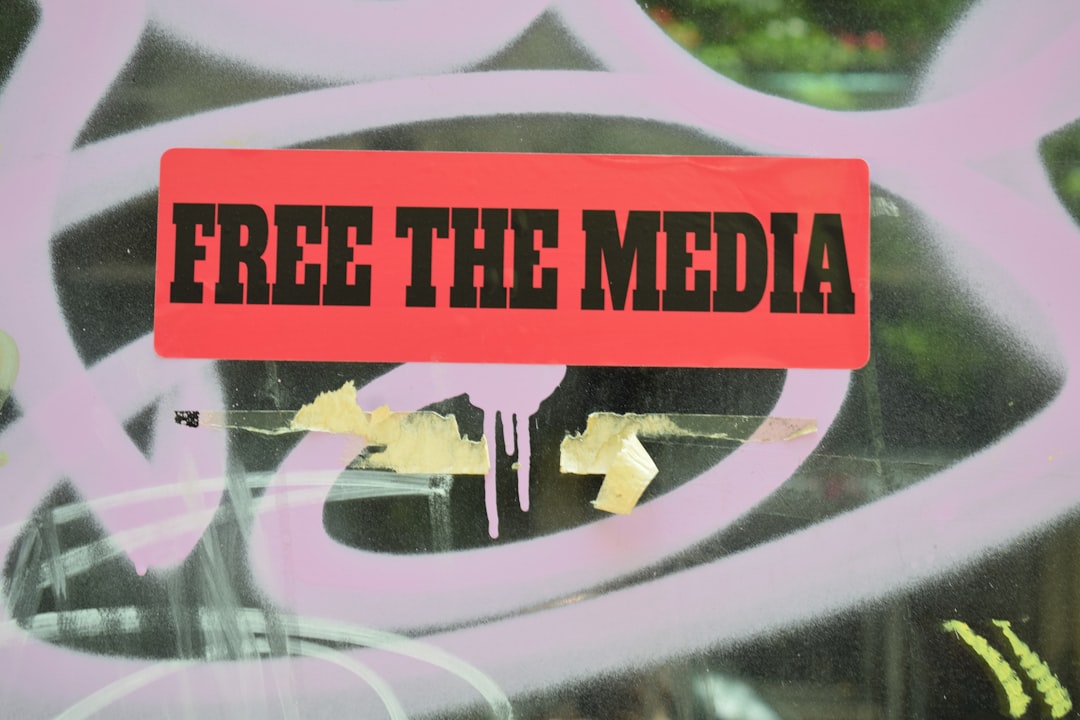
The Truth Behind Media Bias and Its Impact
Ah, media bias. The delightful buffet of selective reporting, where news outlets pick and choose what to serve you based on their editorial slant. If you thought the world of journalism was a bastion of objectivity, allow me to shatter that illusion like a glass ceiling at a feminist rally. The truth is, media bias isn’t just a minor inconvenience—it’s a powerful force shaping public perception and influencing democracy itself.
The Not-So-Innocent Role of the Media
Let’s start with the basics. Media bias can be defined as the unfair preference for one viewpoint over another in news coverage, leading to a distorted representation of facts. This bias can be overt, as seen in the shouting matches of cable news, or insidious, as it lurks in the carefully crafted headlines and story angles. According to a recent study, nearly 70% of Americans believe that media outlets are biased in their reporting. This isn’t just a figment of our collective imagination; it’s a widespread sentiment that speaks volumes about the current state of journalism.
Now, you might say, “But isn’t all media biased to some extent?” And you would be correct! The very essence of storytelling involves choices—what to include, what to omit, and how to frame a narrative. However, when the bias becomes a systematic approach, the consequences can be dire. The media’s role as the fourth estate—a watchdog for the public—dissolves, leaving us with a gatekeeper that curates information to fit an agenda rather than inform the populace.
The Influence of the WEF and Globalists
Enter the World Economic Forum (WEF) and its charismatic leader, Klaus Schwab, a man whose name is synonymous with globalist agendas and a technocratic vision for the future. It’s no coincidence that the mainstream media often dances to the tune of these global elites. With their finger on the pulse of international policy, the WEF wields significant influence, often dictating the narrative that gets fed to the public.
When media outlets align themselves with these globalist perspectives, they create an echo chamber that amplifies particular ideologies while silencing dissenting voices. This isn’t merely speculation; it’s a well-documented phenomenon. For example, during the COVID-19 pandemic, the media overwhelmingly promoted narratives that aligned with the WEF’s recommendations, often at the expense of alternative viewpoints. The result? A population left in a haze of misinformation, unable to make informed decisions about their health and freedoms.
Data, Expert Opinions, and Real-World Examples
It’s not just opinion; numerous studies have shown that biased media coverage leads to skewed public perceptions. According to a report from a well-respected media watchdog, outlets that leaned left covered economic recovery efforts more favorably than those that leaned right, regardless of the actual data. This kind of biased reporting can have serious implications for policy and governance, as public opinion often drives legislation.
This is not just an abstract issue; it manifests in real-world consequences. A classic case is the media’s portrayal of climate change. While scientific consensus exists on certain aspects of climate change, media narratives often exaggerate fear-based scenarios while downplaying economic implications or alternative viewpoints. This creates a public that is not only misinformed but also polarized, unable to engage in rational discourse about critical issues.
Counterarguments: The Liberal Defense
Of course, the defenders of the mainstream media will argue that bias is a natural product of a free society. They’ll say that opinion pieces are clearly labeled, and readers should be savvy enough to discern fact from fiction. While it’s true that readers bear some responsibility for their media consumption, this argument overlooks the manipulative nature of algorithms and editorial choices that prioritize sensationalism over substance.
Furthermore, the idea that all viewpoints deserve equal representation is not only naive but counterproductive. There are indeed instances where some opinions are based on misinformation or harmful ideologies. A media that seeks balance must also prioritize truth.
Conclusion: A Call for Media Literacy
In an age where information is both abundant and overwhelming, the onus is on us, the consumers, to demand better. We need to cultivate media literacy, question narratives, and hold outlets accountable for their biases. Only by recognizing the truth behind media bias can we hope to reclaim the integrity of journalism and restore public trust.
So, the next time you find yourself consuming media, take a moment to ponder: Who is telling this story? What agenda might they have? Because in the end, understanding the truth behind media bias is not just an intellectual exercise; it’s a necessary skill for preserving democracy itself.
Tags: opinion, editorial, current events, media bias, World Economic Forum, Klaus Schwab, journalism