

Enhancing User Experience in Cloud Computing with Drones
The intersection of cloud computing and drone technology is revolutionizing how businesses operate and interact with their customers. By leveraging the capabilities of both technologies, organizations can enhance user experience in unprecedented ways. This article explores current developments, emerging trends, and practical applications in the realm of enhancing user experience through the integration of cloud computing and drones.
The Role of Cloud Computing in Drone Technology
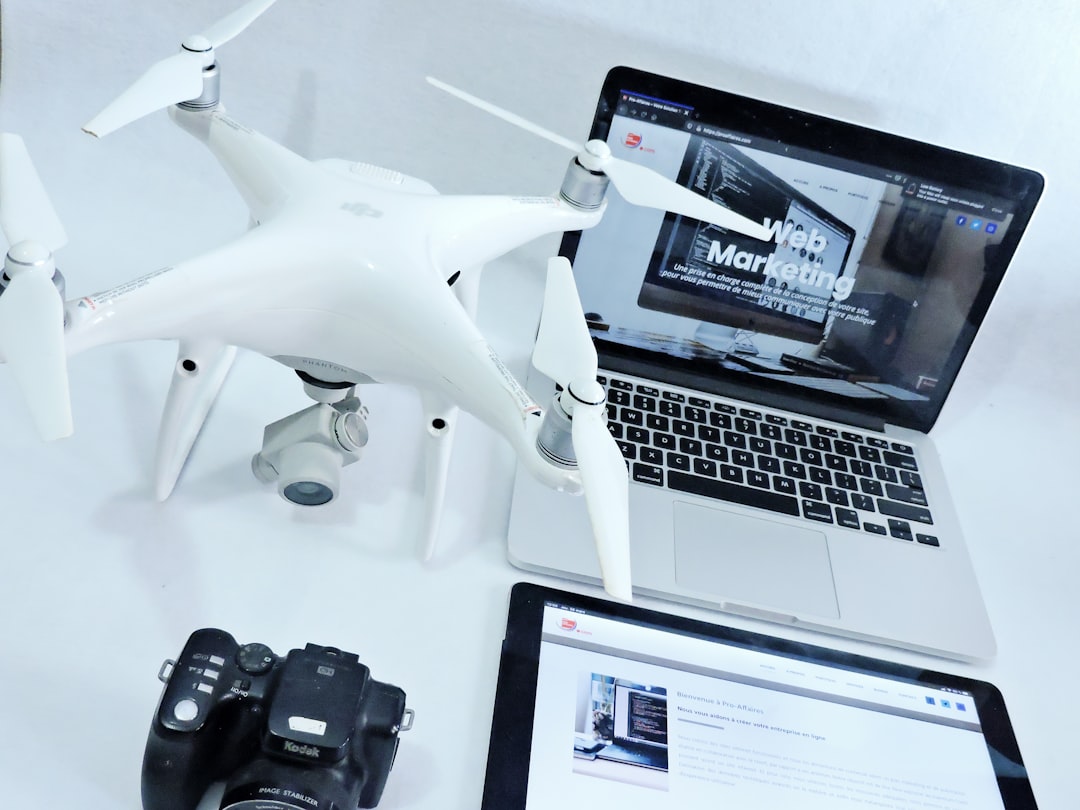
Cloud computing provides the backbone for data storage, processing, and analysis required to operate drones efficiently. Drones generate substantial amounts of data, from high-resolution images to video feeds and telemetry information. Storing and processing this data in the cloud allows businesses to streamline operations, access real-time information, and make data-driven decisions.
Real-Time Data Processing
By utilizing cloud platforms, data from drones can be processed in real-time, allowing organizations to react swiftly to changing conditions. For example, in agriculture, farmers can monitor crop health through drone imagery. By analyzing this data in the cloud, they can make informed decisions on irrigation and fertilization, ultimately enhancing crop yield and quality.
# Example of uploading drone data to cloud storage
gsutil cp local_image.jpg gs://my-bucket/drones/
Enhancing User Experience Through Drones
Delivery Services
One of the most visible applications of drones is in delivery services. Companies like Amazon and Google are exploring drone delivery systems that leverage cloud computing for route optimization and package tracking. By integrating user preferences and historical data stored in the cloud, these systems can tailor delivery experiences, ensuring that packages arrive on time and in optimal conditions.
Aerial Inspections
Drones equipped with cameras and sensors can perform aerial inspections of infrastructure such as bridges, power lines, and buildings. By analyzing inspection data in the cloud, organizations can provide detailed reports to clients, enhancing transparency and trust. Companies like Skycatch have pioneered this approach, offering cloud-based solutions to analyze drone-captured data for construction and engineering projects.
Enhanced Customer Engagement
Drones can also elevate customer engagement through immersive experiences. For instance, tourism companies are utilizing drones to capture breathtaking aerial footage of destinations, which can be stored and shared via cloud platforms. This not only enhances the marketing efforts of these companies but also provides potential customers with a unique perspective, making their decisions easier.
Current Developments and Emerging Trends
As technology evolves, several trends are shaping the future of drone technology in conjunction with cloud computing.
Increased Autonomy
With advancements in artificial intelligence, drones are becoming increasingly autonomous. This autonomy is enhanced by cloud computing, which allows drones to process complex algorithms without requiring extensive onboard computing power. This trend is crucial for applications such as search and rescue missions, where real-time decision-making is critical.
Regulatory Compliance
Governments worldwide are establishing regulations for drone operations, particularly concerning safety and privacy. Cloud platforms can help businesses comply with these regulations by storing necessary flight data and providing an audit trail. For example, companies like AirMap offer cloud-based solutions that aid drone operators in navigating regulatory requirements.
Integration with IoT
The Internet of Things (IoT) is another area where drones and cloud computing converge. By integrating drones with IoT devices, businesses can collect and analyze data from multiple sources. For instance, in logistics, drones can monitor inventory levels in warehouses and send data to the cloud for inventory management, ensuring that stock levels are optimized.
Case Studies and Expert Insights
Several companies are leading the charge in enhancing user experience through the integration of drones and cloud computing. For instance, Zipline operates drone delivery services for medical supplies in remote areas. Their use of cloud technology enables them to coordinate deliveries and manage inventory efficiently, ultimately saving lives.
According to industry expert Dr. Jane Smith, “The future of user experience in cloud computing is tied to the synergy between drones and data analytics. Companies that harness this potential will not only improve operational efficiency but also significantly enhance customer satisfaction.”
Further Reading and Resources
For those interested in diving deeper into the world of cloud computing and drones, consider exploring these resources:
- Amazon Web Services (AWS) for Drone Solutions
- Drones and Data: The Future of Aerial Imagery
- Skycatch: A Complete Cloud Solution for Drones
As you explore these resources, consider subscribing to newsletters or joining communities focused on drone technology and cloud computing. Engaging with others in the field can provide valuable insights and opportunities for collaboration.
In conclusion, the integration of cloud computing with drone technology is set to redefine user experiences across various industries. By embracing these innovations, organizations can not only enhance their operational efficiencies but also deliver superior service to their customers, ensuring they stay ahead in a competitive landscape.