


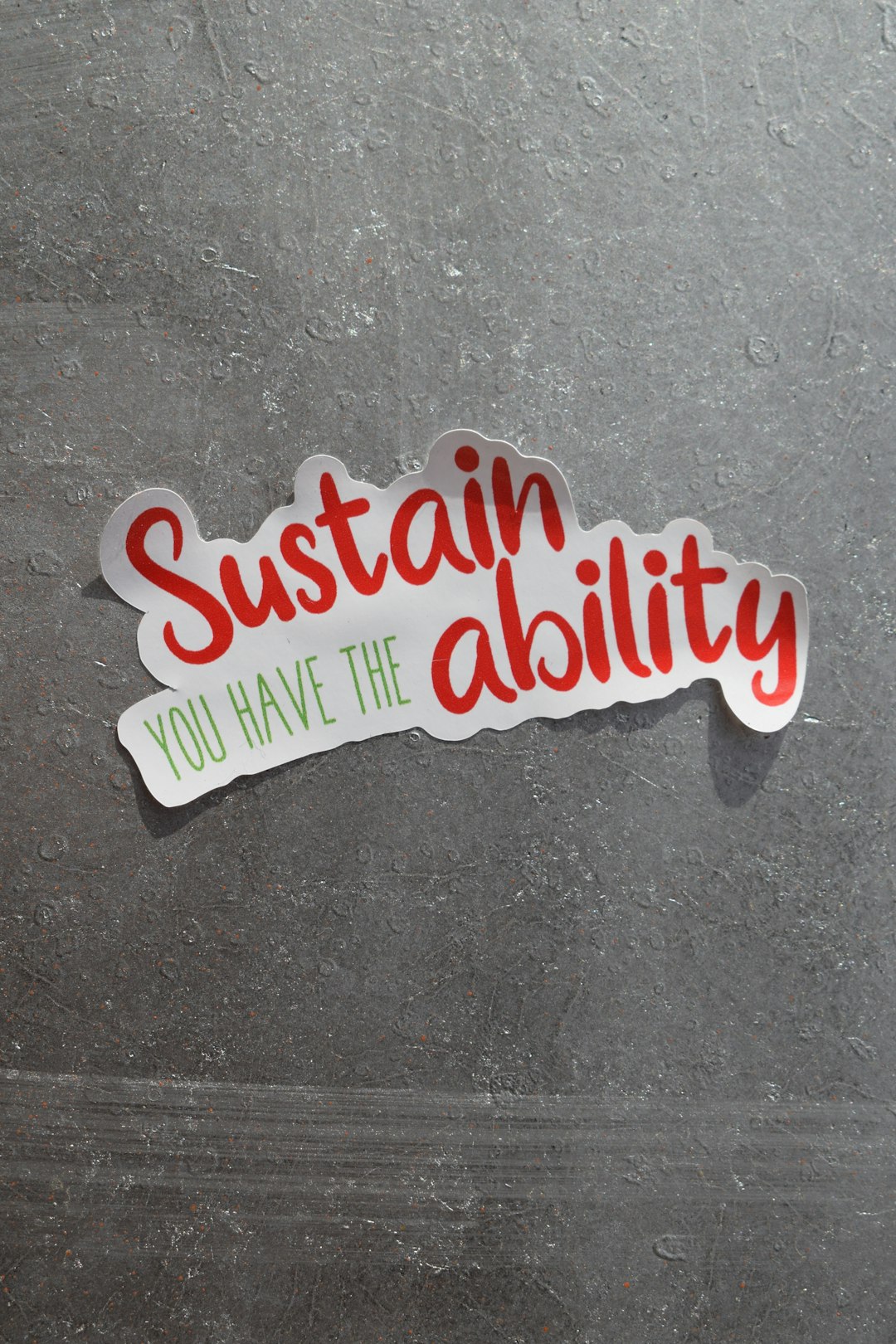
Revisiting Sustainability: The Need for a New Code of Ethics
Ah, sustainability. The buzzword of the century, championed by elites in well-tailored suits who are far removed from the realities of everyday life. As we dive into the depths of “Revisiting Sustainability: The Need for a New Code of Ethics,” it’s essential to peel back the layers of this trendy topic and challenge the narrative that has been crafted by the so-called “sustainability experts” at gatherings like those hosted by the World Economic Forum.
The Illusion of Sustainability
First, let’s address the elephant in the room—the term “sustainability” has been hijacked. It has transformed from a commendable goal into a catchphrase used by globalists to push their agenda of control. You know the type: they fly in private jets to Davos, all the while lecturing you about reducing your carbon footprint. Isn’t it charming how they advocate for a new code of ethics in sustainability while their lifestyle screams hypocrisy?
When we talk about sustainability, we are not just discussing the environment; we are discussing the ethics of our choices. Shouldn’t a new code of ethics focus on transparency and genuine accountability, rather than just another opportunity for the elite to dictate how the rest of us should live?
What’s Wrong with the Current Ethical Framework?
The current frameworks lack a holistic approach that integrates both environmental and social aspects. Organizations often cherry-pick data to fit their narratives. For example, companies claiming to be carbon-neutral while simultaneously outsourcing their pollution to developing countries need a serious wake-up call. Are we really promoting sustainability, or are we just perpetuating a system that benefits the few while sacrificing the many?
Moreover, many sustainability initiatives are steeped in a one-size-fits-all mentality. What works in one region may not be suitable for another. A new code of ethics should prioritize local solutions and grassroots initiatives rather than imposing top-down regulations that ignore cultural and economic realities.
Data-Driven Solutions: A Call for Accountability
A new ethical framework for sustainability should emphasize verifiable data. We must demand transparency in reporting and hold organizations accountable for their claims. For instance, some studies suggest that corporate sustainability efforts yield a mere 2% reduction in overall emissions. If these companies truly cared, they would be more upfront about the effectiveness of their initiatives rather than masking their failures with marketing jargon.
Furthermore, we should encourage businesses to invest in technologies that actually make a measurable impact. Who wouldn’t support renewable energy sources, innovative waste management solutions, or sustainable agriculture practices? Yet, these initiatives often come with strings attached, such as compliance with regulations designed by those same elites who seem more interested in profit than progress.
Counterarguments and the Way Forward
Critics may argue that it’s unrealistic to expect corporations to adhere to stringent ethical guidelines without some level of regulation. And while regulation has its place, it should not be the only tool in our sustainability toolbox. Social pressure and consumer demand can also drive change. Remember the backlash against companies that fell short of their environmental promises? That’s accountability in action.
It’s time to champion a new ethos—one that encourages innovation and genuine commitment to sustainability. This should not be a buzzword used to market products but a guiding principle that informs every decision from boardrooms to backyards.
Conclusion: The Path to Authentic Sustainability
In conclusion, revisiting sustainability requires us to rethink our ethical approach. It’s not enough to simply slap a “sustainable” label on a product or initiative; we need a comprehensive code of ethics that values integrity and accountability. We must demand local solutions that respect the unique challenges and resources of each community.
As we navigate this complex landscape, let’s not forget that true sustainability is a collaborative effort, grounded in ethical practices that benefit everyone, not just the global elite. The time has come for a new narrative—one that prioritizes genuine sustainability over superficial compliance. Only then can we hope to create a world that is not only sustainable but equitable for all.
So, the next time you hear about sustainability, remember—it’s not just a code of ethics; it’s a call to action for accountability and authenticity. Let’s ensure that we are not merely revisiting sustainability but redefining it for the betterment of our planet and its people.
This editorial aims to spark conversation on the need for a new code of ethics in sustainability, challenging readers to rethink the status quo while emphasizing accountability, transparency, and local solutions. Join the discussion, and let’s rethink what sustainability truly means!



