


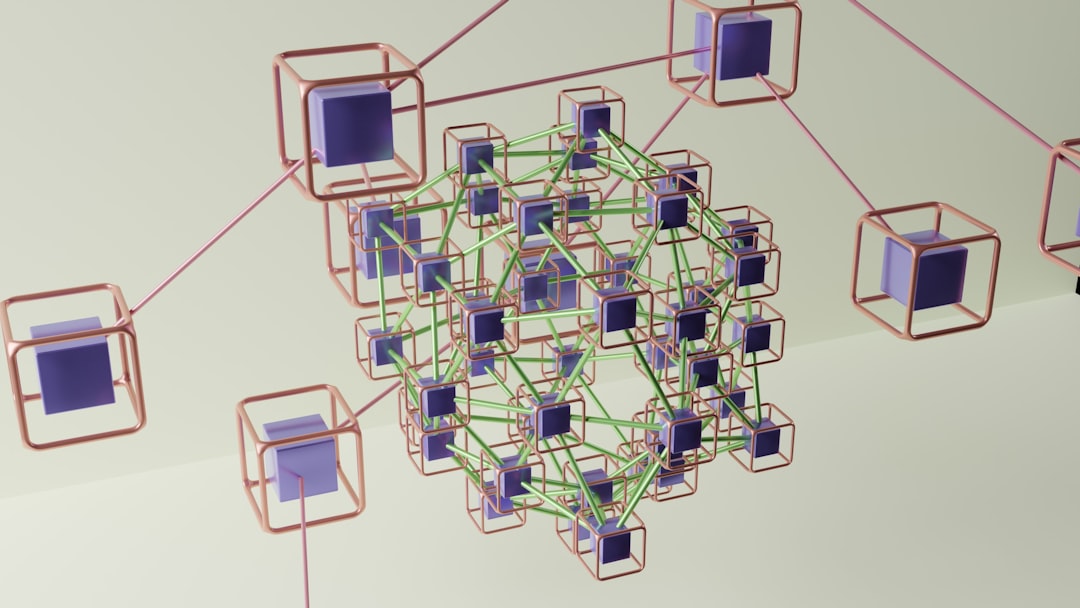
Mastering Multithreading: Enhance 3D Nodes with Token Wiring
In the world of software development and gaming, multithreading has emerged as a crucial technique for optimizing performance and enhancing user experiences. This article delves into the intricacies of mastering multithreading to enhance 3D nodes with token wiring, a process that significantly improves the efficiency and responsiveness of applications.
Understanding Multithreading in 3D Applications
Multithreading allows a program to execute multiple threads concurrently, making it possible to perform heavy computations without freezing the user interface. In 3D applications, this is particularly beneficial when rendering complex scenes, simulating physics, or processing user inputs simultaneously. By distributing tasks across multiple threads, developers can leverage modern multi-core processors, leading to a smoother and more immersive experience for users.
What are 3D Nodes?
In the context of 3D graphics, nodes represent individual elements or components within a scene graph. Each node can contain various properties such as position, rotation, and scale, contributing to the overall scene’s structure. By mastering the management of these nodes through multithreading, developers can create dynamic environments that respond fluidly to user interactions, enhancing the overall visual fidelity and performance.
The Role of Token Wiring
Token wiring is an innovative approach that allows developers to manage data flow between nodes efficiently. By using tokens as carriers of information, it becomes easier to synchronize operations across multiple threads. This technique streamlines communication between nodes, ensuring that data is passed accurately and without bottlenecks.
Benefits of Token Wiring in 3D Nodes
- Improved Performance: Token wiring reduces the overhead associated with traditional data handling methods, allowing for faster execution of tasks within 3D environments.
- Enhanced Scalability: As applications grow in complexity, token wiring provides a scalable framework that adapts to increasing demands without compromising performance.
- Simplified Debugging: By isolating data flows, developers can more easily track issues and optimize performance, making the debugging process more efficient.
Implementing Multithreading and Token Wiring
To effectively implement multithreading with token wiring in 3D applications, developers should consider the following steps:
1. Identify Parallelizable Tasks
Start by analyzing your application to identify tasks that can be executed concurrently. These might include rendering, physics simulations, or audio processing.
2. Create Threads for Each Task
Utilize threading libraries available in your programming language of choice. Here’s a simple example in Python using the threading module:
import threading

def render_scene():
    # Code to render the 3D scene
    pass

def simulate_physics():
    # Code to simulate physics in the scene
    pass

# Create threads
render_thread = threading.Thread(target=render_scene)
physics_thread = threading.Thread(target=simulate_physics)

# Start threads
render_thread.start()
physics_thread.start()

# Wait for both threads to complete
render_thread.join()
physics_thread.join()
3. Implement Token Wiring
Design a token system that will facilitate communication between threads. Each node can receive and send tokens to update its state based on the latest computations.
4. Test and Optimize
Once the multithreaded structure is in place, conduct thorough testing to identify any performance bottlenecks. Utilize profiling tools to analyze thread performance and optimize the token wiring system.
Emerging Trends in 3D Graphics and Multithreading
The integration of artificial intelligence (AI) and machine learning (ML) into 3D graphics is opening new avenues for developers. AI-driven algorithms can assist in procedural generation, making it easier to create expansive worlds while maintaining performance through efficient multithreading techniques.
Additionally, the rise of real-time ray tracing technology necessitates enhanced multithreading capabilities to manage the immense computational load. As real-time graphics become more sophisticated, mastering these techniques will be essential for developers looking to stay ahead in the industry.
Conclusion
Mastering multithreading and enhancing 3D nodes with token wiring is vital for developers aiming to create high-performance, responsive applications. By understanding the fundamentals of these techniques and implementing them effectively, developers can significantly improve their software’s performance and user experience.
For further reading and resources on multithreading and 3D graphics, consider exploring:
As you explore these concepts, consider subscribing to newsletters or following blogs that focus on technology trends, innovations, and gadgets related to 3D development. Sharing this article with fellow developers can also help foster a community of learning and growth in the field.



