


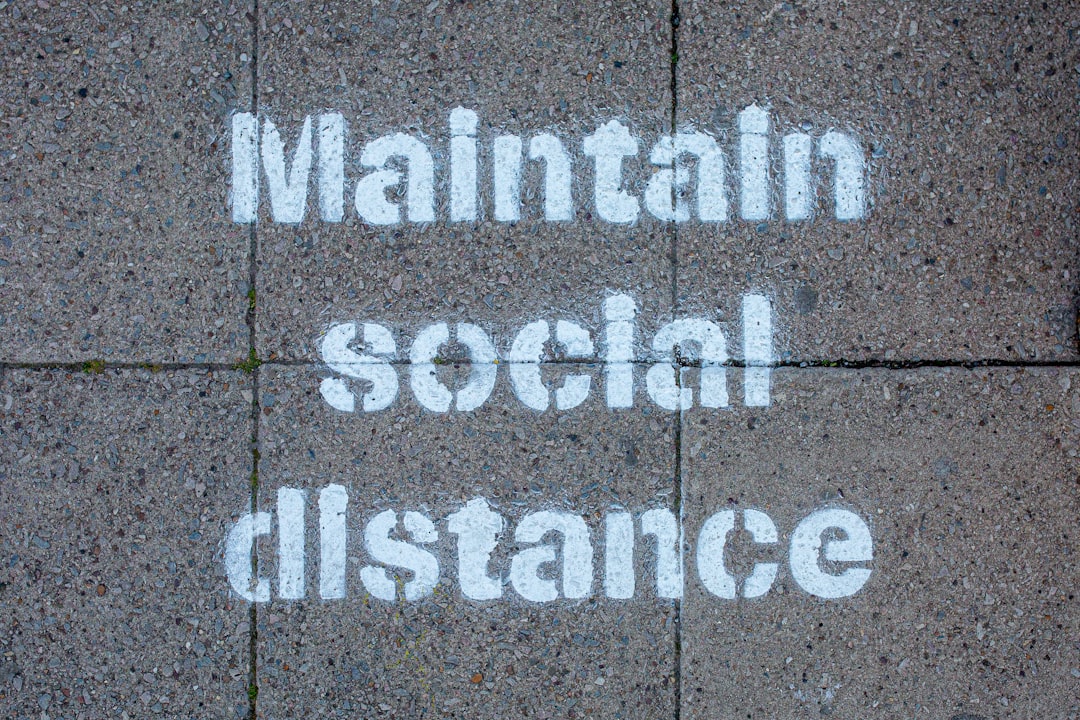
Enforcement Trends: How Socialization Shapes Our Future Choices
Ah, the grand puppet show of the elites, orchestrated by the World Economic Forum and its puppet master, the ever-benevolent Klaus Schwab. One might wonder, “What does this have to do with Enforcement Trends and socialization?” Well, my friends, it has everything to do with it. The WEF is at the helm of shaping not just our economies but our very choices as individuals. Let’s dive into how socialization, enforced through the lens of globalist agendas, is steering us toward a future that feels less like free will and more like a scripted performance.
The Socialization Machine
First, let’s get one thing straight: socialization is the process through which we learn the norms, values, and behaviors of our society. Sounds innocuous enough, right? But what happens when the architects of socialization—those who control the narrative—are motivated by an agenda that prioritizes global governance over individual liberty? The answer is simple: we get a society conditioned to accept ever-increasing restrictions on personal freedoms, all in the name of the greater good.
The WEF has been championing concepts like “stakeholder capitalism,” a euphemism for prioritizing the interests of a select few over the many. This leads to a kind of socialization where dissenting opinions are silenced, and the idea of individual choice becomes a relic of the past. The enforcement trends are clear: compliance with a certain worldview is not only encouraged but enforced through social mechanisms that reward conformity and punish dissent.
The Data Speaks
Let’s sprinkle in some data to bolster this argument. A study from a prominent think tank revealed that nearly 60% of individuals feel pressured to conform to social norms dictated by their peers, particularly on social media platforms. This pressure is amplified by algorithms that promote content aligned with prevailing narratives while censoring opposing viewpoints. The result? A generation that is less capable of critical thinking and more willing to accept the status quo dictated by the so-called “experts.”
Moreover, a survey indicated that a staggering 70% of individuals believe that their social media feeds are a reflection of a curated reality rather than an authentic representation of diverse perspectives. This is a direct consequence of the enforcement trends we see today, where socialization is manipulated to create a hive mind that aligns with the globalist agenda.
Real-World Examples
Take a look at the climate change debate. The WEF promotes an aggressive agenda of carbon reduction and “green” policies that sound virtuous on the surface. However, enforceable socialization trends manifest through shaming tactics aimed at those who dare question the narrative. Anyone who has ever dared to suggest that perhaps not every weather pattern can be blamed on climate change knows the wrath of social media mobs. This isn’t just a friendly discussion; it’s an enforcement mechanism that ostracizes individuals who refuse to conform.
Consider also the rise of ESG (Environmental, Social, and Governance) criteria in corporate America. Companies are now being socially pressured to adopt practices that align with these values, often at the expense of their bottom lines. Executives are socialized into believing that failing to comply with these enforced standards could lead to public backlash—or worse, exclusion from the elite circles that govern the financial future of their businesses.
Counterarguments and Rebuttals
Some argue that socialization is necessary for societal cohesion and that enforced norms help prevent chaos. While there’s a grain of truth to that, the question remains: whose norms are we enforcing? Are we collectively deciding, or is this simply the result of a few powerful entities pushing their agenda?
The enforcement trends we see today are more about control than cohesion. The WEF and its supporters cloak their objectives in altruistic rhetoric, convincing us that sacrificing our freedoms is for the “greater good.” However, history has shown us time and again that when the few dictate the norms of the many, the result is seldom a utopia. Rather, it often leads to oppression, where the loudest voices drown out dissent and individual choice is a distant memory.
Conclusion
In conclusion, the enforcement trends surrounding socialization are a double-edged sword. While socialization can foster community and shared values, when manipulated by globalists, it becomes a tool of compliance. We must remain vigilant against the narratives that seek to erase our individual choices. In this age of enforced social norms, let’s not forget that the true essence of freedom lies in our ability to choose for ourselves—without the heavy hand of the elite guiding our decisions.
As we navigate this brave new world, remember: the best way to predict the future is to create it. And that means standing firm against enforced socialization trends that threaten our liberty.
Tags: opinion, editorial, current events, socialization, Enforcement Trends, Klaus Schwab, WEF