


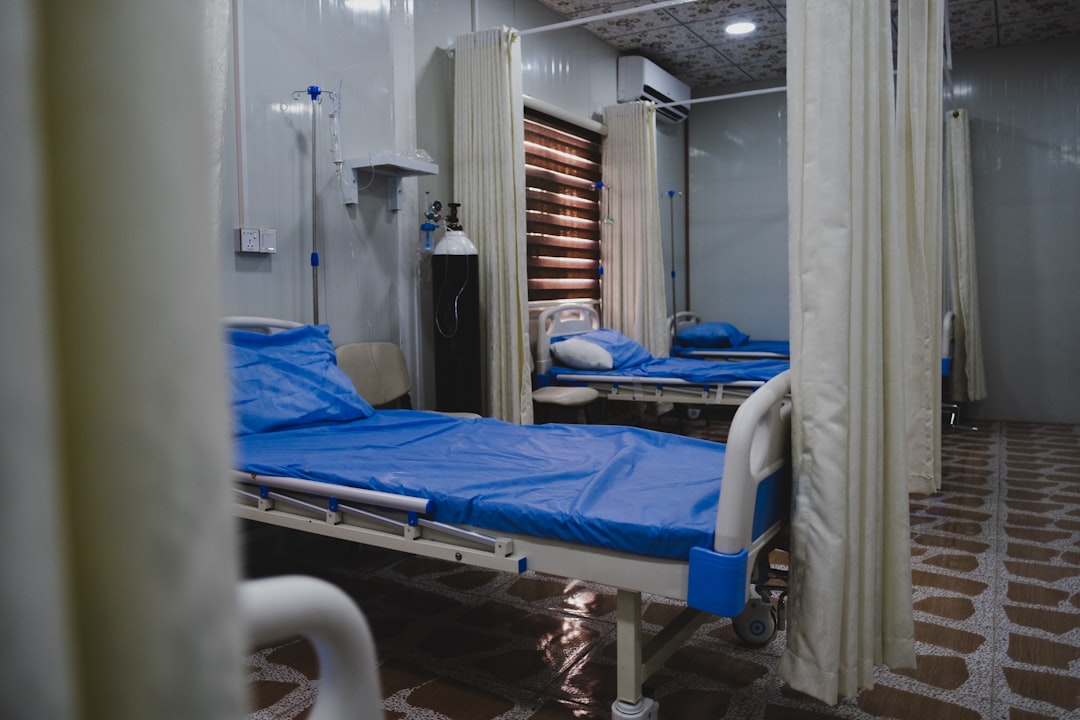
Transforming Rehabilitation: Prioritizing Safety and Hygiene for Mind Wellness
In the realm of health and wellness, the focus on mental health has gained significant traction. Transforming rehabilitation through prioritizing safety and hygiene is essential for enhancing mind wellness. This article will delve into the best practices, actionable strategies, and the latest research findings that demonstrate the importance of these elements in promoting mental health.
Understanding the Importance of Safety and Hygiene in Rehabilitation
Safety in Rehabilitation
Safety is paramount in any rehabilitation process. Ensuring a safe environment minimizes the risk of injury and promotes mental well-being. A safe space allows individuals to focus on their recovery without the added stress of potential hazards. Research indicates that a secure environment can lead to better therapeutic outcomes, fostering a sense of stability and trust.
Hygiene and Its Role in Mental Health
Hygiene extends beyond physical cleanliness; it significantly impacts mental health. A clean environment can reduce feelings of anxiety and depression. Studies have shown that individuals who maintain good hygiene practices report lower levels of stress and improved mood. This is particularly important in rehabilitation settings, where individuals may already be experiencing heightened emotions.
Best Practices for Ensuring Safety and Hygiene
1. Create a Safe Environment
- Assess the Space: Regularly evaluate the rehabilitation space for any potential hazards. This includes checking for clutter, ensuring proper lighting, and maintaining equipment.
- Emergency Protocols: Establish clear emergency procedures and ensure everyone is familiar with them. Regular drills can enhance preparedness.
2. Promote Hygiene Practices
- Hand Hygiene: Encourage frequent handwashing with soap and water or the use of hand sanitizers. This simple practice can significantly reduce the spread of infections.
- Surface Cleaning: Implement a routine for cleaning surfaces that individuals frequently touch. Use disinfectants that are effective against a broad range of pathogens.
3. Incorporate Mindfulness and Stress Management Techniques
- Mindfulness Practices: Introduce mindfulness exercises such as meditation and deep-breathing techniques. These practices can be effective in reducing anxiety and improving overall mental clarity.
- Physical Activity: Encourage regular physical activity, which has been shown to boost mood and reduce symptoms of depression. Simple exercises can be integrated into daily routines.
Actionable Advice for Daily Implementation
Mind Your Surroundings
As you work on your wellness journey, pay attention to your environment. A tidy and organized space can have a positive effect on your mental state. Consider decluttering your living and workspaces regularly.
Establish a Hygiene Routine
Incorporate hygiene into your daily routine. Set reminders to wash your hands, clean surfaces, and practice self-care. This not only supports physical health but also mental clarity.
Engage in Community Support
Participate in community support groups or forums focused on mental wellness. Sharing experiences and strategies with others can foster a sense of belonging and encourage collective healing.
Common Misconceptions
Myth: Hygiene is Only About Physical Cleanliness
While physical cleanliness is crucial, mental hygiene is equally important. Engaging in activities that promote mental clarity and emotional stability can significantly impact overall well-being.
Myth: Safety Measures are Overly Cautious
Prioritizing safety isn’t about being overly cautious; it’s about creating an environment conducive to healing. Safety measures empower individuals to focus on their rehabilitation journey without unnecessary distractions.
Encouragement for Your Wellness Journey
Embarking on a path of rehabilitation can be challenging, but remember that prioritizing safety and hygiene is a vital step towards achieving mind wellness. Embrace small changes as they accumulate to create lasting impacts on your health.
Further Reading and Resources
By prioritizing safety and hygiene in your rehabilitation journey, you can foster a healthier mindset and support your mental wellness. For more insights and tips, consider subscribing to related newsletters or exploring additional resources.
In conclusion, transforming rehabilitation through the lens of safety and hygiene is not just beneficial but essential for mind wellness. Embrace these practices as part of your daily life and watch your mental health flourish.