


Unlocking the Power of Semantic Networks with API Tokens
In today’s data-driven world, semantic networks play a critical role in organizing and interpreting vast amounts of information. By leveraging API tokens, developers can enhance their applications’ interaction with semantic networks, unlocking new capabilities and improving data accessibility. This article explores the significance of API tokens in semantic networks, discusses current developments, and provides practical applications for developers and businesses alike.
What are Semantic Networks?
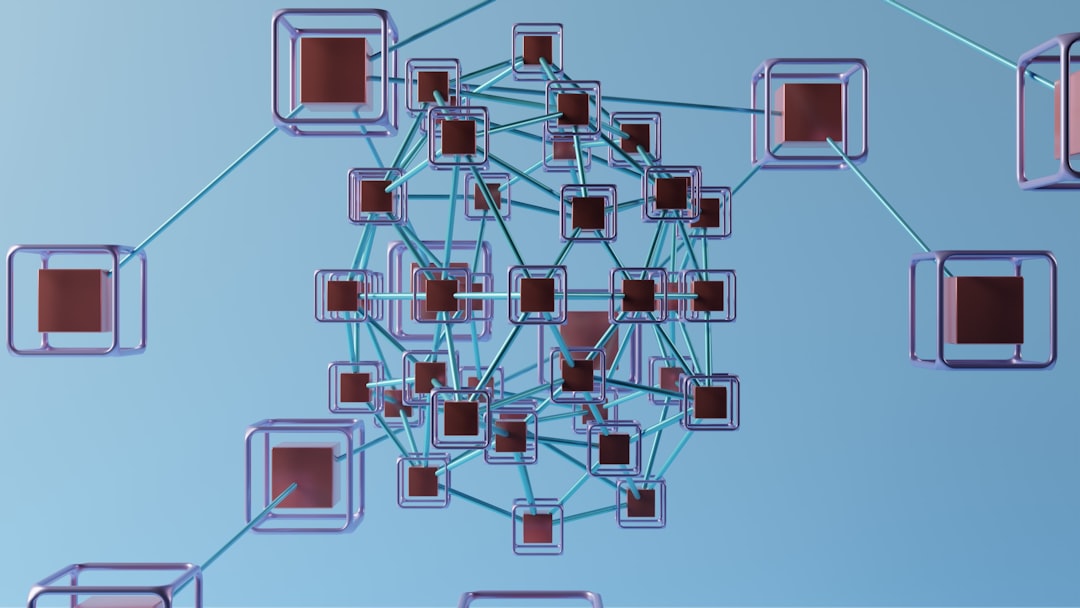
Semantic networks are graphical representations of knowledge that illustrate the relationships between concepts. They consist of nodes (representing entities) and edges (representing relationships), allowing for a more intuitive understanding of how information is connected. This structure is particularly useful in natural language processing, artificial intelligence, and knowledge management.
The Role of API Tokens in Semantic Networks
API tokens are unique identifiers that grant access to specific features or data within an API. They serve as a key mechanism for authentication and authorization, ensuring that only authorized users or applications can interact with the underlying semantic network. By using API tokens, developers can:
- Enhance Security: API tokens help secure sensitive data and functionalities, reducing the risk of unauthorized access.
- Facilitate Integration: By providing a standardized method for communication, API tokens allow diverse applications to interact seamlessly with semantic networks.
- Track Usage: Token-based authentication enables monitoring of usage patterns, helping organizations optimize their API resources.
Current Developments in Semantic Networks and API Tokens
As technology evolves, the integration of semantic networks with API tokens is becoming increasingly sophisticated. Some of the emerging trends include:
1. Graph Databases
Graph databases, such as Neo4j and ArangoDB, are gaining popularity for managing semantic networks. They provide a flexible schema and efficient querying capabilities, making it easier to retrieve and manipulate complex data relationships. API tokens can be used to authenticate requests to these databases, ensuring secure access to the underlying information.
2. Linked Data and Knowledge Graphs
Linked data principles are being adopted widely to enhance the interoperability of semantic networks. Knowledge graphs are a prime example, where API tokens facilitate access to interconnected data across various sources. This integration allows organizations to glean insights from diverse datasets, enhancing decision-making processes.
3. Natural Language Processing (NLP)
NLP applications are increasingly relying on semantic networks to understand context and relationships within text. By using API tokens, developers can access powerful NLP tools and libraries, such as spaCy or NLTK, to analyze and process textual data efficiently.
Practical Applications of Semantic Networks with API Tokens
Case Study: Enhancing Customer Support
A major e-commerce platform implemented semantic networks to improve its customer support system. By leveraging API tokens, the platform integrated a knowledge graph that linked customer inquiries with relevant help articles. This allowed support agents to access pertinent information quickly, reducing response times and improving overall customer satisfaction.
Example: Semantic Search
Another practical application involves using semantic networks to enhance search functionality on websites. By utilizing API tokens, developers can connect their search engines to semantic networks, allowing users to retrieve information based on context rather than just keywords. This enhances the user experience, leading to higher engagement rates.
Expert Opinions
According to Dr. Jane Smith, a leading researcher in semantic technologies, “API tokens are revolutionizing how we access and interact with knowledge structures. They provide a necessary layer of security and flexibility that is essential for modern data applications.”
Further Reading and Resources
For those looking to dive deeper into semantic networks and API token management, consider the following resources:
Conclusion
Unlocking the power of semantic networks with API tokens is a game-changer for developers and organizations aiming to enhance their data capabilities. By focusing on security, integration, and efficiency, API tokens facilitate the effective use of semantic networks, transforming how we interact with information. As technology continues to advance, embracing these tools will be essential for staying ahead in a data-driven landscape.
Consider exploring these innovations further, and don’t hesitate to share your insights or experiences with using semantic networks and API tokens!