


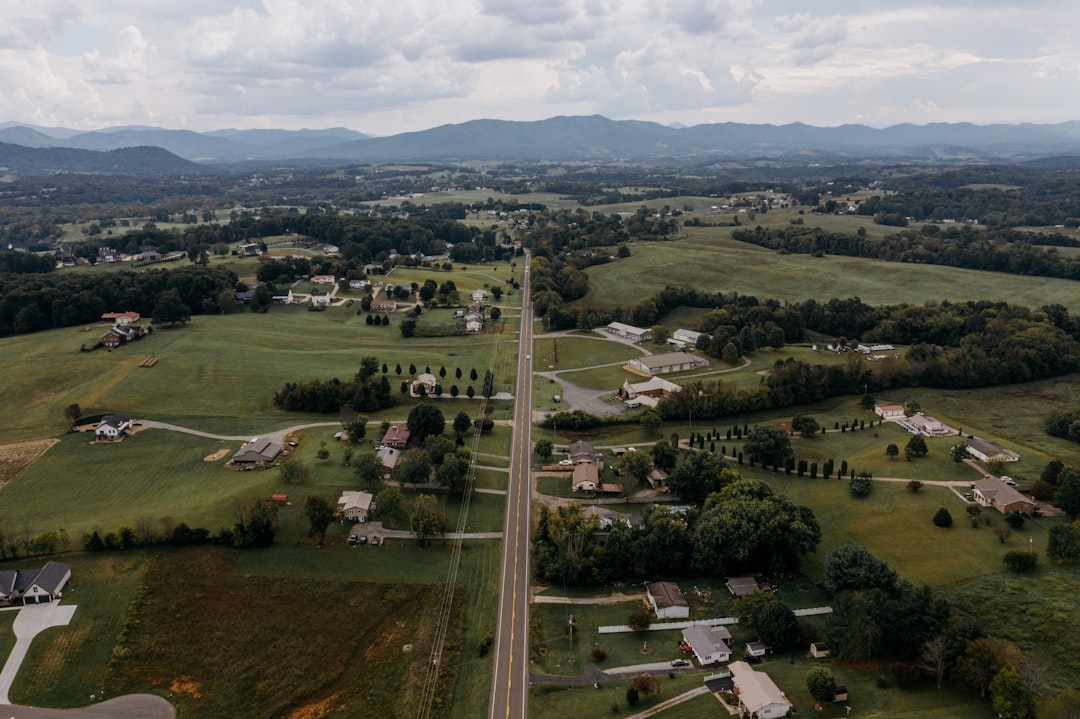
Building Bridges Not Barriers: The Case for Community Habitat
In today’s fast-paced world, the importance of community habitats in promoting health and wellness cannot be overstated. A community habitat is more than just a physical space; it represents an ecosystem where individuals come together to share resources, support one another, and foster a sense of belonging. This article delves into how building bridges, rather than barriers, within our communities can lead to improved health outcomes and overall wellness.
Understanding the Concept of Community Habitat
Community habitat refers to the social, physical, and emotional environments in which people live, work, and interact. It encompasses various elements such as green spaces, access to healthcare, public transportation, and community programs. Research shows that a well-designed community habitat can significantly influence physical and mental health.
The Health Benefits of Strong Community Habitats
-
Social Support: Engaging with a supportive community can reduce stress, anxiety, and depression. Studies have shown that social connections can lead to a longer life and better health by providing emotional support and practical help.
-
Access to Resources: Communities that prioritize resource sharing—such as community gardens, health clinics, and wellness programs—allow residents to access nutritious food and healthcare services more easily, thus improving overall health.
-
Physical Activity: Neighborhoods designed with walkable spaces, parks, and recreational facilities encourage physical activity. Regular exercise is associated with a lower risk of chronic diseases, including obesity, heart disease, and diabetes.
-
Mental Well-being: Green spaces and community areas provide opportunities for relaxation and recreation, which can enhance mental well-being. Studies indicate that spending time in nature significantly reduces stress levels.
Building Bridges: Strategies for Enhancing Community Habitats
1. Foster Inclusivity
Creating inclusive spaces that welcome diverse populations is essential. Encourage participation from all community members in decision-making processes. This could involve town hall meetings, surveys, or focus groups to gather input on community needs and preferences.
2. Promote Collaboration
Partnerships between local organizations, schools, and health providers can strengthen community resources. Joint initiatives—like health fairs or wellness workshops—can facilitate access to services and information, making health resources more attainable for all.
3. Enhance Accessibility
Improving public transportation and creating walkable paths can ensure that all community members have access to essential services and opportunities for physical activity. Consider advocating for dedicated bike lanes, public transport routes, and safe pedestrian crossings.
4. Create Green Spaces
Developing parks and community gardens can provide a place for residents to connect with nature and each other. Community gardens, in particular, can promote nutrition education and encourage healthy eating habits among residents.
5. Encourage Health Education
Host workshops and seminars to educate the community about health and wellness topics. Topics could include nutrition, mental health awareness, chronic disease management, and physical activity. Providing accessible information empowers individuals to make informed health choices.
Common Misconceptions About Community Habitats
One common misconception is that community habitats only benefit physical health. While physical aspects are vital, the emotional and social dimensions are equally important. Healthy communities foster connections that support mental health, resilience, and overall well-being.
Another misconception is the belief that improving community habitats requires significant funding. While financial investment is beneficial, community-driven initiatives—such as volunteer-led clean-ups, neighborhood meetings, and resource swaps—can have a substantial impact without substantial costs.
Moving Forward: Encouraging Community Engagement
Building bridges within our communities is a journey that requires commitment and collaboration. By prioritizing community habitats, we can create environments that support health and wellness.
For actionable steps, consider reaching out to local community organizations, participating in community events, or even starting a neighborhood group focused on health and wellness initiatives. The power of a united community can lead to transformative change.
Further Reading and Resources
To expand your understanding of community health and wellness, you may find the following resources helpful:
- National Institute of Health: Community Health
- CDC: Community Engagement
- The Robert Wood Johnson Foundation: Health and Community
By embracing the principles of Building Bridges Not Barriers, you take an important step toward prioritizing health and wellness in your life and the lives of those around you. Share this article with your community and inspire others to join the movement toward healthier habitats.