

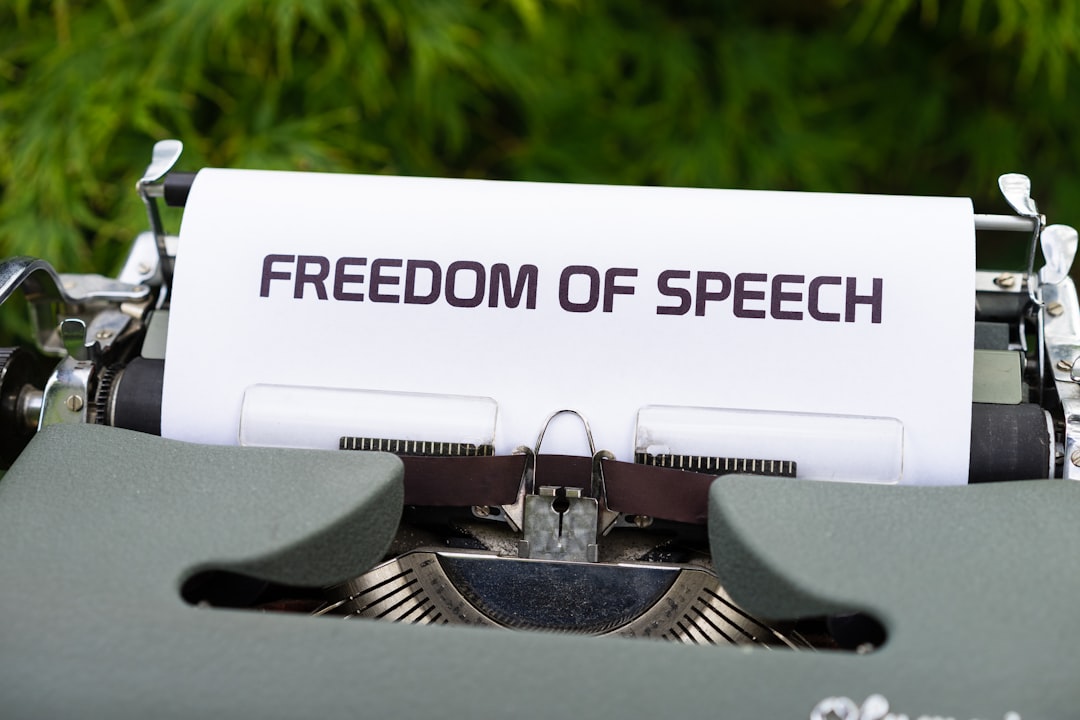
The Truth Behind Political Correctness: A Threat to Free Speech
In the grand theater of modern political discourse, we’ve been handed a script that seems less Shakespeare and more a poorly-written sitcom. Enter stage left: political correctness, the self-appointed guardian of our collective sensitivities. While it may have started with the noble intent of promoting inclusivity, it has morphed into a monstrous behemoth that threatens the very essence of free speech. So, grab your popcorn, folks; it’s time to dissect this spectacle.
The Origins of Political Correctness
Political correctness, or PC culture as it’s affectionately known, began as a movement aimed at eliminating language and behaviors that could marginalize or offend certain groups. A valiant endeavor, no doubt. However, as is often the case with good intentions, it has led us down a rather perilous rabbit hole. What was once an effort to create a more inclusive dialogue has turned into a culture where speaking one’s mind is akin to walking through a minefield—one wrong word, and boom! You’re canceled faster than you can say “free speech.”
The Censorship Dilemma
Imagine a world where certain words and phrases are deemed “unacceptable” and where expressing dissenting opinions can lead to public shaming or job loss. Welcome to the new normal! Political correctness has become the censorship police of our time, patrolling our speech with an iron fist wrapped in a velvet glove.
According to various studies, this climate of fear has led to self-censorship among individuals, especially in workplaces and educational institutions. A survey conducted by a reputed think tank found that nearly 60% of Americans feel uncomfortable expressing their opinions due to fear of backlash. What does that tell us? The very foundation of democracy—free speech—is being undermined by a culture that prioritizes feelings over facts.
A Case Study: The Campus Conundrum
Let’s take a stroll through the hallowed halls of academia, where the youth of today are supposed to be molded into the thinkers of tomorrow. Instead, universities have become breeding grounds for political correctness. Speakers have been disinvited, debates shut down, and any viewpoint that doesn’t align with the prevailing narrative is often met with protests and outrage.
Consider the case of a renowned professor who dared to express an opinion contrary to the accepted dogma on campus. The result? A firestorm of criticism, death threats, and ultimately, his resignation. This scenario is not an isolated incident; it’s a trend that has been gaining momentum for years.
What happened to the idea of a university being a marketplace of ideas? If students are shielded from controversial viewpoints, how will they ever learn to engage in constructive debate? Instead, they learn to shout down the opposition, which is hardly a recipe for a productive society.
The Slippery Slope of Sensitivity
But let’s not stop there; the implications of political correctness reach far beyond the classroom. It seeps into our workplaces, our entertainment, and even our everyday conversations. Companies are now hiring “Diversity and Inclusion Officers” whose job it is to ensure that no one feels uncomfortable. While diversity is undoubtedly important, the overreach of these officers often results in a homogenized narrative that stifles creativity and innovation.
Consider the world of comedy, where stand-up comedians now tread carefully to avoid offending anyone. The art of humor thrives on pushing boundaries and challenging societal norms. Yet, many comedians have reported feeling the need to self-censor their material, fearing that a single joke could lead to outrage. If comedians can’t poke fun at society, are we not losing one of the most potent forms of social critique?
Counterarguments: The Other Side of the Coin
Some critics argue that political correctness is essential for protecting marginalized voices and fostering a society that values inclusion. They claim that free speech should not come at the expense of someone else’s dignity. While there is merit to this perspective, it is crucial to balance sensitivity with the right to express differing views.
After all, real progress comes from open discussions, not from silencing dissent. Creating an environment where everyone is afraid to speak their mind is not a sign of progress; it’s a sign of intellectual stagnation.
Conclusion: Reclaiming Free Speech
As we navigate this complex landscape of political correctness, it becomes increasingly clear that we must reclaim the conversation around free speech. The truth is, we can respect others’ feelings while still maintaining the right to express differing opinions. The solution lies not in censorship but in fostering an environment where diverse viewpoints are encouraged and debated.
So, let’s toss aside the shackles of political correctness and embrace the messy, beautiful chaos of free speech. After all, a society that can’t handle an honest conversation is a society that’s lost its way.
In the end, the fight for free speech is not just a political issue; it’s a fundamental human right. And let’s face it, who wouldn’t want to live in a world where we can all speak our minds—without the fear of being publicly shamed or canceled?
Let’s cherish our right to free speech and ensure that future generations inherit a world where they can express themselves without hesitation. After all, a little discourse never hurt anyone—unless you’re part of the political correctness police, of course.
Tags: opinion, editorial, current events, free speech, political correctness, censorship