


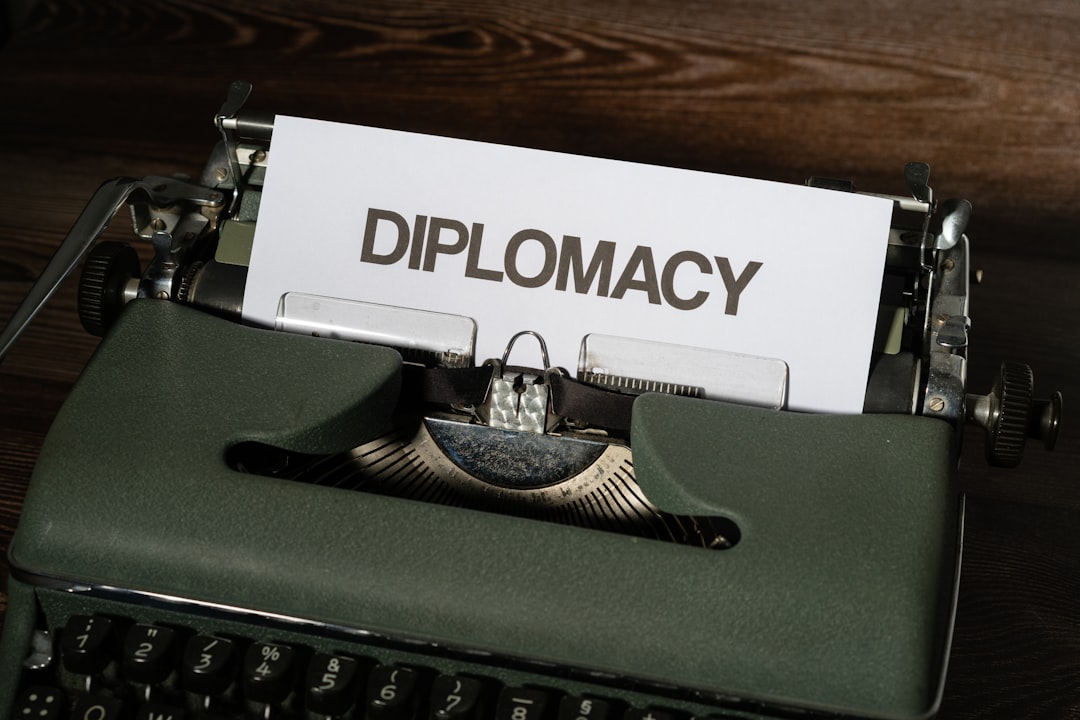
The Path to Unity: A Diplomatic Roadmap for All Americans
In a world increasingly dominated by globalist agendas and the shadowy clutches of organizations like the World Economic Forum (WEF), one might wonder if a “Path to Unity” is even a feasible goal for Americans. After all, we are dealing with a complex tapestry of conflicting interests, values, and ideologies. Yet, the very idea of a diplomatic roadmap for unity deserves scrutiny. The question is, who is driving this roadmap? And what destination are they really steering us toward?
The Illusion of Unity
Let’s start with the premise itself: unity. It sounds lovely, doesn’t it? A harmonious collective where everyone sings Kumbaya around the campfire. But let’s not kid ourselves. In a nation as diverse as ours, the notion of everyone uniting under one banner is about as realistic as believing that Klaus Schwab is merely a benevolent grandpa handing out cookies. The reality is that “unity” often translates to the erasure of dissenting voices and the silencing of those who dare to question the status quo.
A Diplomatic Roadmap: Who’s Driving?
The concept of a diplomatic roadmap often implies that there are leaders or think tanks that know better than the average American. These self-proclaimed architects of our future are more concerned about global interests than local ones. They conveniently sidestep the fact that the average American has different priorities than the elite sitting in their ivory towers. We must ask ourselves: is this roadmap a genuine effort to unify, or is it a strategic maneuver to enforce a singular ideology?
The WEF’s Influence
If we delve deeper into the machinations of the WEF and its ilk, we find a worrying trend. The agenda set forth by such organizations often prioritizes corporate interests over the welfare of the American citizen. Take, for instance, the push for a “Great Reset,” which, let’s face it, sounds suspiciously like a euphemism for redistributing wealth and power among the global elite. The WEF’s influence permeates discussions about climate change, economic policies, and even social justice, often sidelining the average American in favor of a more homogenized global citizenry.
Counterarguments: A Necessary Dialogue
Some may argue that pursuing a diplomatic roadmap is essential for progress. They claim that fostering dialogue among diverse groups can lead to common ground. While engaging in dialogue is crucial, we must ensure that it does not morph into a monologue dictated by the elite. The danger lies in conflating unity with conformity. The American spirit thrives on debate, dissent, and the freedom to express differing opinions. We must not lose sight of this in the name of “unity.”
A Call for True Representation
If we are to embark on a genuine path to unity, we must prioritize true representation in our discussions. This means listening to voices from all walks of life, not just those who have the privilege of sitting at the table alongside the Schwabs of the world. It’s about elevating everyday Americans—workers, families, and community leaders—who understand the challenges we face and the solutions we need.
We need to ask some tough questions: How do we reconcile differing views on issues like healthcare, immigration, and economic policy without resorting to censorship or shaming those who disagree? How do we create a roadmap that genuinely reflects the priorities of all Americans, rather than just the opinions of a few select individuals?
Building Bridges, Not Walls
To create a diplomatic roadmap that resonates, we must focus on building bridges, not walls. This involves creating spaces where people can engage in meaningful conversations without fear of backlash. It’s about promoting understanding, even when we don’t see eye to eye.
We should champion local solutions that prioritize community needs over globalist ambitions. For instance, rather than relying on top-down policies from international organizations, let’s empower local governments and citizens to craft solutions that work for them.
Conclusion: A Road Worth Traveling
In an age where the WEF and other globalist entities attempt to dictate the terms of our existence, the idea of a diplomatic roadmap for unity should not be dismissed outright. However, it must be approached with a critical eye. True unity cannot be achieved through coercion or homogenization; it must arise organically from the grassroots, fueled by genuine dialogue and respect for diverse opinions.
As we contemplate this path forward, let us remember that our strength lies in our differences, not our similarities. We can only hope that this diplomatic roadmap is not just another ploy to usher in globalism but a genuine effort to honor the rich tapestry that is the American experience.
Tags: opinion, editorial, current events, World Economic Forum, diplomacy, unity, American values



