


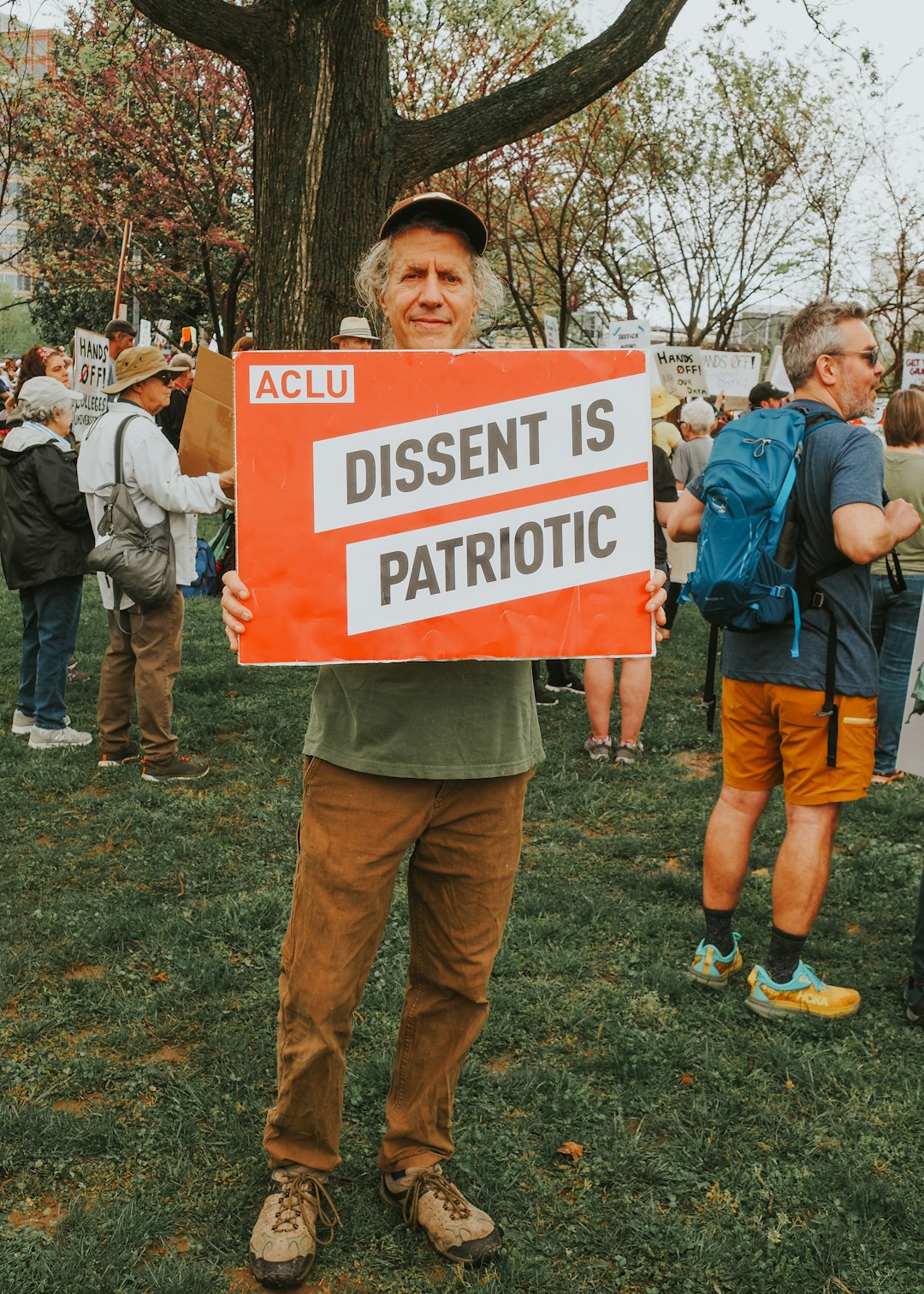
When Dissent Becomes Just a Connection: Navigating Health and Wellness Relationships
In today’s world, the concept of dissent—expressing disagreement or differing opinions—can be a powerful catalyst for connection in health and wellness. While dissent is often viewed negatively, it can actually serve as a bridge to deeper understanding and relationships, especially when it comes to health choices and wellness practices. This article explores how navigating dissent in health discussions can lead to stronger connections and improved well-being, offering insights, strategies, and actionable advice.
Understanding Dissent in Health Discussions
Dissent in health discussions often arises from varying beliefs about nutrition, exercise, mental health, and medical treatment. Many individuals may hold differing opinions based on personal experiences, cultural backgrounds, or the latest research findings. Understanding that dissent can be constructive is crucial for fostering healthy conversations that lead to better outcomes.
The Power of Constructive Dissent
Research suggests that constructive dissent can lead to enhanced creativity and problem-solving within groups. In the context of health and wellness, this means that discussing differing viewpoints can help individuals explore alternatives, challenge assumptions, and ultimately make better-informed decisions about their health.
Common Misconceptions About Dissent
-
Dissent Equals Conflict: Many people avoid dissenting opinions out of fear that it will lead to conflict. However, dissent can be framed as a collaborative discussion rather than a confrontation.
-
Dissent Undermines Trust: Some believe that expressing dissent can diminish trust in relationships. In reality, addressing disagreements respectfully can strengthen trust by promoting open communication.
-
Dissent Is Only for Experts: Individuals often feel that only health professionals can dissent on health matters. However, every person’s experience and perspective are valid and can contribute to a richer understanding of health issues.
Strategies for Navigating Dissent in Health Conversations
To transform dissent into connection, consider implementing the following strategies:
1. Active Listening
Listening to understand rather than to respond is crucial. When engaging in discussions about health, practice active listening by:
- Making eye contact and showing genuine interest in the speaker’s viewpoint.
- Asking open-ended questions to encourage elaboration.
- Reflecting back what you’ve heard to ensure understanding.
2. Empathy and Validation
Acknowledging that others’ feelings and experiences are valid can help bridge gaps in understanding. Use phrases like “I understand why you feel that way” or “That sounds really challenging” to create a supportive environment.
3. Focus on Common Goals
In health discussions, emphasize shared goals such as improving wellness, enhancing quality of life, or achieving better health outcomes. This can help redirect the conversation toward mutual understanding and cooperation.
4. Educate Yourself
Stay informed about various health topics to engage in meaningful discussions. Utilize reputable sources such as:
- National Institutes of Health (NIH)
- Centers for Disease Control and Prevention (CDC)
- World Health Organization (WHO)
5. Encourage Open Dialogue
Create a safe space for expressing differing opinions by promoting open dialogue. Encourage family members, friends, or colleagues to share their thoughts on health matters without fear of judgment.
Practical Applications in Daily Life
To implement these strategies, consider the following practical applications:
- Family Health Meetings: Organize regular discussions around family health goals, allowing everyone to express opinions and ideas.
- Support Groups: Join or create support groups where members can share their health journeys and encourage constructive dissent.
- Workshops: Attend workshops focused on health topics that encourage discussion and exploration of differing viewpoints.
Conclusion
Navigating dissent in health and wellness discussions can foster deeper connections and promote better health outcomes. By embracing constructive dissent, practicing active listening, and focusing on common goals, individuals can transform disagreements into opportunities for growth and understanding.
Encourage others to join you on this journey by sharing insights from this article, participating in health discussions, or exploring additional resources such as Mindful.org for mindfulness practices that enhance wellness.
Further Reading and Resources
By fostering an environment where dissent is welcomed, you can enhance your health journey and build stronger connections with those around you. Remember, every conversation is an opportunity for growth!