


The Rising Tension Between Freedom and Control: A Delicate Balance
In an age where the World Economic Forum (WEF) seems to be the puppet master pulling the strings of global governance, the tension between individual freedom and overarching control has never been more pronounced. It’s almost like watching a high-stakes game of chess, where the pieces are our lives, our choices, and our freedoms. As we navigate this complex landscape, it’s imperative to understand the implications of the choices being made on our behalf by those who proclaim to know what’s best for us.
The Illusion of Control
Let’s start by addressing the elephant in the room: the so-called “experts” at the WEF and their relentless push for a “Great Reset.” This initiative, cloaked in the guise of sustainability and inclusivity, is nothing more than a sophisticated demand for control over every aspect of our lives. The narrative is seductively simple: the world is in crisis, and only through collective action can we emerge stronger. But what happens when that collective action begins to resemble a dystopian future where personal freedoms are traded for the illusion of safety and progress?
Consider, if you will, the implications of policies that prioritize central planning over individual agency. When Klaus Schwab and his cohorts advocate for a “stakeholder capitalism,” they are essentially redefining the role of business—to serve not the individual consumer, but a collective deemed more “worthy” by a select few. The result? A society where your choices are limited, your rights are eroded, and your freedom is sacrificed on the altar of some grand social experiment.
Data and Expert Opinions
Research has shown that centralized control often leads to inefficiencies and a lack of innovation. According to a study by a leading economic think tank, nations with higher levels of individual freedom tend to outperform those with more stringent controls in terms of economic growth and personal well-being. It seems that when people are free to make their own choices—whether those choices involve business decisions, lifestyle preferences, or even what to believe—they thrive.
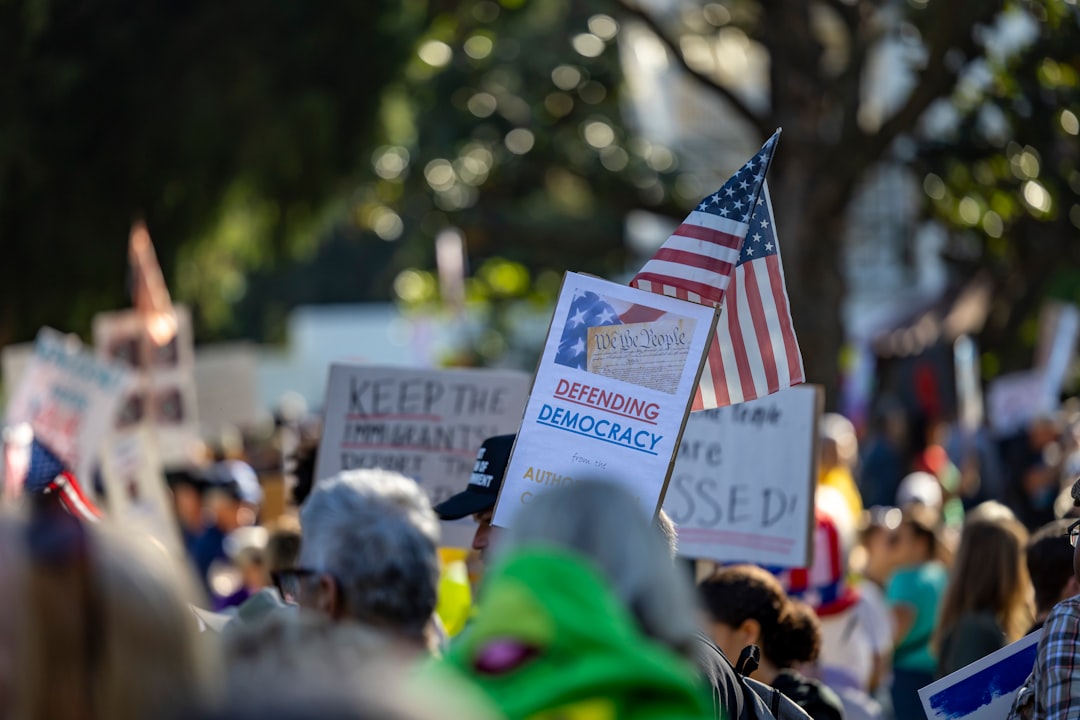
Conversely, the push for control often breeds discontent and resistance. Take, for instance, the recent protests against lockdown measures and vaccine mandates across various countries. These movements, fueled by a desire for personal freedom, highlight the growing rift between those who believe in individual rights and those who advocate for a paternalistic approach to governance. The backlash is a clear signal that people are fed up with being treated like children who can’t make their own decisions.
The Counterargument: Safety in Numbers
Of course, defenders of the WEF’s approach will argue that collective action is essential for addressing global challenges such as climate change and economic inequality. They will tout the benefits of a unified front against these ubiquitous threats, framing dissent as selfishness in the face of a crisis. But this argument is fundamentally flawed. While it’s true that some issues require collective solutions, the means of achieving those solutions should not come at the expense of personal freedoms.
The irony here is palpable. Those who preach about inclusivity and sustainability often advocate for policies that alienate and disenfranchise the very individuals they claim to help. It’s a classic case of the road to hell being paved with good intentions. When we prioritize control over freedom, we risk creating a society where innovation stagnates, dissent is silenced, and individuality is crushed.
The Path Forward
So, what’s the solution? It’s simple: we must resist the urge to surrender our freedoms in exchange for the illusion of control. Embracing individual liberty does not mean ignoring the pressing issues of our time; rather, it means tackling these problems head-on while respecting the autonomy of each person.
We need to advocate for policies that empower individuals to make choices for themselves, rather than relying on a distant elite to dictate the terms of our existence. Encouraging entrepreneurship, supporting local businesses, and promoting personal responsibility are all steps toward creating a society where freedom and control coexist—without one being sacrificed for the other.
In conclusion, the rising tension between freedom and control is a defining issue of our time. As the WEF and its ilk continue to push for a world where control is normalized, it’s crucial that we remain vigilant. We must champion the cause of individual freedom, ensuring that the future we build is one where people are free to live, work, and thrive on their own terms. The stakes are high, and the time to act is now.
Tags: opinion, editorial, current events, freedom, control, World Economic Forum



