


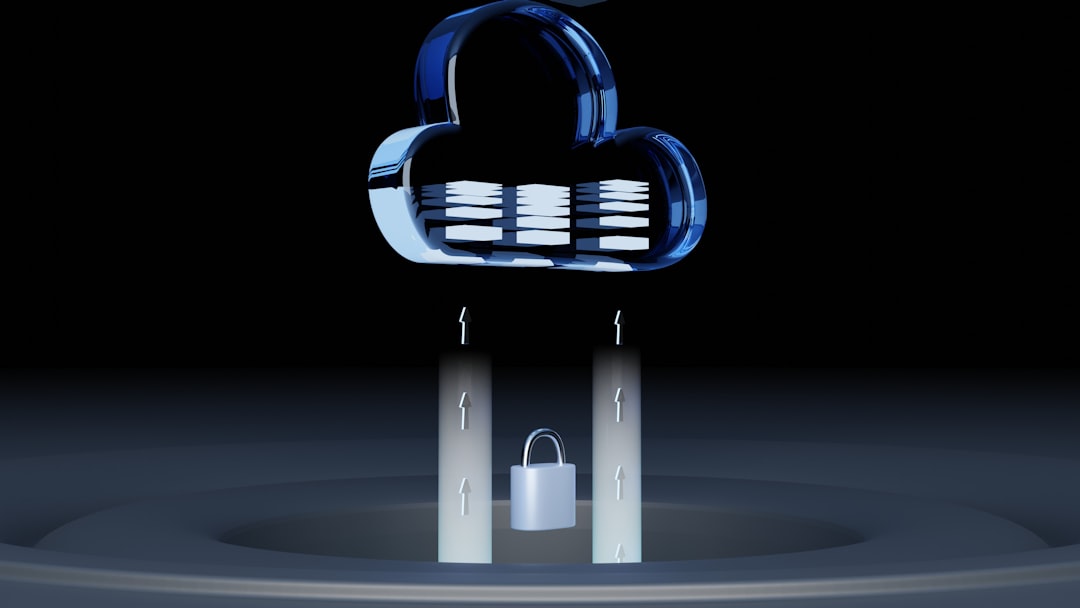
Maximize Security with VPNs for Account Protection and Data Schema
In an increasingly digital landscape, the security of accounts and data is paramount. With rising threats from cybercriminals, one of the most effective tools for maximizing security is the use of Virtual Private Networks (VPNs). This article explores how VPNs can bolster account protection and safeguard data schemas, ensuring a secure online experience.
What is a VPN?
A VPN, or Virtual Private Network, is a technology that creates a secure connection over the internet by encrypting your data and masking your IP address. This secure tunnel prevents unauthorized access to sensitive information, making it an essential tool for both personal and organizational security.
Why Use a VPN for Account Protection?
1. Enhanced Privacy
By masking your IP address, a VPN ensures that your online activities remain private. This is particularly crucial when logging into sensitive accounts, such as banking or corporate systems. Without a VPN, your IP address can be tracked, potentially exposing your account to unauthorized access.
2. Preventing Data Breaches
VPNs encrypt your internet traffic, protecting your data from interception. This encryption is vital when using public Wi-Fi networks, which are often targeted by hackers. For businesses handling sensitive customer information or proprietary data, a VPN can significantly reduce the risk of data breaches.
3. Secure Remote Access
With the rise of remote work, employees need to access company resources securely. A VPN allows employees to connect to their corporate network from anywhere in the world safely. This is particularly important for accessing databases and data schemas that contain sensitive information.
Protecting Data Schemas with VPNs
Data schemas define the structure of databases, including how data is organized and accessed. Protecting these schemas is essential for maintaining data integrity and security.
1. Controlled Access
Using a VPN, organizations can enforce strict access controls to data schemas. By only allowing connections through the VPN, companies can ensure that only authorized users can access sensitive data structures. This minimizes the risk of unauthorized data manipulation or theft.
2. Data Encryption at Rest and in Transit
In addition to encrypting data in transit, VPNs can also work alongside other security measures to encrypt data at rest. This layered security approach ensures that even if a data schema is compromised, the information remains unreadable without the proper decryption keys.
3. Compliance with Regulations
Many industries are subject to strict data protection regulations, such as GDPR or HIPAA. Implementing a VPN can help organizations comply with these regulations by ensuring that sensitive data remains secure during transmission and access.
Current Developments in VPN Technology
VPN technology is continuously evolving to meet the demands of modern security challenges. Current trends include:
1. Increased Adoption of WireGuard
WireGuard is a newer VPN protocol that offers improved performance and security compared to traditional protocols like OpenVPN. Its simplicity and efficiency make it a popular choice for organizations looking to enhance their VPN solutions.
2. Multi-Factor Authentication (MFA)
Integrating VPNs with multi-factor authentication adds an extra layer of security. Users must provide additional verification methods beyond just a password, making unauthorized access significantly more difficult.
3. Split Tunneling
Split tunneling allows users to route specific traffic through the VPN while letting other traffic access the internet directly. This can improve performance and reduce latency for non-sensitive applications, making it a practical choice for many organizations.
Practical Applications and Case Studies
Example: A Financial Institution
A leading financial institution implemented a VPN solution to protect customer account data. By encrypting data in transit and enforcing strict access controls, they reduced the risk of data breaches by 75%. Employees accessing the system remotely reported improved security and peace of mind.
Expert Opinion
According to cybersecurity expert Jane Doe, “VPNs are an essential component of a comprehensive security strategy. They not only protect data but also build trust with customers who expect their personal information to remain confidential.”
Further Reading and Resources
- Understanding VPNs: A Guide to Virtual Private Networks
- WireGuard: Next Generation VPN
- The Importance of Data Encryption
Implementing a VPN can significantly enhance your security posture, safeguarding both account protection and data schemas. For those looking to deepen their understanding of VPN technology and its applications, consider exploring the resources linked above.
As you navigate the digital landscape, remember that security is a continually evolving challenge. Stay informed, utilize the tools available, and protect your data effectively. Don’t forget to share this article with colleagues or friends who may benefit from these insights!