


Maximize Throughput with Asynchronous Mesh and DHCP Solutions
In today’s fast-paced digital landscape, maximizing throughput is essential for any organization aiming for operational efficiency and superior performance. One of the most effective methods to achieve this is through the implementation of Asynchronous Mesh Networks combined with Dynamic Host Configuration Protocol (DHCP) solutions. This article will delve into the intricacies of these technologies, their benefits, and practical applications to help you understand how to maximize throughput effectively.
Understanding Asynchronous Mesh Networks
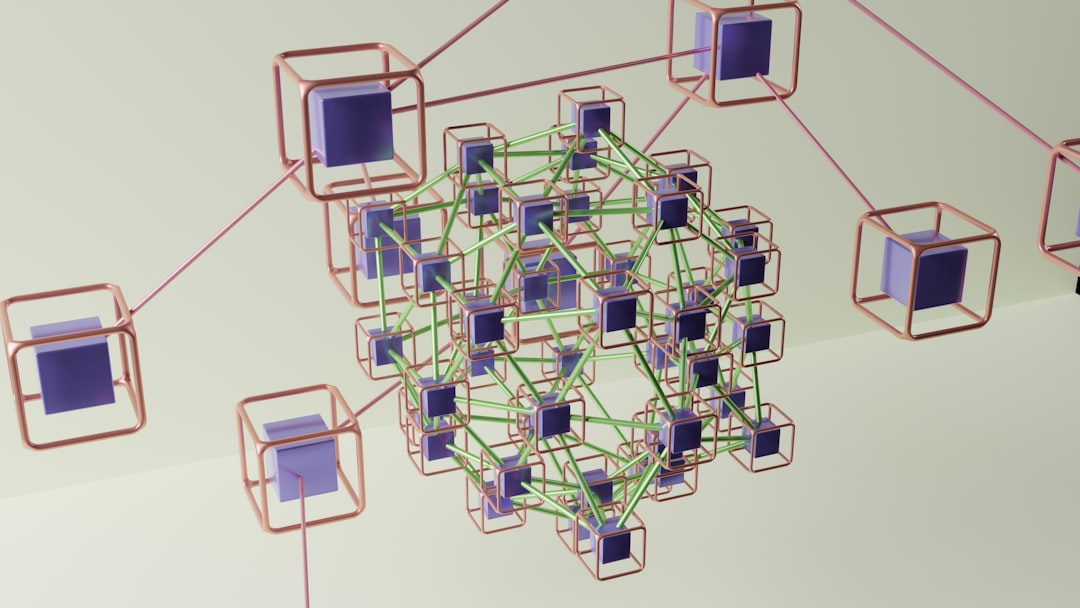
Asynchronous Mesh Networks are decentralized structures that allow devices to communicate with each other without the need for a central coordinating server. This topology enhances data transmission efficiency by enabling multiple paths for data to travel, thus reducing latency and increasing overall throughput.
Key Characteristics of Asynchronous Mesh Networks
- Scalability: As your network grows, adding new nodes is straightforward, allowing for seamless expansion without significant redesign.
- Redundancy: If one node fails, data can reroute through other nodes, ensuring continuous network availability.
- Flexibility: This network type is adaptable to various environments, such as smart homes, enterprise networks, and IoT applications.
The Role of DHCP in Network Efficiency
Dynamic Host Configuration Protocol (DHCP) simplifies network management by automatically assigning IP addresses and configurations to devices on a network. This automation is crucial for maintaining high throughput levels as it minimizes manual configuration errors and decreases the time spent on network setup.
Benefits of Implementing DHCP
- Reduced Configuration Time: Automating the assignment of IP addresses accelerates the onboarding of new devices.
- Error Reduction: DHCP minimizes human errors associated with manual IP configuration, ensuring a more stable network.
- Efficient IP Management: DHCP pool management prevents IP conflicts and optimizes address utilization, crucial for maintaining high performance.
Combining Asynchronous Mesh with DHCP
When integrating Asynchronous Mesh Networks with DHCP, organizations can achieve unparalleled network efficiency. The combination allows for rapid device connectivity, streamlined IP management, and enhanced data throughput. For example, in smart city projects, this integration can enable thousands of IoT devices to function efficiently while maintaining seamless connectivity.
Case Study: Smart City Implementation
A recent initiative in a smart city project utilized an Asynchronous Mesh Network combined with DHCP to manage thousands of connected devices like traffic lights, sensors, and public Wi-Fi. By implementing this network solution, the city reported a 30% increase in data throughput and improved response times for emergency services, demonstrating the effectiveness of this integration.
Emerging Trends in Asynchronous Mesh and DHCP Solutions
As technology advances, new trends are shaping how organizations approach network design:
- Edge Computing: By processing data closer to the source, organizations can reduce latency and improve throughput, leveraging asynchronous mesh networks.
- IoT Expansion: The continued growth of IoT devices necessitates robust DHCP solutions to manage the complexity of device connectivity.
- AI and Machine Learning: These technologies are being integrated into network management systems for predictive analytics, enhancing operational efficiency.
Tools and Resources for Further Learning
To delve deeper into maximizing throughput with Asynchronous Mesh Networks and DHCP solutions, consider the following resources:
Conclusion
Maximizing throughput with Asynchronous Mesh and DHCP solutions offers organizations a pathway to enhanced performance and efficiency. By utilizing these technologies, businesses can streamline their operations, reduce latency, and minimize downtime.
As you explore these solutions, consider how they can be tailored to your unique requirements. Engage with your peers or subscribe to relevant newsletters to keep abreast of the latest developments in network management. Sharing this article with your network can also stimulate discussions on best practices and innovations in maximizing network throughput.
Glossary of Terms
- Throughput: The rate at which data is successfully transmitted over a network.
- IP Address: A unique identifier for a device on a network.
- Latency: The time delay from when a request is made until it is fulfilled.
Harnessing the power of Asynchronous Mesh and DHCP solutions can significantly enhance your organization’s network performance, making it imperative to stay informed about these technologies and their applications.



