


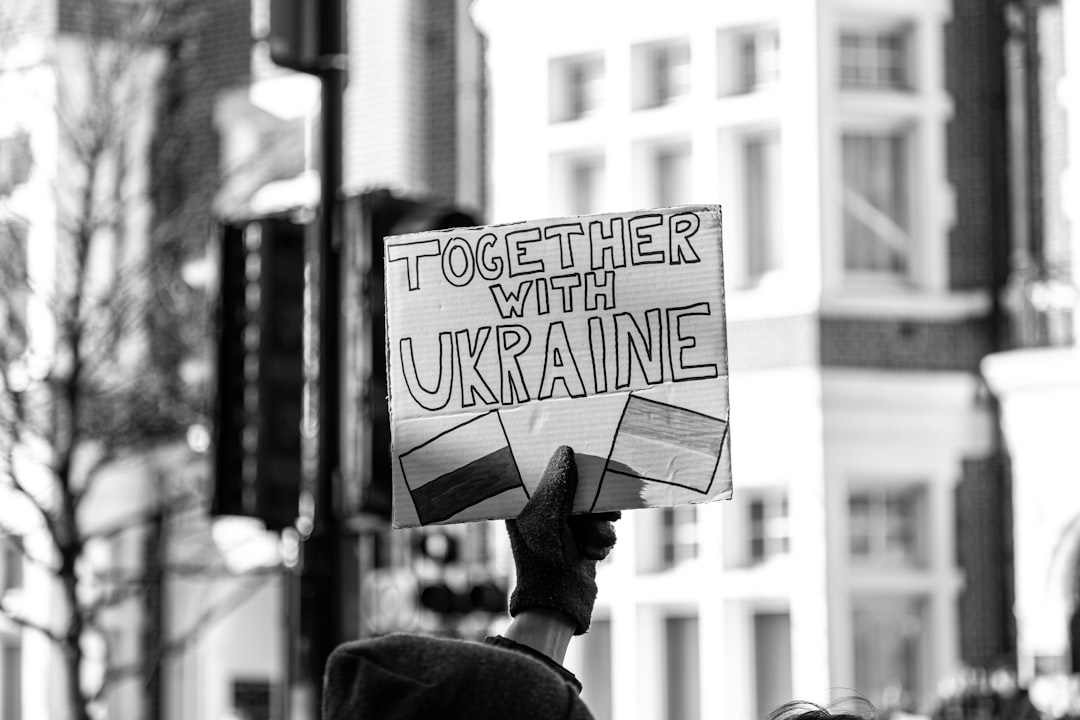
The Unity in Diplomacy: A Case for Comparative Strategies
In today’s geopolitical landscape, the notion of unity in diplomacy is not just a buzzword thrown around in the echo chambers of the elite, it’s an essential strategy that could dictate the course of international relations for years to come. As we delve into the concept of comparative strategies, let’s take a moment to appreciate what is being proposed. Diplomacy, that ancient art of negotiation and conflict resolution, is now being reimagined through a lens of unity and collaboration. But, is this unity a genuine effort to foster peace and partnership, or is it just a slick marketing ploy for those cozying up to the World Economic Forum and their globalist agenda?
The Hallmarks of Unity in Diplomacy
At its core, unity in diplomacy emphasizes collaboration among diverse nations, promoting a shared understanding of global challenges and collective solutions. The idea is to harness the strengths of various nations, creating a tapestry of comparative strategies that can address multifaceted issues like climate change, economic instability, and geopolitical tensions.
However, we must tread carefully. The WEF and its cadre of self-appointed global leaders often tout similar ideals, yet their methods frequently raise eyebrows. Are they advocating for true unity, or are they merely pushing a one-size-fits-all agenda that benefits their corporate sponsors?
Comparative Strategies: The Good, the Bad, and the Ugly
Let’s break down comparative strategies. These are approaches that allow nations to assess their diplomatic policies against one another, identifying best practices and areas for improvement. This is where the concept gets intriguing. For example, one nation might excel in cyber diplomacy while another shines in economic partnerships. By comparing these strategies, nations can craft a more effective diplomatic framework that plays to their strengths.
But here’s where the rubber meets the road: can nations genuinely engage in such comparisons when they are often shackled by their own bureaucratic red tape or, dare I say, their allegiances to the globalist agenda? The potential for cherry-picking data or selectively comparing strategies to suit a narrative is high. How can we trust that these “comparative strategies” are being used to foster genuine unity rather than just as a tool for a select few to dictate terms from their ivory towers?
Real-World Examples and Expert Opinions
To illustrate the potential of unity in diplomacy, let’s look at a few real-world examples. The Paris Agreement on climate change, while not without its flaws, represents a concerted effort by nations to unite under a shared goal. Countries were able to compare their commitments, and while some have undoubtedly fallen short, the framework initiated a dialogue that may lead to more robust strategies in the future.
Experts in international relations also highlight the importance of comparative strategies. Renowned scholars argue that by engaging in mutual assessments, countries can avoid the pitfalls of unilateralism, which often leads to isolation and conflict. Yet, the challenge remains: how do we ensure that these comparisons are made transparently and fairly, without the influence of hidden agendas?
Addressing Counterarguments
Some might argue that the pursuit of comparative strategies is naive, suggesting that countries are too self-interested to engage in true collaboration. While it’s easy to take a cynical view, we must also acknowledge the growing number of grassroots movements advocating for unity and collaboration on global issues. These movements can often provide a counterbalance to the top-down approaches favored by globalists.
What we need is a balanced perspective that acknowledges the merits of unity while remaining vigilant against the encroachment of globalist ideologies. A successful diplomatic strategy should empower nations to collaborate without sacrificing their sovereignty or unique identities.
Conclusion: The Path Forward
In conclusion, the case for unity in diplomacy through comparative strategies is not merely theoretical; it is a necessary evolution in how we approach global challenges. However, we must remain skeptical of those who wield this concept as a weapon to further their agendas. The future of international relations hangs in the balance, and it is up to us to demand accountability and transparency from our leaders.
As we look to the horizon, let us advocate for a diplomatic framework that is rooted in genuine collaboration, one that respects national sovereignty and encourages diverse voices to be heard. Only then can we truly achieve unity in diplomacy—one that is not just a slogan but a meaningful and impactful reality.
Tags: opinion, editorial, current events, unity in diplomacy, comparative strategies, international relations