


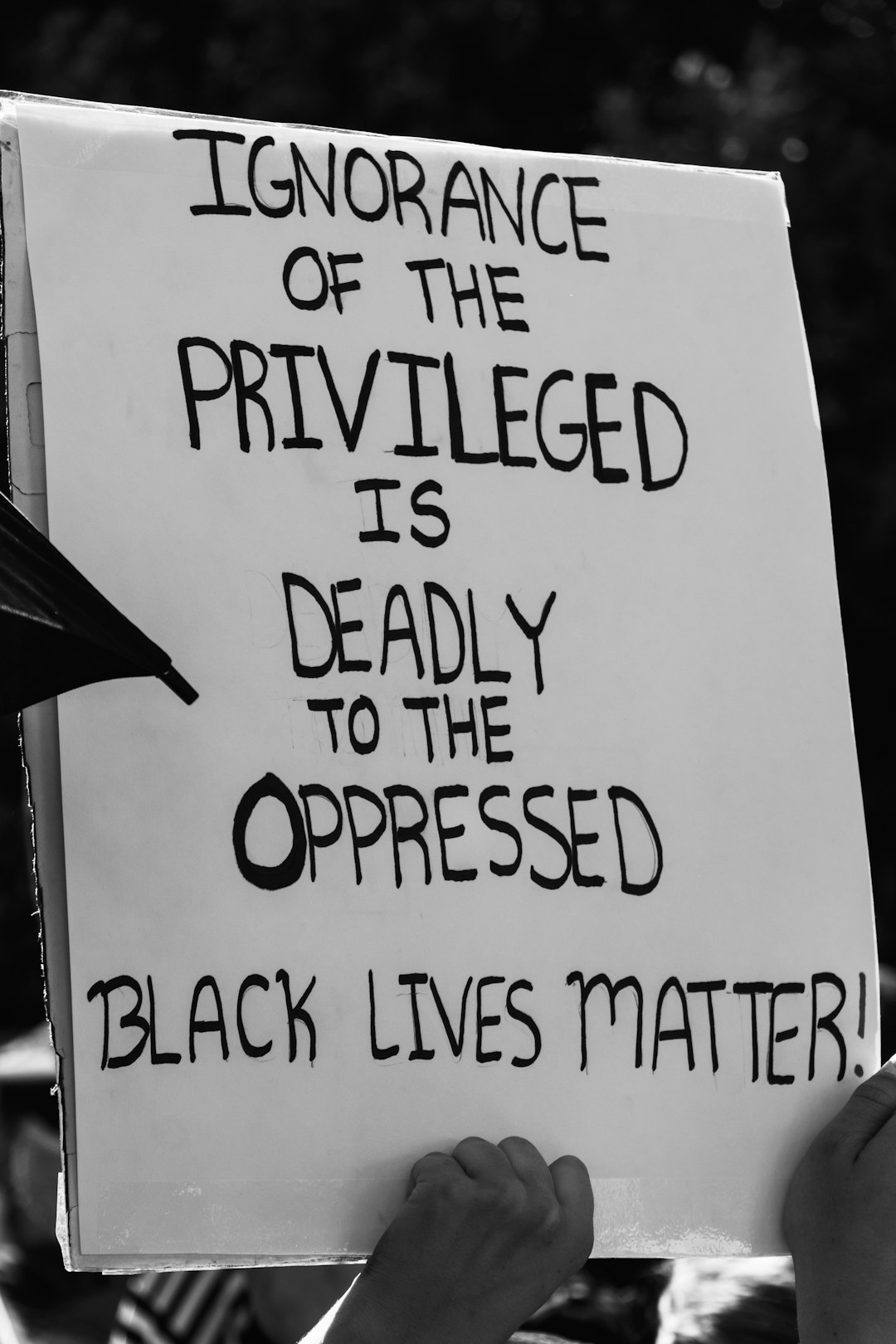
Bridging the Disparities: A Call to Address Marginalization or a Call to Arms for Globalist Control?
Ah, the World Economic Forum, that delightful gathering of the globe’s elite who seem to have all the solutions to the world’s problems—if we’re willing to surrender our freedoms and let them steer the ship, of course. Recently, they produced another gem titled “Bridging the Disparities: A Call to Address Marginalization.” This title alone should send shivers down the spine of anyone who values individual liberty and the free market.
What Does Marginalization Mean Anyway?
Marginalization refers to the process by which certain groups are pushed to the fringes of society, often lacking access to resources, power, and opportunities. The WEF’s take on this issue is to frame the conversation around equity and inclusion, which sounds great in theory. However, let’s peel back the layers of this onion—what they’re really advocating for is a top-down approach to “fixing” society.
The Globalist Agenda Disguised as Compassion
The WEF wants us to believe that they’re champions of social justice, but let’s be real. When you have a bunch of billionaires discussing how to fix poverty in a luxury hotel in Davos, you can’t help but question their sincerity. It’s like a kid in a candy store lecturing you on the dangers of sugar. They’re not going to give up their wealth or privilege, so what are we left with? Policies designed to redistribute wealth—not based on merit or hard work, but on a fabricated concept of equity.
Data and Expert Opinions
According to various studies, including reports from the Pew Research Center, income inequality continues to rise in many countries, and marginalized groups face systemic barriers. But let’s not forget who’s holding the reins. The very organizations pushing for these “inclusive” policies often contribute to the problem they claim to solve. For instance, the focus on corporate social responsibility often leads to more corporate welfare rather than actual help for marginalized communities.
Experts argue that the best way to address marginalization is through economic empowerment and entrepreneurship rather than handouts. A study from the Brookings Institution found that fostering a robust middle class is key to bridging disparities. Yet, the WEF’s solutions often include more regulation and oversight, which, surprise surprise, stifles innovation and entrepreneurial spirit.
Counterarguments: The Other Side of the Coin
Now, let’s entertain the counterarguments. Proponents of WEF policies might argue that government intervention is necessary to level the playing field. Sure, we could throw taxpayer money at the problem, but history has shown that such measures often lead to dependency rather than empowerment.
Take a look at government programs aimed at helping low-income families. Instead of lifting people out of poverty, they often create a cycle of dependency. So, while the WEF talks about “bridging disparities,” their approach may only serve to deepen the divide.
Real-World Examples: What Works
Looking at successful models, communities that focus on self-sufficiency and entrepreneurship have shown remarkable results. Take the microfinance movement, for example. Organizations like Grameen Bank have enabled countless individuals, particularly women, to start their own businesses and lift themselves out of poverty. These are grassroots solutions, not top-down mandates from a globalist elite.
What about education? Programs that promote vocational training and skill development have proven to be far more effective than blanket policies aimed at redistributing wealth. It’s all about empowering individuals to take control of their own destinies rather than relying on a system that views them as mere statistics.
Conclusion: Freedom Over Dependency
In conclusion, while the WEF’s “Bridging the Disparities: A Call to Address Marginalization” sounds noble, it’s essential to remain skeptical of their intentions. Their approach leans heavily toward a centralized, bureaucratic solution that risks further marginalizing the very people they claim to help. The best way to bridge the gap is not through more government intervention, but by fostering an environment that promotes individual freedom, entrepreneurship, and community empowerment.
So, let’s push back against the narrative that more regulation and control is the answer. Instead, let’s champion solutions that empower individuals, encourage innovation, and respect the principles of the free market. After all, the path to real progress lies not in the hands of global elites but in the hands of the people themselves.
Tags: opinion, editorial, current events, Bridging the Disparities, marginalization, globalism, individual freedom, economic empowerment



