


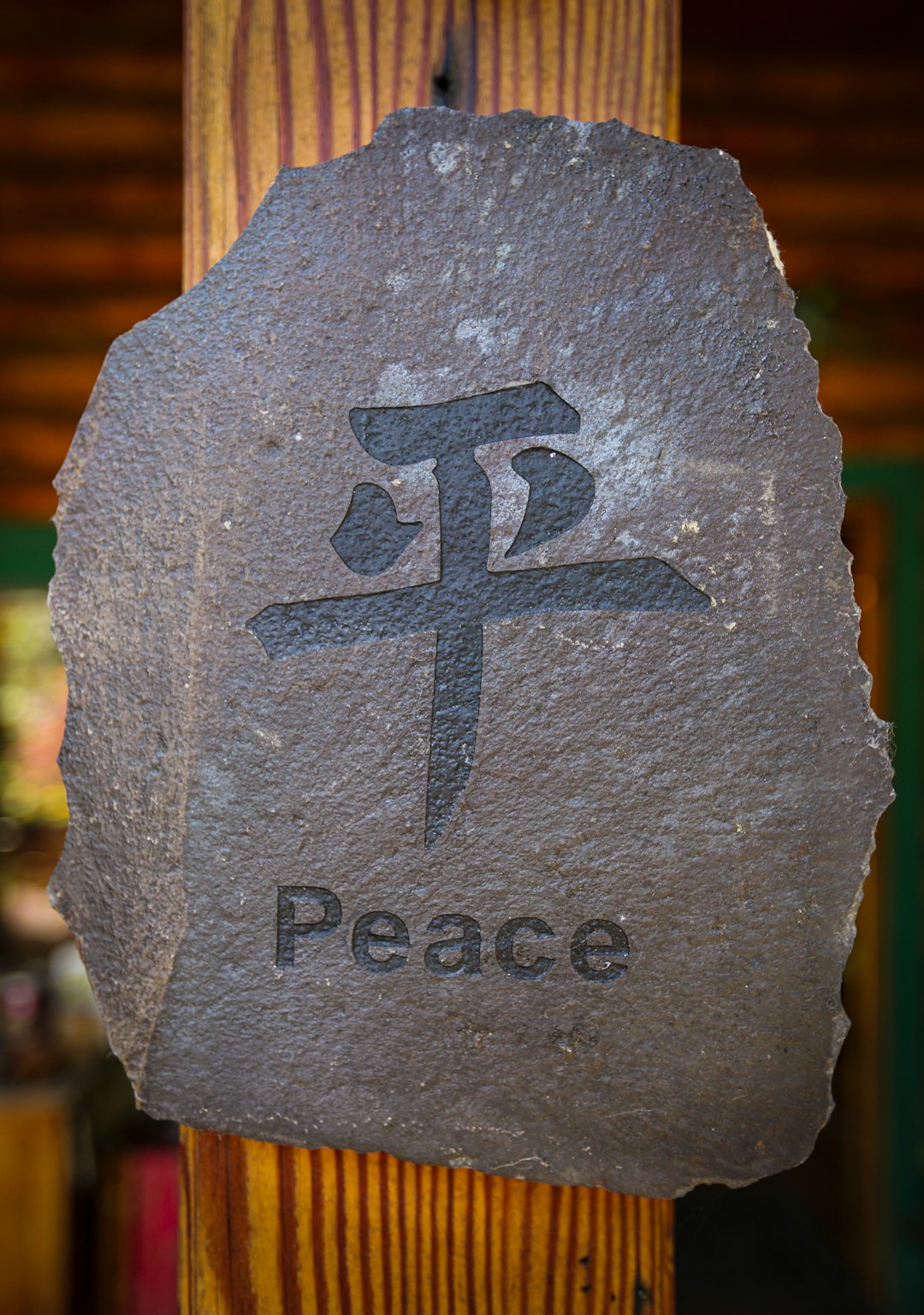
Embrace Peace and Resilience for Enhanced Wellness Today
In today’s fast-paced world, cultivating peace and resilience is essential for achieving enhanced wellness. These two elements not only improve your mental health but also contribute to physical wellbeing. This article will delve into the significance of embracing peace and resilience, providing actionable strategies backed by research to help you on your journey to wellness.
Understanding Peace and Resilience
What is Peace?
Peace is often defined as a state of tranquility or quietness. In the context of wellness, it refers to an inner calmness that can help mitigate stress and anxiety. Peace fosters a positive mindset, contributing to emotional stability and overall health.
What is Resilience?
Resilience is the capacity to recover quickly from difficulties. It involves the ability to adapt and bounce back from challenges, whether they be personal, professional, or health-related. Research shows that resilient individuals have better coping mechanisms and are more likely to maintain their mental and physical health in the face of adversity.
The Connection Between Peace, Resilience, and Wellness
Recent studies have established a clear link between peace, resilience, and overall wellness. A peaceful mindset can reduce cortisol levels, the stress hormone, leading to lower blood pressure and improved heart health. Additionally, resilience allows individuals to handle stress more effectively, reducing the likelihood of anxiety and depression.
Latest Research Findings
A study published in the Journal of Health Psychology highlights that individuals who practice mindfulness and meditation—key practices for fostering peace—experience significant improvements in mental health. Furthermore, research in Psychological Science indicates that resilience training can enhance emotional regulation and improve coping strategies.
Practical Strategies for Embracing Peace and Resilience
1. Mindfulness Meditation
Mindfulness meditation is an effective way to cultivate peace. Start with just five minutes a day, focusing on your breath and letting go of distractions. Over time, gradually increase the duration. Apps like Headspace or Calm can provide guided sessions to support your practice.
2. Journaling
Writing about your thoughts and feelings can enhance self-awareness and promote emotional processing. Consider maintaining a gratitude journal where you note down things you appreciate daily. This practice can shift your mindset towards positivity, fostering peace.
3. Physical Activity
Regular physical activity is crucial for both peace and resilience. Exercise releases endorphins, which can significantly improve your mood. Aim for at least 30 minutes of activity most days of the week. Whether it’s walking, yoga, or dancing, find what you enjoy.
4. Building Connections
Social support is vital for resilience. Surround yourself with positive influences and engage in meaningful conversations. Consider joining community groups or online forums that share your interests.
5. Limit Media Exposure
In our hyperconnected world, constant exposure to news can heighten anxiety. Set boundaries around your media consumption. Designate specific times for checking the news, allowing you to stay informed without becoming overwhelmed.
6. Professional Support
If you find it challenging to embrace peace or resilience, don’t hesitate to seek help from a mental health professional. Therapists can provide tailored strategies and support for your wellness journey.
Addressing Common Misconceptions
Many people believe that achieving peace and resilience is an overnight process. In reality, it requires consistent effort and practice. It’s also a common misconception that vulnerability is a weakness; in fact, acknowledging your struggles can be a powerful step towards building resilience.
Encouragement for Your Wellness Journey
Remember, embracing peace and resilience is a personal journey, and it’s okay to take small steps. Celebrate your progress, no matter how minor it may seem. Surround yourself with supportive individuals who uplift you, and don’t be afraid to share your experiences.
Further Reading and Resources
For those looking to dive deeper into the concepts of peace and resilience, consider exploring the following resources:
- The Benefits of Mindfulness
- Building Resilience in Children and Teens
- Positive Psychology: The Science of Happiness
Conclusion
Embracing peace and resilience is essential for enhanced wellness. By incorporating mindfulness, physical activity, and social connections into your daily life, you can cultivate a healthier mindset. Start today by implementing one or two strategies from this guide and watch how your overall wellness flourishes.
If you found this article helpful, consider sharing it with others who may benefit from these insights. Prioritize your health and wellness, and remember that every small step counts on this journey.