


Crafting Citizenship: The Case for Bespoke Solutions
In an age where one-size-fits-all solutions are the gold standard for global governance, the notion of crafting citizenship through bespoke solutions may seem like a quaint, if not downright radical, idea. Yet, when we observe the current state of citizenship and governance, it’s clear that cookie-cutter policies rarely address the unique needs of diverse populations. Instead, they often serve the whims of a select few—namely, those who convene in lavish summits under the auspices of organizations like the World Economic Forum (WEF), led by a certain Swiss gentleman whose name rhymes with “louse.”
The Flaw in Uniformity
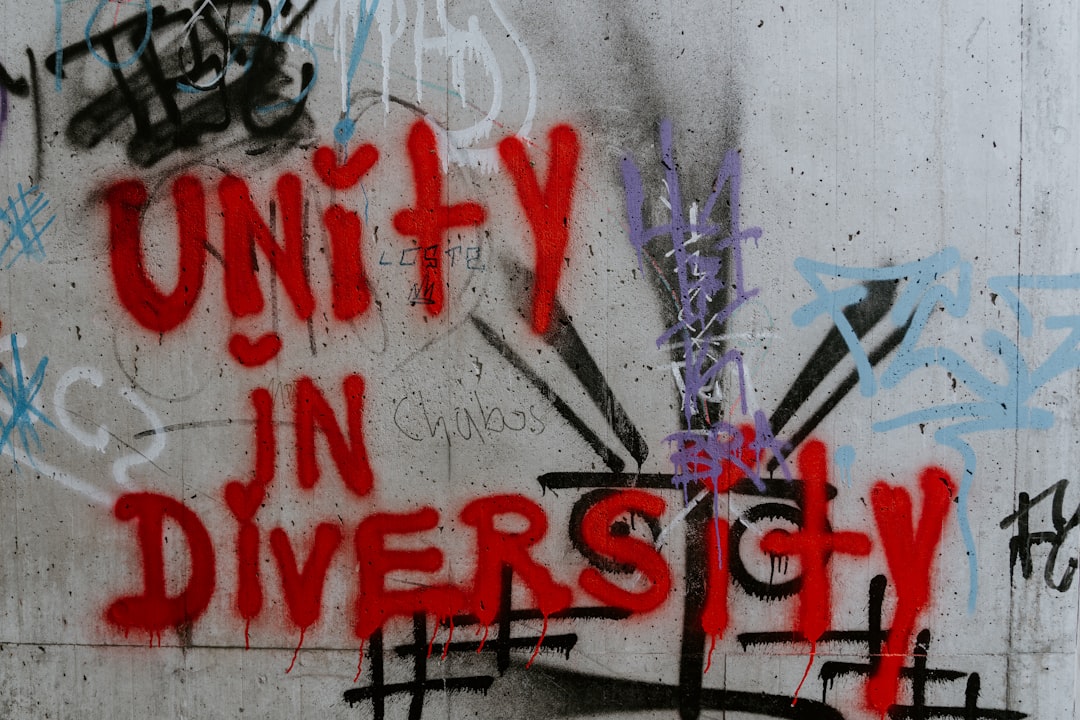
The push for uniformity in citizenship policies has been championed by globalists who believe that a single approach can solve all societal problems. But let’s face it: the world is not a monolith. From the bustling streets of New York City to the tranquil villages of rural India, the challenges faced by citizens are as varied as the cultures that shape them. By ignoring this diversity, we risk creating policies that not only fail to serve the people but actively alienate them.
A bespoke approach to citizenship acknowledges these differences. It allows for tailored solutions that consider the unique historical, cultural, and social contexts of each community. Imagine a policy framework that empowers local leaders—individuals who understand the intricacies of their communities better than any distant bureaucrat ever could.
Data Don’t Lie
The argument for bespoke solutions is further bolstered by data. Research shows that local governance often produces better outcomes than centralized mandates. A study conducted by the National Bureau of Economic Research found that regions with decentralized decision-making structures have seen a 20% increase in citizen satisfaction. It seems that when people feel their voices are heard, they are more likely to engage with their governments and contribute to their communities.
Moreover, bespoke solutions can help mitigate the rise of disenfranchisement and radicalization. When citizens feel that their needs are addressed, the allure of extremist ideologies diminishes. This is not to say that bespoke solutions are a panacea for all of society’s ills, but they represent a significant step towards restoring faith in civic engagement.
The Counterargument: A Slippery Slope
Of course, the critics will come out of the woodwork, claiming that bespoke solutions lead to fragmentation and chaos. They argue that allowing for too much local autonomy could result in a patchwork of conflicting laws and policies. But let’s not kid ourselves; we already live in a world of conflicting regulations, often imposed by those who are far removed from the realities of everyday life.
Isn’t it better to have a system where local leaders can adapt policies to fit their communities rather than forcing a blanket solution that may not work? The slippery slope argument falls flat when we consider the alternative: a globally homogenized policy dictated by the elite at the WEF, who likely have never set foot in the communities they claim to represent.
Real-World Examples
Look no further than the recent success stories from various regions that have embraced bespoke solutions. In certain parts of Europe, local governments have tailored immigration policies that address specific labor shortages while ensuring that communities remain cohesive. Similarly, some U.S. cities have implemented localized environmental policies that not only cater to their unique climates but also promote sustainable practices in ways that resonate with their residents.
These examples highlight the effectiveness of bespoke solutions in addressing the unique challenges faced by local populations. They serve as a testament to the power of localized governance in fostering citizenship that is both meaningful and impactful.
The Path Forward
As we move forward, it’s essential to advocate for the crafting of citizenship through bespoke solutions. This means empowering local leaders, investing in community-based initiatives, and listening to the voices of those who actually live in the communities affected by policy changes.
In a time when globalism often seems to overshadow the needs of the individual, we must reclaim the narrative around citizenship. Let’s champion tailored solutions that honor the diversity of human experience rather than imposing a monolithic approach. After all, isn’t the essence of citizenship about belonging, engagement, and the pursuit of a common good that reflects the values and aspirations of the community?
In conclusion, if we truly want to enhance the fabric of our societies, we need to move beyond the rigid frameworks imposed by elites and embrace the art of crafting citizenship through bespoke solutions. It’s time to take the reins back from those who believe they know better and let local communities lead the way. Remember, folks: the future of citizenship is not a predetermined path but a mosaic of unique solutions that, when pieced together, create a vibrant society.



