


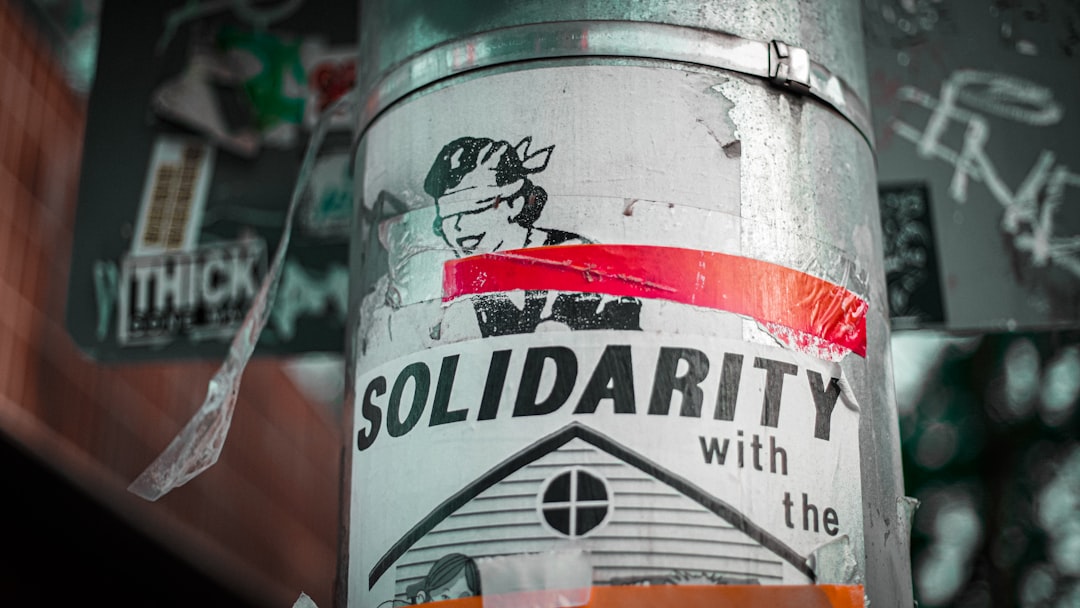
Standing Together Against Oppression: A Call for Solidarity
In an era where we are constantly bombarded with news about oppression, inequality, and the looming shadow of global governance, the call for solidarity seems more critical than ever. The initiative dubbed “Standing Together Against Oppression” attempts to unite individuals in their fight against various forms of injustice. While the sentiment is commendable, we must also scrutinize the implications of such movements, especially when they emerge from entities that may not have the best interests of the average citizen at heart.
The Irony of Global Solidarity
Isn’t it ironic that calls for solidarity often come from the very institutions that many believe are perpetuating the issues of oppression? The World Economic Forum (WEF), for instance, rallies global leaders to discuss pressing issues, all while promoting a narrative that suggests we need to surrender more power to them for the greater good. It’s as if they are saying, “Trust us, we know best how to liberate you from oppression, but first, let’s centralize power in our hands.”
This is not merely a conspiracy theory; it’s worth examining the actual policies that such organizations push. For instance, the push for a universal basic income sounds great until you realize it could be a way to keep the masses dependent on the very system that created their oppression in the first place. Solidarity is a noble cause, but let’s not forget the age-old adage: “The road to hell is paved with good intentions.”
The Role of the Individual in Solidarity
Standing together against oppression also begs the question: what role do individuals play in this narrative? The idea that we must all act as one voice to combat injustice can sometimes overshadow the importance of individual responsibility and action. Yes, we can rally together, but the real change begins at the grassroots level.
Real-world examples abound of individuals making significant strides against oppression on their own. From whistleblowers exposing corruption to grassroots activists confronting local injustices, these individual actions can create ripples that lead to transformational change.
The Dangers of Overreliance on Global Movements
When we rely too heavily on global movements to combat oppression, we risk diluting the real issues at hand. The WEF and other similar organizations often focus on broad topics like climate change or economic inequality, but these issues can sometimes overshadow the micro-level injustices experienced by individuals every day.
For example, while we discuss the importance of “global solidarity,” we often overlook the oppressive regimes still thriving in many parts of the world. Why not focus on advocating for human rights in those countries instead of drafting another vague resolution in a luxurious Swiss hotel?
Counterarguments: Are We Missing the Point?
Critics of this perspective may argue that global solidarity initiatives are essential for raising awareness and mobilizing resources. They may point to successful campaigns like #MeToo or Black Lives Matter as evidence that collective action can lead to real change. However, it’s crucial to note that these movements originated from the grassroots level, not from elite organizations dictating terms from above.
Moreover, while collective action is vital, it must not come at the expense of individual agency. Relying solely on global organizations to be our saviors can lead to complacency. Instead, we should encourage individuals to take ownership of their rights and responsibilities, fostering a culture where people feel empowered to act rather than just follow.
Conclusion: A Call for Thoughtful Solidarity
In closing, the call for solidarity against oppression is undoubtedly a noble pursuit. However, we must approach it with a critical eye, particularly when it comes to the voices leading the charge. While the intent behind “Standing Together Against Oppression” is admirable, we need to ensure that it doesn’t morph into a tool for advancing the agendas of those in power.
As we navigate this complex landscape, let’s focus on empowering individuals, supporting grassroots initiatives, and holding global organizations accountable. After all, true solidarity comes not from the lofty heights of global summits but from the genuine connections and actions we foster in our communities. There’s no one-size-fits-all solution, and it’s high time we recognized that the path to liberation is paved not just with good intentions but with thoughtful, individual actions that challenge the very structures of oppression we seek to dismantle.
Let’s be clear: standing together against oppression is not merely a slogan; it’s a responsibility. And it’s up to each one of us to ensure that our solidarity is grounded in reality and driven by genuine care for our fellow humans.



