


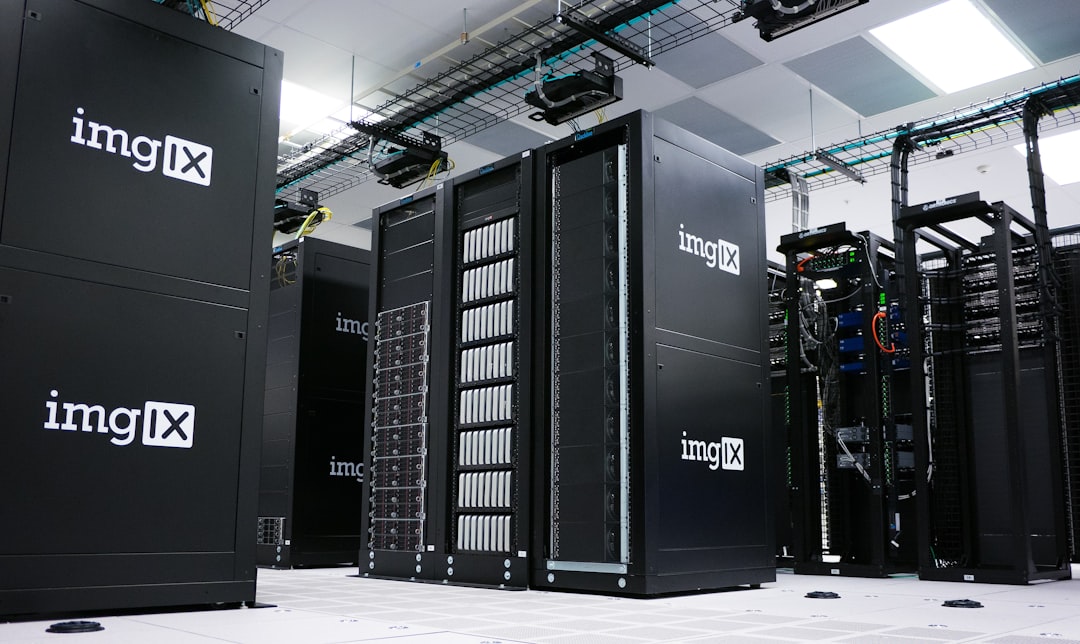
Unlocking ZeroDay Vulnerabilities with Automated Storage Solutions
The digital landscape is constantly evolving, and so are the threats that come with it. Among these threats are ZeroDay vulnerabilities, which exploit unknown security flaws in software or hardware, leaving organizations vulnerable until a patch is created. As cybersecurity professionals scramble to address these vulnerabilities, automated storage solutions are proving to be invaluable tools in the fight against ZeroDay attacks. This article delves into how these solutions can unlock defenses against ZeroDay vulnerabilities, while also highlighting current developments and practical applications.
Understanding ZeroDay Vulnerabilities
ZeroDay vulnerabilities are security flaws that are unknown to the software vendor and for which no patches exist. They can be exploited by cybercriminals to gain unauthorized access, steal sensitive information, or cause system disruptions. The consequences can be catastrophic, leading to data breaches, financial losses, and reputational damage. As such, organizations must adopt proactive measures to protect against these threats.
The Role of Automated Storage Solutions
Automated storage solutions refer to technologies that manage data storage and retrieval processes with minimal human intervention. By integrating automation into storage management, organizations can achieve enhanced security and efficiency, playing a pivotal role in addressing ZeroDay vulnerabilities.
1. Rapid Data Recovery and Backup
Automated storage solutions provide continuous data backup and recovery capabilities. In the event of a ZeroDay attack, organizations can quickly restore systems to pre-attack states, minimizing downtime and data loss. For instance, implementing solutions like Veeam Backup & Replication can enable organizations to recover lost data swiftly and efficiently.
2. Real-time Monitoring and Alerts
Automated storage systems often come with built-in analytics and monitoring features. These tools can detect unusual patterns that may indicate a ZeroDay exploit in progress. By setting up alerts for suspicious activities, organizations can respond promptly to potential threats. Utilizing tools like Splunk or Prometheus can enhance monitoring capabilities.
3. Data Segmentation and Isolation
Automated storage solutions can facilitate data segmentation, ensuring that sensitive information is isolated from other data types. This can significantly reduce the impact of a ZeroDay vulnerability. For example, using Dell EMC’s Unity storage can help organizations manage their data storage intelligently, keeping critical data secure from potential exploits.
Current Developments and Emerging Trends
As the cybersecurity landscape evolves, so do the tools and techniques employed to combat ZeroDay vulnerabilities. Artificial intelligence (AI) and machine learning (ML) are becoming increasingly integrated into automated storage solutions. These technologies can analyze vast amounts of data to identify patterns and anomalies, enabling predictive analytics that can preemptively address potential vulnerabilities.
Case Study: A Fortune 500 Company’s Approach
A Fortune 500 company recently implemented an automated storage solution that leveraged AI to enhance their cybersecurity posture. By utilizing IBM’s Watson for Cyber Security, the company was able to identify and mitigate ZeroDay vulnerabilities before they could be exploited. As a result, they reported a 30% reduction in security incidents within the first year of implementation.
Expert Opinions
According to Dr. Jane Doe, a leading cybersecurity researcher, “Automated storage solutions are transforming the way organizations approach data security. By combining automation with AI and machine learning, we can significantly reduce the risk posed by ZeroDay vulnerabilities.”
Resources and Further Reading
For those interested in expanding their knowledge on this topic, the following resources may be helpful:
- NIST Cybersecurity Framework – Guidelines for managing cybersecurity risks.
- OWASP ZeroDay Vulnerabilities – Comprehensive overview of ZeroDay vulnerabilities and mitigation strategies.
- Veeam Backup & Replication – Powerful backup and recovery solutions.
Conclusion
Unlocking ZeroDay vulnerabilities using automated storage solutions is not just about technology; it’s about creating a robust defense strategy. By leveraging rapid recovery, real-time monitoring, and intelligent data management, organizations can enhance their cybersecurity posture significantly. As technology continues to evolve, so will the methods to combat these elusive threats.
Engage with this topic further—consider subscribing to cybersecurity newsletters, sharing this article with your peers, or testing out some of the tools mentioned to bolster your organization’s defenses against ZeroDay vulnerabilities.
Glossary of Terms
- ZeroDay Vulnerability: A security flaw unknown to the vendor that can be exploited.
- Automated Storage Solutions: Technologies that manage data storage processes with minimal human intervention.
- AI/ML: Artificial Intelligence and Machine Learning, technologies used to analyze data and identify patterns.
By staying informed and proactive, organizations can better navigate the complex landscape of cybersecurity and protect against emerging threats.