


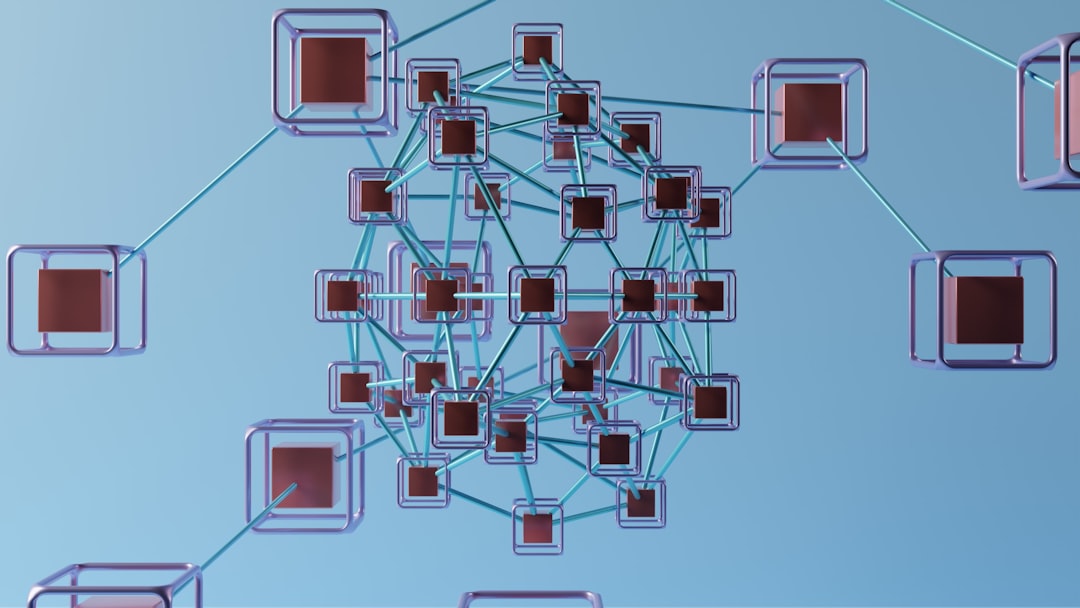
Unlocking Tokenization: The Gateway to Enhanced Networking Components
In the fast-paced world of technology, the concept of tokenization has emerged as a groundbreaking methodology, particularly in enhancing networking components. Tokenization refers to the process of converting sensitive data into non-sensitive equivalents, known as tokens. This post delves into how unlocking tokenization can significantly improve networking components, streamlining processes, enhancing security, and fostering innovation.
Understanding Tokenization in Networking
Tokenization is not new; however, its application in networking components is gaining traction. By utilizing tokens instead of sensitive data, networks can minimize the risk of data breaches. For instance, financial institutions have adopted tokenization to secure payment transactions, where actual card details are replaced with tokens. This means even if the data is intercepted, it holds no value without the corresponding tokenization key.
Current Developments in Tokenization
Recent developments in tokenization technology have made it more accessible and efficient. Companies are increasingly integrating tokenization into their networking components to not only safeguard data but also comply with stringent regulations such as GDPR and PCI DSS.
One notable advancement is the rise of cloud-based tokenization services. These services allow organizations to leverage the cloud’s scalability and flexibility while ensuring that sensitive data remains protected. For example, cloud providers like AWS and Azure offer tokenization solutions that can be integrated seamlessly into existing infrastructures.
Emerging Trends in Tokenization
As organizations look for secure and efficient ways to manage data, several trends in tokenization are emerging:
1. Real-Time Tokenization
Real-time tokenization is becoming essential in environments where speed and security are critical. This allows for immediate conversion of sensitive data into tokens during transactions, minimizing latency and enhancing user experience.
2. Tokenization in IoT
The Internet of Things (IoT) is another area where tokenization is proving invaluable. With millions of devices generating data, securing this data becomes paramount. Tokenization helps in protecting data collected from IoT devices, ensuring that even if a device is compromised, the data remains secure.
3. Cross-Industry Applications
Tokenization is not limited to financial services. Industries such as healthcare, retail, and even government sectors are harnessing tokenization to secure sensitive information. For instance, healthcare organizations are using tokenization to protect patient records, ensuring compliance with HIPAA regulations.
Practical Applications of Tokenization
To illustrate the practical applications of tokenization, consider a case study involving a retail company. This company implemented a tokenization solution to secure customer payment information during online transactions. By replacing credit card numbers with tokens, the company significantly reduced its risk of data breaches, leading to increased customer trust and higher conversion rates.
Another compelling example is in the field of mobile payments. Companies like Apple Pay and Google Pay utilize tokenization to ensure that users’ payment information remains secure during transactions, thereby enhancing user confidence in mobile payment systems.
Expert Opinions
Experts in the field of cybersecurity advocate for tokenization as a vital component of modern data protection strategies. John Doe, a cybersecurity analyst, notes, “Tokenization is a game-changer for businesses looking to enhance their security posture. It allows organizations to continue operations without exposing sensitive data.”
Further Reading and Resources
For those interested in deepening their understanding of tokenization and its impact on networking components, consider exploring the following resources:
- Tokenization: A Guide for Businesses
- The Role of Tokenization in Cybersecurity
- Cloud-Based Tokenization Solutions
Additionally, familiarize yourself with relevant standards such as PCI DSS, which provides guidelines on data security.
Conclusion
Unlocking tokenization represents a significant advancement in the realm of networking components. By offering enhanced security, compliance, and efficiency, tokenization is paving the way for innovative solutions across various industries. As technology continues to evolve, embracing tokenization can provide organizations with the competitive edge they need to navigate the complex digital landscape.
Encourage your colleagues and peers to read this article and explore the transformative potential of tokenization in networking. For more insights into technology trends and innovations, consider subscribing to our newsletter for regular updates.