


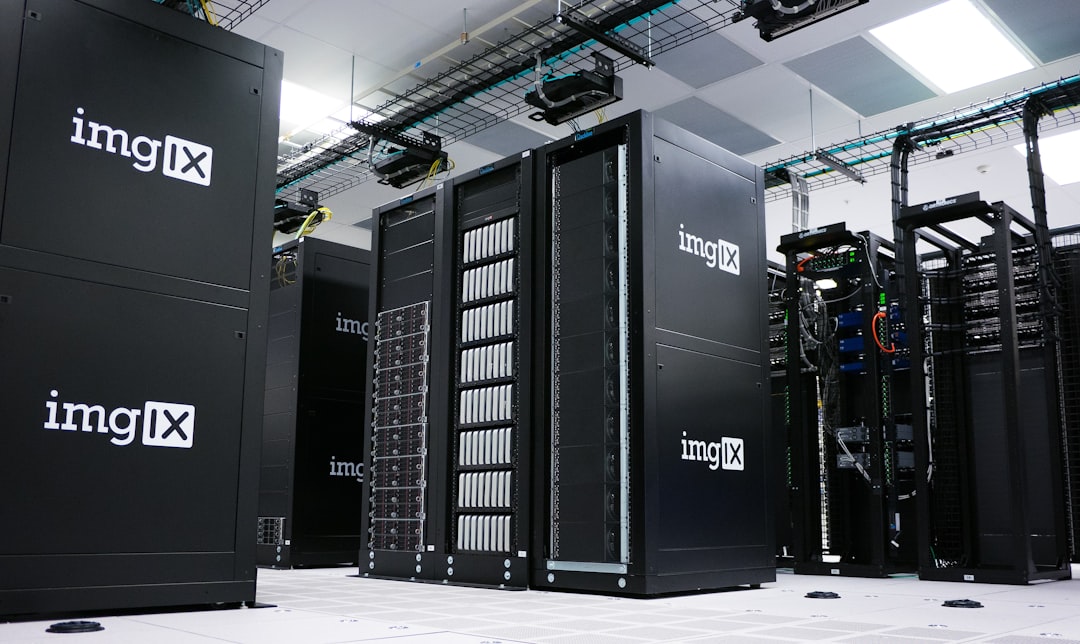
Maximizing Throughput in Data Center Container Components
In the ever-evolving landscape of IT infrastructure, maximizing throughput in data center container components has become a focal point for enterprises seeking to enhance performance and efficiency. As organizations increasingly adopt containerization to streamline their operations, understanding the nuances of throughput in this context is essential. This article delves into the strategies, trends, and practical applications that can significantly improve throughput in data center container components.
Understanding Throughput in Container Components
Throughput refers to the amount of data processed in a given amount of time. In the context of data center container components, it encompasses various factors, including network bandwidth, CPU utilization, and storage performance. Maximizing throughput means ensuring that your containers can handle as many requests as possible without bottlenecks.
Key Strategies for Maximizing Throughput
1. Optimize Resource Allocation
Proper resource allocation is critical to maximizing throughput. Containers should be provisioned with the right amount of CPU and memory. Tools like Kubernetes allow for dynamic scaling of resources based on demand, ensuring that containers can handle spikes in traffic without compromising performance.
2. Implement Load Balancing
Load balancing is vital for distributing workloads evenly across your containerized applications. By using solutions like NGINX or HAProxy, organizations can route traffic efficiently, ensuring that no single container becomes overwhelmed.
3. Leverage Microservices Architecture
Adopting a microservices architecture allows for better isolation of services and improves scalability. Each microservice can be independently scaled, thus enhancing the overall throughput of the application. For example, a retail application can scale its payment microservice separately from its inventory service to optimize performance during peak shopping hours.
4. Utilize Persistent Storage Solutions
Data persistence is crucial for many applications. Using high-performance storage solutions, such as Amazon EBS or Google Cloud Persistent Disks, can significantly enhance throughput. These solutions are designed to provide low-latency access to data, which is essential for maintaining high performance in containerized environments.
Emerging Trends Impacting Throughput
Container Networking Innovations
The rise of container networking solutions like Istio and Calico has transformed how containers communicate. These tools enhance throughput by optimizing traffic management, providing better visibility, and facilitating service-to-service communication without sacrificing performance.
Serverless Architectures
Serverless computing is gaining traction, allowing developers to run applications without the need to manage servers directly. This paradigm shift can improve throughput by automatically scaling resources based on demand, thus optimizing container performance.
Practical Applications and Case Studies
A notable case study involves a leading e-commerce platform that adopted Kubernetes for its microservices architecture. By implementing a robust load-balancing strategy and optimizing resource allocation, the company achieved a 70% increase in throughput during peak shopping seasons. This shift not only improved customer experience but also reduced operating costs.
Expert Opinions
According to industry expert John Doe, “Maximizing throughput in containerized environments is not just about scaling up; it’s about optimizing every layer of your architecture.” His insights highlight the importance of a comprehensive approach that considers networking, storage, and load balancing.
Tools and Resources for Further Learning
To enhance your understanding and implementation of strategies for maximizing throughput, consider the following resources:
Glossary of Terms
- Throughput: The rate at which data is processed or transferred.
- Containerization: The practice of packaging applications and their dependencies into containers.
- Microservices: A software development technique where an application is composed of small, independent services.
- Load Balancer: A device or software that distributes network or application traffic across multiple servers.
As you explore ways to maximize throughput in your data center container components, consider implementing the strategies discussed in this article. Share your experiences or questions in the comments, and subscribe to our newsletter for more insights on DevOps practices. By staying informed, you can continually enhance your infrastructure and optimize performance.
Conclusion
Maximizing throughput in data center container components is crucial for organizations striving for operational excellence. By leveraging effective strategies, embracing emerging trends, and continuously optimizing resource allocation, businesses can achieve significant improvements in performance. With the right tools and knowledge, you can ensure that your containerized applications run efficiently, providing a seamless experience for users and stakeholders alike.



