


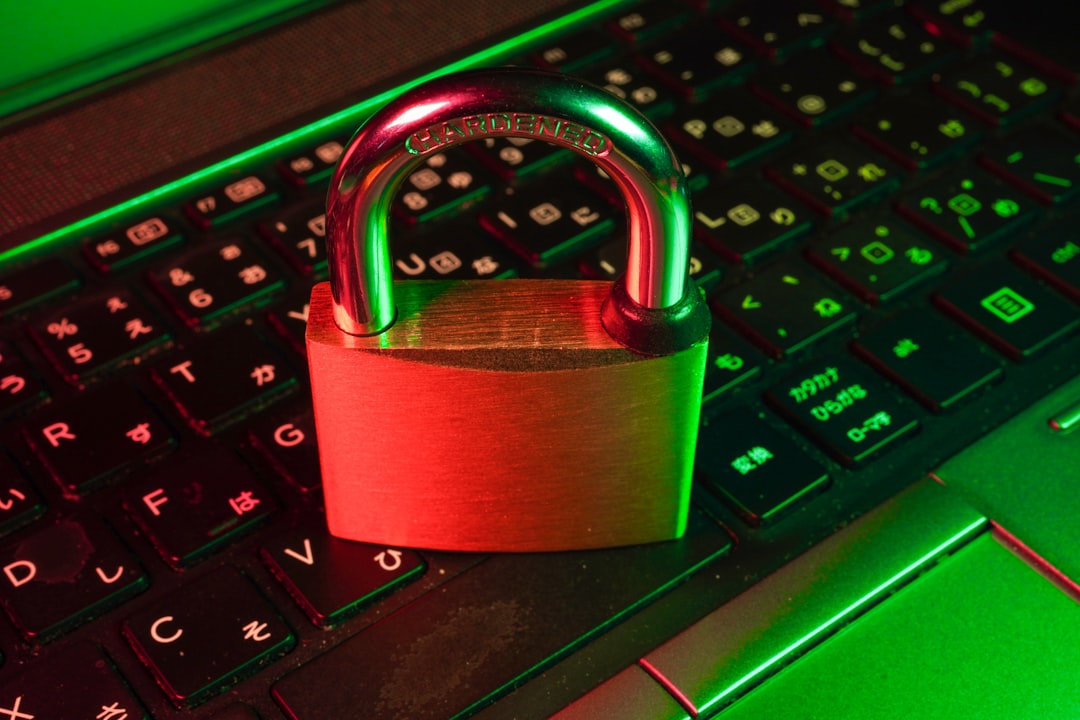
Protecting Your Wifi Byte From Digital Espionage
In the modern digital landscape, your home network is no longer a private sanctuary; it is a gateway to your personal life, finances, and professional identity. The concept of protecting your wifi byte from digital espionage has evolved from a niche security concern into a fundamental necessity for every internet user. As connectivity expands through smart homes and IoT devices, the attack surface grows, making robust encryption and vigilant monitoring essential. Understanding how to secure your wireless traffic is the first line of defense against sophisticated cyber threats lurking in the shadows of public and private networks.
The Hidden Threat of Unencrypted Traffic
Every time you send a packet of data over a standard Wi-Fi network, that information travels as a stream of wifi bytes. Without proper protection, these bytes are vulnerable to interception by malicious actors employing man-in-the-middle attacks. Hackers can capture sensitive credentials, banking details, and even private messages if the encryption protocols on your router or device are weak or outdated.
The rise of technology trends towards always-on connectivity means that devices sleep and wake constantly, broadcasting signals that can be sniffed. A recent case study involving a major retail chain revealed how unsecured guest networks allowed attackers to harvest customer login information for hours before detection. This underscores the critical importance of enabling WPA3 encryption and disabling legacy protocols like WEP or WPA2-TKIP, which are easily cracked with modern hardware.
Leveraging Innovation in Network Security
Innovation in cybersecurity is driving new tools designed specifically to protect your wifi byte from digital espionage. Next-generation firewalls and AI-driven threat detection systems now analyze traffic patterns in real-time to identify anomalies that suggest an ongoing intrusion. These systems do not just block known malware; they learn your typical usage behavior, flagging unusual data exfiltration attempts instantly.
Experts in the field emphasize that passive monitoring is insufficient. “Security must be proactive,” notes Dr. Elena Rostova, a leading researcher in network defense. “The moment you assume your wifi byte is safe because it is encrypted, you invite complacency. True security involves continuous validation of your encryption keys and regular updates to firmware.”
Practical Steps for Enhanced Privacy
Implementing practical applications of security best practices is crucial for maintaining privacy. One effective strategy involves using a Virtual Private Network (VPN) whenever connecting to unsecured networks. A VPN encapsulates your data, ensuring that even if an attacker intercepts the wifi bytes, they only receive encrypted gibberish. This adds a layer of indistinguishability that thwarts eavesdropping efforts.
Furthermore, consider upgrading your router hardware. Many legacy devices lack support for modern security standards and are prone to remote code execution vulnerabilities. Switching to a router with built-in intrusion prevention systems (IPS) can automatically isolate compromised devices within your network, preventing lateral movement by attackers.
The Role of Smart Gadgets and IoT Security
As gadgets become more interconnected, the complexity of securing your home network increases. Smart thermostats, security cameras, and voice assistants often operate with limited processing power, making it difficult to run advanced security software locally. However, this does not mean they are unsafe if configured correctly.
Manufacturers are increasingly adopting innovation in IoT security by embedding secure boot processes and over-the-air update mechanisms directly into devices. Before purchasing new smart home technology, always check for recent firmware updates and reviews regarding their security posture. A device that supports regular patching is significantly harder to exploit than one running on an outdated OS.
Emerging Trends in Wireless Defense
Current developments in wireless defense include the adoption of Software-Defined Networking (SDN) principles in residential environments. This allows users to dynamically adjust network segmentation, creating isolated zones for sensitive devices like smart locks or financial hubs. By separating your primary browsing traffic from IoT device traffic, you minimize the risk that a compromised smart bulb could serve as a backdoor into your main computer.
Additionally, spectral analysis tools are becoming more accessible to consumers. These tools allow users to visualize radio frequency usage, helping identify rogue access points or unauthorized devices scanning for vulnerabilities on your network. Regularly auditing your signal with these tools ensures that no stray wifi bytes are leaking from unauthenticated sources.
Expert Resources and Further Learning
To deepen your understanding of protecting your wifi byte from digital espionage, explore resources provided by organizations like the Electronic Frontier Foundation (EFF). Their guide on wireless security offers detailed instructions on configuring routers and selecting secure encryption standards. Additionally, tutorials from major cloud providers often cover best practices for securing home gateways with enterprise-grade features.
For those interested in technical implementation, reviewing documentation on setting up Wi-Fi Protected Setup (WPS) correctly is vital, as misconfiguration here can lead to unauthorized access. Understanding the difference between WPA2 and WPA3 encryption protocols will further arm you against evolving threats.
Conclusion: A Call to Action
Securing your digital footprint requires a blend of technical vigilance and informed decision-making. By staying ahead of technology trends and leveraging the latest in innovation, you can create a fortress around your home network. Remember, every wifi byte carries potential value, and protecting it is an ongoing process, not a one-time task.
Subscribe to our newsletter for weekly updates on emerging cyber threats and security tips tailored to your needs. Share this article with friends and family to help them understand the critical importance of securing their wireless connections. Together, we can build a safer digital future where privacy remains intact against the tide of digital espionage.