


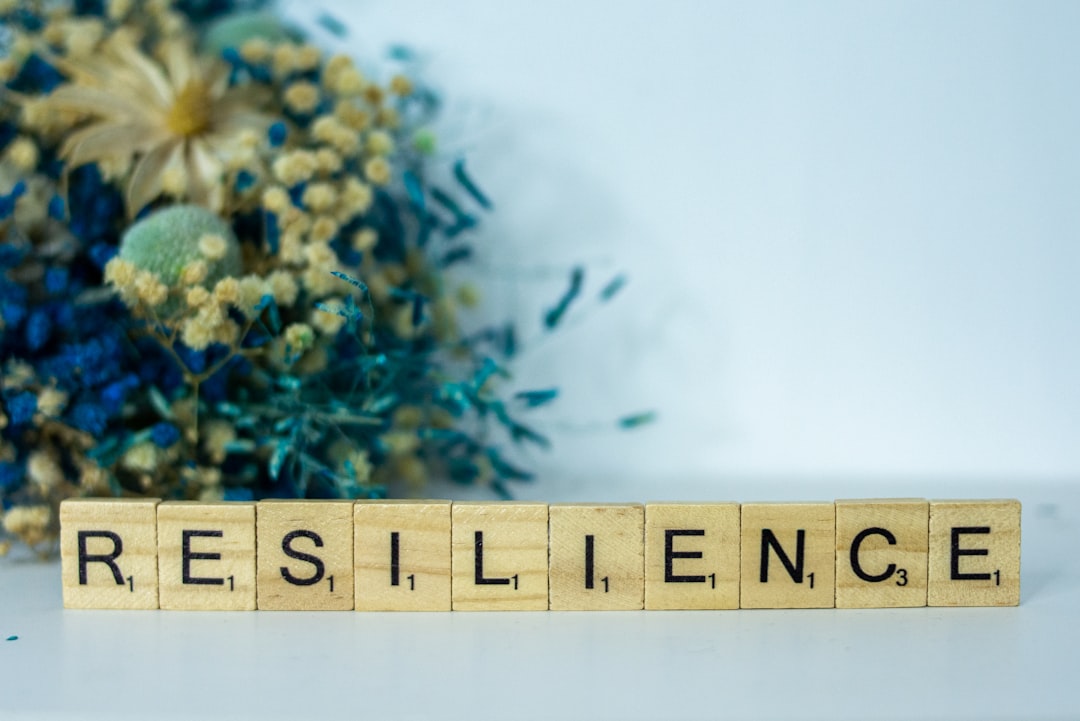
Cultivate Resilience Through Wellness and Restoration for Better Growth
In an era defined by constant connectivity and rapid change, the ability to bounce back from stress is no longer just a desirable trait; it is a fundamental requirement for sustained success. The concept of cultivating resilience through wellness and restoration is central to achieving better growth in both physical health and professional life. This holistic approach moves beyond simple recovery, focusing instead on building a robust foundation that allows individuals to thrive under pressure. Research consistently shows that resilience is not an innate trait you are born with, but a skillset developed through deliberate practices involving nutrition, sleep hygiene, and mental restoration.
The Science of Restoration for Enhanced Performance
Restoration is the physiological process where the body repairs tissue, replenishes energy stores, and resets neural pathways after periods of high demand. Recent studies in chronobiology indicate that without adequate restoration phases, the body enters a state of allostatic load, where stress hormones remain elevated, leading to chronic inflammation and burnout. True wellness involves strategically scheduling downtime not as a reward for hard work, but as a biological necessity for growth.
The latest findings suggest that deep sleep and active recovery days are critical components of this equation. During deep sleep, the brain clears out metabolic waste products like beta-amyloid, which accumulate during intense cognitive labor. Furthermore, periods of digital detoxification allow the nervous system to shift from a sympathetic state (fight or flight) to a parasympathetic state (rest and digest). This switch is essential for lowering cortisol levels and preventing the adrenal fatigue that often hinders personal and professional development.
Practical Strategies for Daily Integration
Implementing these principles requires actionable strategies that can be woven into daily routines. One of the most effective methods is optimizing your nutritional intake to support cellular repair. Foods rich in antioxidants, such as berries, leafy greens, and fatty fish like salmon, provide the building blocks necessary to combat oxidative stress. Pairing this with intermittent fasting protocols can give the digestive system a break, allowing for enhanced autophagy, where cells clean out damaged components.
Mindfulness practices also play a pivotal role in restoring mental clarity. Techniques such as box breathing or guided meditation have been proven to reduce amygdala reactivity, the brain’s fear center. By dedicating even ten minutes a day to these practices, individuals can significantly lower their baseline stress levels. Additionally, incorporating physical movement that is enjoyable rather than punishing helps release endorphins without adding to the cortisol burden associated with high-intensity interval training performed when already fatigued.
Addressing Common Misconceptions
A prevalent misconception regarding resilience is the belief that it means suppressing emotions or pushing through exhaustion. Many people think that if they are tired, they should simply push harder to prove their strength. However, this approach often leads to a crash rather than growth. True resilience acknowledges limits and respects the body’s signals for rest. Another common myth is that wellness is a one-size-fits-all solution. In reality, effective restoration strategies vary greatly depending on individual biology, lifestyle constraints, and specific health conditions. What works for one person may not work for another, necessitating a personalized approach to building resilience.
It is also important to distinguish between rest and idleness. Rest is an active engagement in activities that recharge the battery, whereas idleness often involves rumination or passive scrolling on social media, which can keep the mind agitated. Effective restoration requires intentionality and presence.
Tools and Resources for Your Journey
To further expand your knowledge and assist with related tasks, several resources are available. The American Psychological Association offers extensive guides on stress management techniques that have been peer-reviewed and validated. For those interested in the nutritional side, the Academy of Nutrition and Dietetics provides evidence-based meal planning tools to support recovery. Additionally, apps like Headspace or Calm provide structured meditation courses tailored for beginners.
Glossary of Terms
- Allostatic Load: The wear and tear on the body caused by chronic stress.
- Autophagy: A cellular process where cells clear out damaged components to regenerate.
- Parasympathetic Nervous System: The part of the nervous system responsible for rest, digestion, and recovery.
- Oxidative Stress: An imbalance between free radicals and antioxidants in the body.
By embracing these principles, you can transform resilience from a vague concept into a tangible reality. Prioritizing your health today creates the momentum needed for significant growth tomorrow. Share this guide with friends who need to hear that rest is productive. Subscribe to our newsletter for weekly wellness tips that keep you grounded and growing. Remember, your journey toward better growth starts with a single step toward restoration.



