


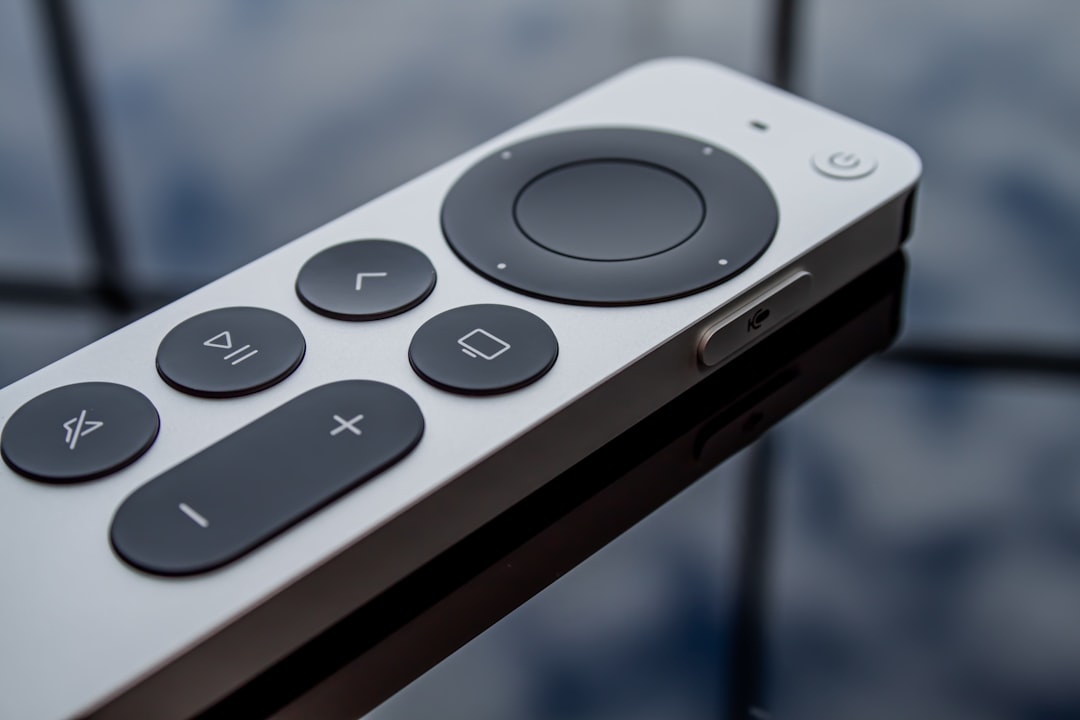
Graphical Fake Bluetooth Remote Control Tips
In the rapidly evolving landscape of smart home technology, users often seek seamless integration between their mobile devices and entertainment systems. One of the most effective methods to achieve this control without purchasing additional hardware is through Graphical Fake Bluetooth Remote Control Tips. These digital solutions simulate a physical remote interface directly on your smartphone or tablet screen, offering a convenient way to manage TVs, audio receivers, and streaming devices. This guide explores the nuances of these tools, their benefits, and how to leverage them effectively within your modern gadget ecosystem.
Understanding the Technology Behind Graphical Remotes
The concept of a Graphical Fake Bluetooth Remote Control relies on sophisticated infrared (IR) or Bluetooth Low Energy (BLE) emulation software. Unlike traditional remotes that broadcast signals via dedicated radio frequencies, these applications act as a bridge. They interpret touch inputs on your screen and translate them into specific command codes recognized by your target device. This process is often referred to as infrared blaster technology when paired with hardware dongles, or direct app-based pairing for Bluetooth-enabled devices like smart TVs and soundbars.
Experts in the field of consumer electronics note that “the shift toward software-defined remotes represents a significant innovation in user interface design.” By utilizing pre-existing protocols such as RC-5 or NEC, these apps can mimic the exact behavior of a physical remote, ensuring compatibility with legacy hardware while enabling modern control features. This convergence of technology trends allows users to consolidate multiple devices into a single, unified control hub.
Key Benefits of Using Digital Remote Solutions
Adopting Graphical Fake Bluetooth Remote Control Tips offers several distinct advantages over traditional handheld controllers. The primary benefit is the elimination of physical clutter. Instead of hunting through drawers for a lost remote, you simply unlock your smartphone and launch the application. This convenience aligns perfectly with current gadgets evolution, where wireless connectivity is paramount.
Furthermore, these applications often provide enhanced functionality not found in standard remotes. Many apps include macro capabilities, allowing users to create custom scenes—such as turning on the “Movie Mode” which simultaneously dims lights and starts a specific channel. This level of customization empowers users to tailor their entertainment experience precisely to their needs. Additionally, accessibility features are often superior, with larger touch targets and voice command integration that aid users with mobility challenges.
Practical Applications and Real-World Scenarios
The practical application of Graphical Fake Bluetooth Remote Control Tips extends beyond simple volume adjustment. Consider a home theater setup where you have an older TV paired with a new soundbar. By installing a compatible app on your Android or iOS device, you can link the two without expensive universal remotes. The app acts as a virtual intermediary, sending precise commands to toggle input sources and adjust audio levels.
Case studies in smart home integration frequently highlight how these tools facilitate the management of multiple devices. For instance, users often employ these apps to control projector displays or legacy gaming consoles that lack native smartphone support. By mapping specific button presses on the graphical interface to the device’s hardware inputs, users can achieve full functionality without modifying the underlying hardware. This flexibility is a cornerstone of modern innovation in consumer electronics.
Security and Compatibility Considerations
While convenient, it is essential to approach Graphical Fake Bluetooth Remote Control Tips with an eye toward security and compatibility. When utilizing Bluetooth connections, ensure that your device employs encrypted pairings to prevent unauthorized access to your home network. Always verify the manufacturer’s documentation regarding supported protocols before attempting to link a new device.
It is advisable to keep your control applications updated to ensure they support the latest communication standards. Compatibility issues can arise if a third-party device uses a proprietary protocol not yet supported by popular remote apps. In such cases, utilizing an IR Blaster accessory can bridge the gap between Bluetooth-only smartphones and IR-controlled devices, expanding the range of compatible gadgets significantly.
Future Trends in Remote Control Interfaces
Looking ahead, the trajectory of remote control technology points toward even more intuitive interactions. Emerging trends suggest a move away from purely graphical interfaces toward gesture-based controls and augmented reality overlays. Imagine pointing your phone at your TV to see floating volume sliders or selecting content directly from the screen using hand gestures. These advancements will further blur the line between the digital and physical worlds, enhancing the user experience for everyone.
As technology trends continue to accelerate, we can expect deeper integration with voice assistants like Siri and Google Assistant within these graphical interfaces. This hybrid approach combines the precision of touch controls with the convenience of voice commands, creating a robust ecosystem for home automation.
Recommended Resources for Further Exploration
To deepen your understanding of remote control emulation, explore documentation on Bluetooth Low Energy standards from official developer portals. Reviewing tutorials on setting up IR blasters can also provide valuable insights into hardware-software integration. Many tech blogs offer detailed guides on mapping specific button codes to various TV brands, which is crucial for troubleshooting connectivity issues.
For those interested in the technical underpinnings, studying the RC-5 and NEC protocol specifications is highly recommended. These resources provide a clear foundation for understanding how signal transmission works in home entertainment systems. Additionally, checking community forums dedicated to smart home automation can yield user-tested tips on optimizing app performance and resolving common pairing errors.
By embracing Graphical Fake Bluetooth Remote Control Tips, you not only streamline your home setup but also participate in the broader shift toward interconnected, software-driven living environments. Stay informed about these developments to ensure your entertainment system remains as agile and responsive as the rest of your digital life.