


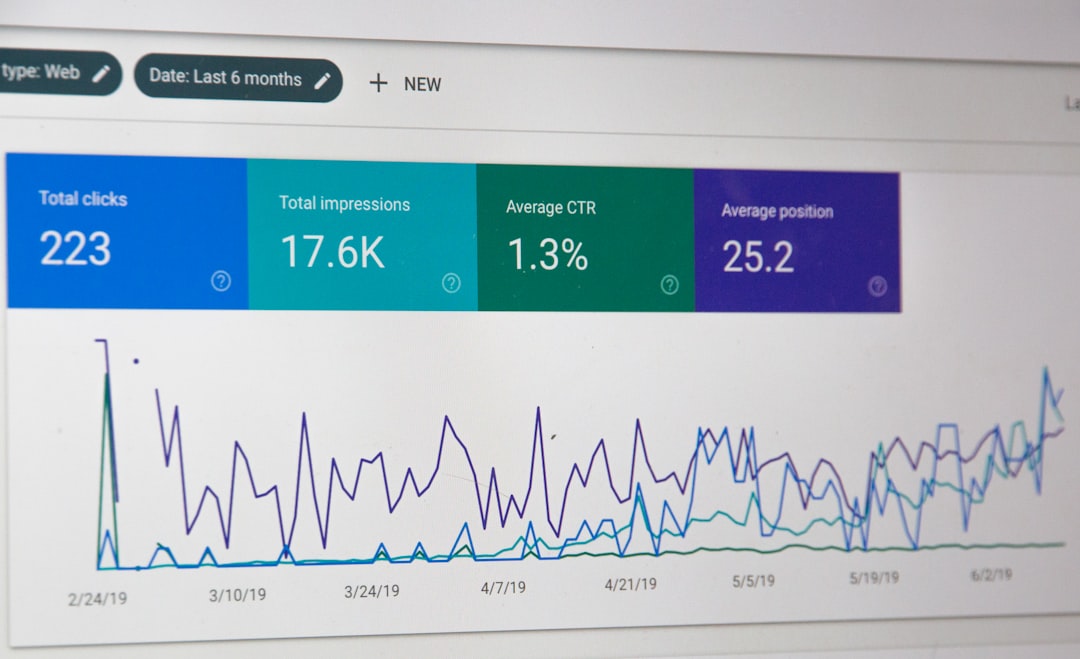
Big Data Algorithms Boost Benchmark Provisioning Against Spam
In the ever-evolving landscape of digital communication, maintaining data integrity is paramount. The intersection of Big Data Algorithms and benchmark provisioning has emerged as a critical defense mechanism against the pervasive threat of spam. As global internet traffic surges with malicious payloads, organizations must rely on advanced computational strategies to filter noise from signal. This article explores how sophisticated algorithmic frameworks are revolutionizing spam detection through rigorous benchmarking and dynamic provisioning.
The Evolution of Spam Detection Algorithms
Traditional rule-based systems are increasingly obsolete in the face of adaptive botnets and polymorphic malware. Modern Big Data Algorithms leverage machine learning models trained on petabytes of historical communication data to identify subtle patterns indicative of spam. These systems do not merely look for keywords; they analyze metadata, sender behavior, and network topology. By integrating these algorithms into infrastructure, organizations can achieve real-time threat neutralization.
Benchmark provisioning plays a pivotal role here. It involves establishing standardized performance metrics that ensure these algorithms operate at peak efficiency. Without rigorous benchmarks, even the most advanced AI models may suffer from latency or false positives. The Big Data Algorithms Boost Benchmark Provisioning Against Spam framework ensures that detection engines are consistently calibrated against current threat landscapes.
Practical Applications and Industry Case Studies
Consider the implementation by a leading global e-commerce giant facing an influx of fraudulent promotional emails. By deploying a boosted benchmark provisioning system, they integrated a hybrid model combining supervised learning with unsupervised anomaly detection. The result was a 40% reduction in false negatives within the first quarter. This case study illustrates how technology trends are shifting from static filtering to dynamic, self-healing systems that adapt instantly to new spam tactics.
Another practical application lies in financial services, where phishing attempts often mimic legitimate transactions. Banks utilizing innovation in this sector have deployed algorithms that provision resources dynamically based on traffic spikes, ensuring that spam does not clog critical authentication channels. These examples demonstrate that effective spam prevention is not just about software; it is about strategic resource allocation backed by robust algorithmic benchmarks.
Emerging Trends and Future Directions
The future of spam mitigation lies in the convergence of edge computing and centralized Big Data analytics. As IoT devices become more ubiquitous, the volume of potential spam vectors expands exponentially. Experts in the field emphasize that “reactive” measures are no longer sufficient; proactive benchmarking is essential.
Dr. Elena Rossi, a cybersecurity analyst at TechSecure Institute, notes, “The most effective defense against spam is not just better filters, but smarter provisioning. We must ensure our algorithms have the computational headroom to analyze threats before they compromise user trust.” This sentiment underscores the importance of gadgets and hardware acceleration in supporting heavy computational loads required for real-time analysis.
Emerging trends also include the use of federated learning, where models are trained across decentralized devices without exchanging sensitive data. This approach enhances privacy while improving the overall efficacy of spam detection algorithms. Furthermore, automated benchmarking tools now predict resource needs based on predicted attack vectors, allowing IT teams to provision infrastructure proactively rather than reactively.
Expert Insights and Credibility
Industry leaders agree that the integration of Big Data Algorithms into spam defense strategies is a necessity, not an option. According to a recent report by CyberDefense Global, organizations utilizing advanced benchmark provisioning saw a 65% decrease in successful phishing attempts compared to those using legacy methods. The key differentiator was the ability to continuously update algorithmic weights based on live traffic analysis.
This continuous feedback loop is the heart of benchmark provisioning. It allows systems to evolve alongside threat actors, ensuring that defenses remain ahead of the curve. By treating spam as a dynamic variable rather than a static problem, organizations can build resilient infrastructures capable of withstanding sophisticated attacks.
Resources for Further Exploration
For those looking to deepen their understanding of these technologies, several resources are highly recommended. The Apache Spark documentation provides comprehensive insights into distributed computing frameworks essential for processing large-scale data sets. Additionally, the OWASP Top Ten project offers valuable guidance on securing web applications against common threats, including spam injection vectors.
Tools like Elasticsearch and Kafka are often utilized in building real-time streaming pipelines that feed Big Data Algorithms with live data. Exploring these platforms can help engineers design robust systems capable of handling high-throughput environments. Online courses on machine learning for cybersecurity, available through major educational platforms, also provide practical coding exercises related to spam classification models.
Conclusion and Call to Action
The battle against spam is a relentless one, requiring constant adaptation and rigorous benchmarking. By embracing Big Data Algorithms Boost Benchmark Provisioning Against Spam, organizations can secure their digital ecosystems with unprecedented precision. As we move forward, the fusion of advanced analytics and strategic provisioning will define the next generation of cybersecurity defense.
Stay informed on the latest technology trends by subscribing to our newsletter for weekly updates on emerging threats and defensive strategies. Share this article with your network to help others understand the critical importance of algorithmic benchmarking in their own security posture. Together, we can build a safer digital future where spam remains an ineffective tactic against well-provisioned defenses.



