


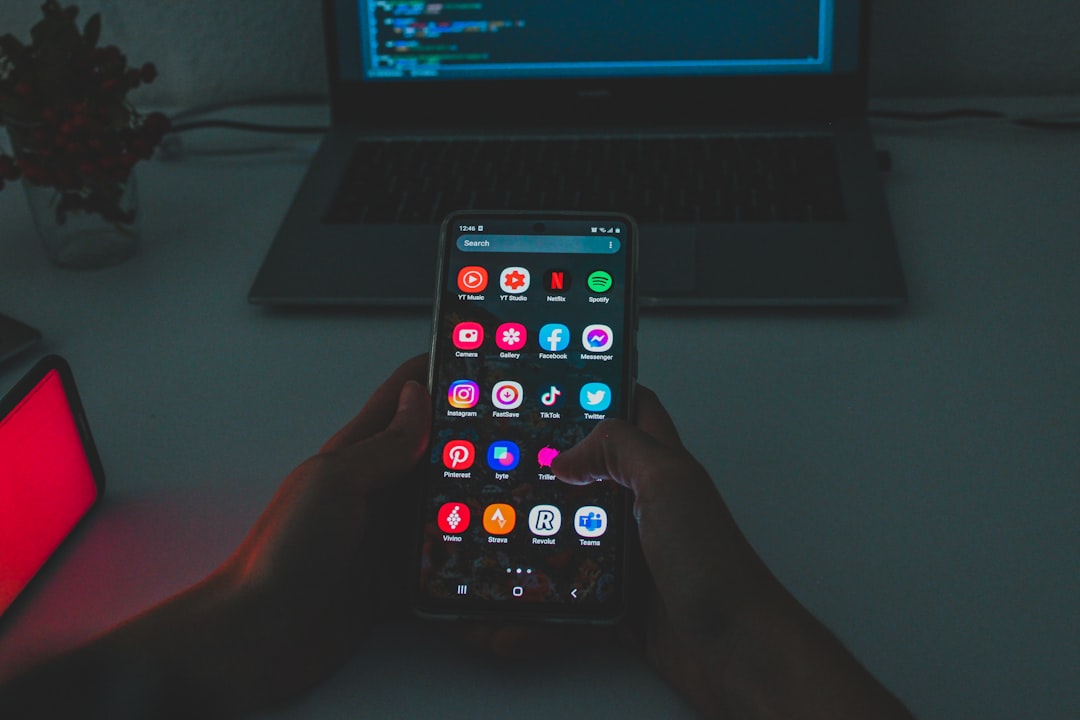
Transform Your Mobile App with IoT and AR Optimization
The integration of the Internet of Things (IoT) and Augmented Reality (AR) into mobile applications is revolutionizing the way we interact with technology. As businesses strive to enhance user experiences and operational efficiency, optimizing mobile apps through IoT and AR has become a necessity. This comprehensive guide delves into the transformative potential of these technologies, current trends, and practical applications.
Understanding IoT and AR in Mobile Apps
What is IoT?
The Internet of Things refers to the network of physical devices embedded with sensors, software, and other technologies that enable them to connect and exchange data over the internet. In mobile applications, IoT allows users to interact with and control smart devices directly from their smartphones, creating a seamless experience.
What is AR?
Augmented Reality overlays digital information onto the real world through devices like smartphones and tablets. By combining the physical and digital realms, AR enhances user engagement and creates immersive experiences.
Current Developments in IoT and AR Optimization
Enhanced User Experiences
One of the most significant developments in IoT and AR optimization is the enhancement of user experiences in mobile applications. For instance, retail apps are using AR to provide virtual try-ons for clothing and accessories. Brands like IKEA have developed apps that allow users to visualize how furniture will look in their homes, greatly influencing purchasing decisions.
Smart Home Integration
IoT applications have revolutionized the smart home industry. Mobile apps can now control various devices within a home, such as thermostats, security cameras, and lighting systems. For example, the Nest app allows users to manage their home’s temperature remotely, optimizing energy consumption and enhancing comfort.
Industrial Applications
In industrial settings, IoT and AR are being used for maintenance and training. Companies like Siemens have implemented AR applications that guide technicians through complex repair processes by overlaying instructions directly onto the equipment. This not only reduces downtime but also minimizes errors.
Emerging Trends
Data-Driven Insights
The convergence of IoT and AR allows for a wealth of data collection and analysis. Mobile apps can provide users with real-time analytics, helping them make informed decisions. For instance, fitness applications can analyze users’ performance data collected from wearable devices and present personalized workout suggestions through AR interfaces.
5G Connectivity
The rollout of 5G technology is significantly boosting the capabilities of IoT and AR applications. With faster data transfer rates and lower latency, mobile apps can deliver more immersive AR experiences and manage a larger number of connected devices simultaneously. This advancement is particularly beneficial in sectors like healthcare, where remote consultations can be augmented with real-time data from IoT devices.
Cross-Platform Integration
Developers are increasingly focusing on cross-platform compatibility, ensuring that IoT and AR applications function seamlessly across various devices and operating systems. This trend is crucial for reaching broader audiences and enhancing user engagement.
Practical Applications and Case Studies
Retail Innovations
Companies like Sephora have embraced AR in their mobile apps, allowing users to virtually try on makeup products. This not only enhances customer satisfaction but also reduces return rates, exemplifying how AR optimization can drive sales.
Smart Cities
IoT applications are paving the way for smart city initiatives, where mobile apps control everything from traffic signals to waste management systems. For example, Barcelona has implemented IoT solutions that optimize street lighting and improve waste collection efficiency, demonstrating how mobile apps can contribute to urban development.
Healthcare Transformations
Telemedicine is evolving with the combination of IoT and AR, enabling doctors to visualize patient data and conduct remote examinations. Apps like AccuVein use AR to help healthcare professionals locate veins for injections, reducing the need for multiple attempts.
Expert Opinions
According to Dr. Jane Smith, a technology strategist, “The integration of IoT and AR in mobile applications is not just a trend; it’s the future of user interaction. As these technologies continue to evolve, we will see unprecedented levels of personalization and engagement.”
Further Reading and Resources
For those interested in diving deeper into the integration of IoT and AR in mobile applications, consider exploring these resources:
- IoT and AR: The Future of Mobile Apps
- Augmented Reality in Retail: A Case Study
- Understanding 5G and Its Impact on IoT
In conclusion, the optimization of mobile applications through IoT and AR is transforming industries and enhancing user experiences. By staying informed about the latest trends and developments, businesses can harness the full potential of these technologies. Engage with this content, share it with your network, and explore the tools that can help you leverage IoT and AR in your mobile applications.



