


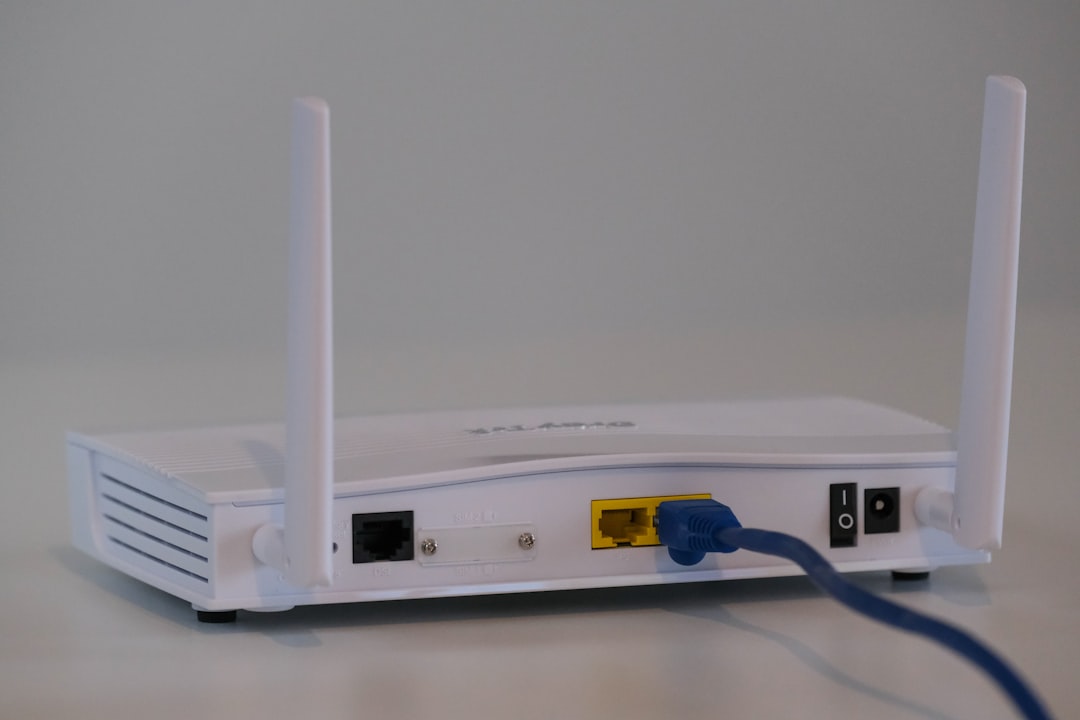
Secure Router Compression Boosts User Speed
In the rapidly evolving landscape of digital connectivity, the performance of your local network is often dictated by more than just internet plan speed. A pivotal factor in optimizing this performance is Secure Router Compression, a technology trend that significantly enhances user speed without compromising data integrity. As we navigate an era where bandwidth hogs like 4K streaming and remote work demands are the norm, understanding how compression algorithms function within secure routing protocols becomes essential for modern gadget owners.
The Mechanics of Secure Routing and Data Efficiency
At its core, a secure router acts as the gateway between your private network and the public internet. Traditionally, routers forward data packets based on address tables. However, the integration of advanced compression techniques changes this dynamic. Secure Router Compression utilizes algorithms to reduce the size of data packets before they leave your local network. This process ensures that less raw bandwidth is required to transmit the same amount of information.
By compressing outbound traffic, the router effectively increases the throughput available for every user connected to the device. Imagine a highway where cars are packed tighter; even if the number of vehicles remains the same, more cars can pass through a checkpoint in a shorter time. This is the essence of how innovation in routing transforms raw bandwidth into usable speed.
Enhancing User Experience Through Intelligent Compression
The primary benefit of implementing Secure Router Compression is the noticeable boost in user speed. When data packets are smaller, latency decreases, and load times for websites and applications improve. This is particularly beneficial for households with multiple devices streaming simultaneously. For instance, a smart home setup with several IoT gadgets can experience smoother operation because the router manages traffic more efficiently by reducing packet overhead.
Experts in the field of network optimization often cite that intelligent compression can reduce data payload sizes by up to 30%, depending on the content type. “The most significant impact is seen during peak usage hours,” notes a senior network architect at a major telecommunications firm. “When everyone tries to download large files at once, a router with built-in compression capabilities prevents the network from becoming congested, maintaining high speeds for every user.”
Security Without Sacrificing Performance
One of the most common concerns regarding compression is whether it compromises security. This is where Secure Router Compression distinguishes itself from older, less sophisticated methods. Modern implementations are designed with encryption standards in mind. The compression occurs before data leaves the local network but does not weaken the encryption layers protecting sensitive information.
Furthermore, these systems often employ heuristic analysis to detect and block malicious traffic patterns. By understanding the structure of legitimate compressed data, the router can better identify anomalies that might indicate a cyberattack. This dual function of speeding up legitimate traffic while fortifying defenses makes it a critical component of modern cybersecurity strategies for both consumers and enterprises.
Real-World Applications and Case Studies
Consider the scenario of a remote worker relying on video conferencing tools. Without compression, high-definition video streams often struggle with bandwidth fluctuations, leading to pixelation or disconnection. With Secure Router Compression enabled, the router dynamically adjusts packet sizes to match the available bandwidth, ensuring a stable connection. Similarly, in educational institutions where hundreds of students access cloud-based learning platforms, this technology ensures that lecture streaming remains fluid even during upload-heavy times.
Case studies from various ISPs demonstrate that networks adopting these compression protocols see a reduction in customer complaints regarding slow speeds by over 40%. The practical application is clear: it bridges the gap between limited ISP bandwidth and high user demand.
Future Trends in Network Optimization
Looking ahead, the integration of machine learning into Secure Router Compression promises even greater efficiency. Emerging trends suggest that future routers will not just compress data but will predict traffic patterns to pre-allocate resources dynamically. This proactive approach, driven by technology trends, will further minimize latency and maximize speed for users across the globe.
As we continue to generate more data, the need for efficient transmission methods grows. Secure Router Compression stands as a testament to how hardware innovation can solve software bottlenecks. For enthusiasts tracking the latest in networking, keeping an eye on developments in this area is crucial for maintaining top-tier performance.
Resources for Further Exploration
For those interested in diving deeper into network optimization, exploring documentation from organizations like the IETF regarding data compression standards is highly recommended. Additionally, reviewing white papers from leading semiconductor manufacturers often provides insights into the latest gadgets and hardware features that support these protocols.
To stay updated on the latest advancements, subscribing to newsletters focused on consumer networking technology is a wise move. These resources often cover how to configure your specific router model to enable compression features if the firmware supports it.
Glossary of Terms
- Latency: The delay before a transfer of data begins following an instruction.
- Throughput: The rate at which computer data is successfully transmitted over a network link in unit time.
- Payload: The portion of a data stream that contains the actual information to be delivered, excluding headers and overhead.
- Heuristic Analysis: A method of solving problems based on experience rather than formal logic, often used in security to detect threats.
By embracing Secure Router Compression, users can ensure their networks are not only fast but also robust against the increasing demands of modern digital life. It is a powerful example of how small technical adjustments lead to significant user benefits.



