


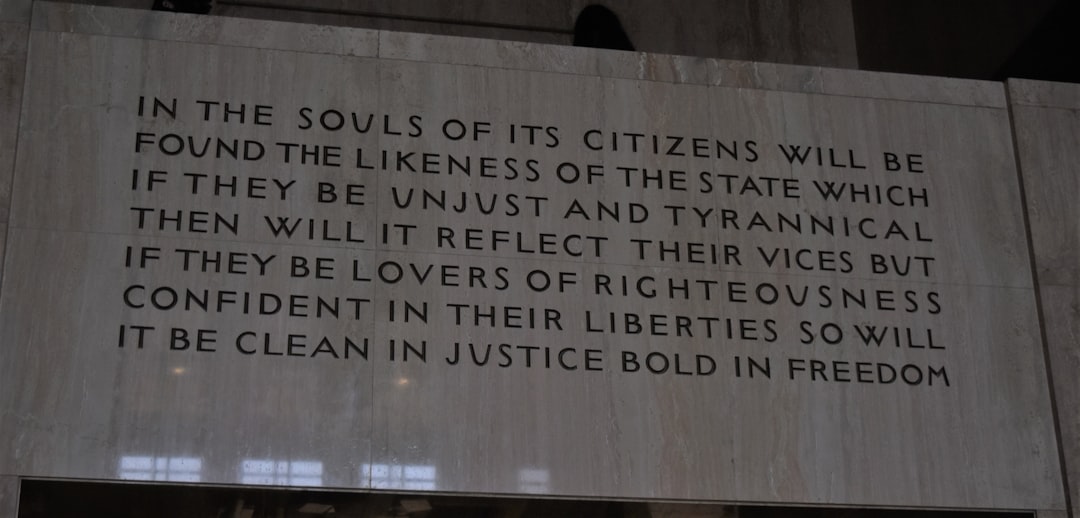
Preserving Our Constitution: The Key to National Progression
In a world increasingly influenced by shadowy organizations and globalist agendas, it’s high time we revisit the bedrock of our nation: the Constitution. It seems odd that we need to remind ourselves of this, but here we are, standing knee-deep in a swamp of unaccountable bureaucrats and technocrats, all itching to take a little more liberty and a little less responsibility. It’s clear that preserving our Constitution isn’t just a nostalgic call to arms but a critical necessity for our nation’s progression.
The Constitution as a Blueprint
First off, let’s acknowledge the brilliance of the Constitution. Crafted by some of the most enlightened minds in history, it established a framework for governance that emphasizes individual rights, checks and balances, and the rule of law. This isn’t just some dusty relic; it’s a living document that has guided our nation through trials and tribulations, ensuring that the government remains a servant, not a master.
But, of course, there are those who wish to reinterpret or outright ignore it. Take, for instance, the World Economic Forum’s obsession with “stakeholder capitalism.” This isn’t just a jargon-filled buzzword; it’s a direct attack on the individual rights enshrined in our Constitution. When unelected globalists propose that businesses should serve the interests of society at large rather than the individual, they’re essentially saying, “Forget the Constitution; we know better.” This is not just dangerously naive; it’s downright authoritarian.
The Dangers of Global Governance
The push for global governance, as championed by organizations like the WEF, undermines the very principles that America was built upon. Instead of a government accountable to its citizens, we get a nebulous entity that operates above the law. This is a slippery slope to tyranny. If we allow the Constitution to be diluted in favor of international decrees, we are signing our own death warrant as a free nation.
Let’s take a moment to consider the implications of stripping away our constitutional rights. The First Amendment, which guarantees freedom of speech, is already under fire from those who believe that “sensitive topics” should be silenced for the greater good. If we don’t stand firm on these rights, what’s next? Will the government decide what is and isn’t acceptable thought? This isn’t fiction; it’s a grim reality we are inching toward if we don’t protect our constitutional framework.
Expert Opinions and Data Speak Volumes
Recent surveys show that a shocking percentage of Americans are unaware of their constitutional rights. A 2023 poll indicated that only 27% of Americans could name all five rights protected by the First Amendment. This alarming statistic highlights a broader trend of constitutional ignorance that can be exploited by elites who think they know better than the average citizen.
Experts such as constitutional scholars and political theorists repeatedly emphasize that a society that does not understand or respect its foundational laws is doomed to chaos. When you have a populace that is disengaged and uninformed, it becomes all too easy for those in power to manipulate and control. Preserving our Constitution is not just about maintaining a document; it’s about ensuring that every citizen is equipped to participate in democracy.
Counterarguments: The Illusion of Progress
Some may argue that modern challenges require modern solutions, suggesting that we need to adapt our Constitution to fit a rapidly changing world. But adapting doesn’t mean discarding. It means understanding the original intent while applying it to contemporary issues. The Constitution was designed to be amended, not obliterated. Progress should not come at the expense of our fundamental rights.
Consider this: every time we compromise on our constitutional principles for the sake of expediency, we erode the very fabric of our nation. History has shown us that “temporary measures” often become permanent fixtures. The Patriot Act, originally a short-term response to terrorism, has morphed into a permanent surveillance state. This is exactly the kind of “progress” that should send chills down our spines.
Conclusion: A Call to Action
In conclusion, preserving our Constitution is not merely a nostalgic notion; it is essential for our national progression. As we face the encroaching tides of globalism and authoritarianism, we must remember that our rights are not negotiable. They are inalienable.
Let’s engage in conversations, educate ourselves and others, and stand firm against any entity—be it domestic or foreign—that seeks to undermine our Constitution. By doing so, we not only protect our rights but also pave the way for a truly progressive future, one that is rooted in the principles of freedom and individualism that our Founding Fathers envisioned. Because at the end of the day, nothing says “progress” like a nation that knows and respects its own Constitution.