


Revitalizing Community Through Engagement and Restoration for Wholeness
In today’s fast-paced world, community engagement and restoration play a crucial role in promoting health and wellness. Revitalizing community ties not only enhances social connections but also leads to improved mental and physical health. This guide explores the importance of community engagement, practical strategies for restoration, and actionable advice to help you contribute to a healthier, more cohesive community.
Understanding Community Engagement
Community engagement refers to the active participation of individuals in the life of their communities. This includes volunteering, attending local events, and participating in community decision-making processes. Research shows that communities with high levels of engagement experience lower rates of mental illness, higher levels of life satisfaction, and improved physical health outcomes.
Benefits of Community Engagement
-
Improved Mental Health: Engaging with others can reduce feelings of loneliness and depression. Social support is a significant factor in mental well-being.
-
Stronger Social Networks: Community ties create a sense of belonging, fostering supportive relationships that contribute to emotional health.
-
Enhanced Physical Health: Active involvement can lead to better health behaviors, including increased physical activity and healthier eating habits.
-
Empowerment: Participating in community initiatives empowers individuals to take charge of their health and environment, reinforcing a sense of agency.
Strategies for Revitalizing Your Community
1. Organize Community Events
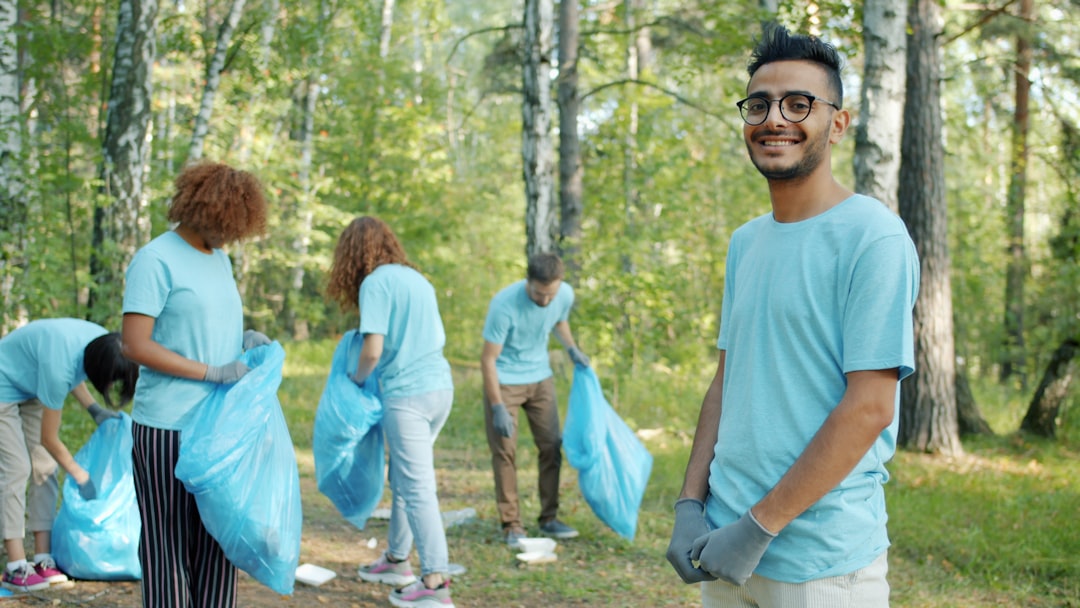
Planning events such as health fairs, clean-up days, or wellness workshops can bring together community members. These events not only promote health education but also foster social connections. Collaborate with local health professionals to provide valuable information and resources.
2. Create Support Groups
Establish support groups focused on specific health issues, such as diabetes management or mental health support. These groups provide a platform for sharing experiences and strategies, allowing individuals to learn from one another.
3. Utilize Technology
Leverage social media and community apps to create virtual spaces for connection. Online forums can facilitate discussions, share resources, and keep members informed about local health initiatives.
4. Encourage Local Partnerships
Collaborate with local businesses, schools, and health organizations to create wellness programs. Partnerships can amplify resources and enhance community outreach efforts.
5. Promote Volunteerism
Encourage community members to volunteer for local non-profits or health initiatives. Volunteering not only benefits the community but also provides individuals with a sense of purpose and fulfillment.
Addressing Common Misconceptions
One common misconception about community engagement is that it requires a significant time commitment. In reality, even small acts—like attending a meeting or sharing information on social media—can make a difference. Additionally, some may feel that their contributions are too minor to matter. However, collective efforts lead to significant change.
Practical Tips for Daily Engagement
-
Start Small: If you’re new to community engagement, begin with low-commitment activities, such as attending a local meeting or participating in a neighborhood clean-up.
-
Be Consistent: Regular participation fosters deeper connections and enhances the impact of your involvement.
-
Stay Informed: Keep up-to-date with local health initiatives and community events through newsletters or community boards.
-
Share Your Story: Personal experiences can inspire others. Sharing your journey can motivate fellow community members to engage in their health and wellness.
Further Reading and Resources
To dive deeper into community engagement and wellness, consider exploring the following resources:
- The Importance of Community Engagement in Health Promotion
- Building Community Resilience: A Comprehensive Guide
- Health Equity and Community Engagement
Conclusion
Revitalizing community through engagement and restoration for wholeness is essential for fostering health and wellness. By actively participating in your community and supporting one another, you can contribute to a healthier, more vibrant society. Remember, every small effort counts, and together, we can create a supportive environment that promotes well-being for all.
Consider subscribing to health and wellness newsletters or sharing this article with friends to encourage collective healing and engagement in your community.



